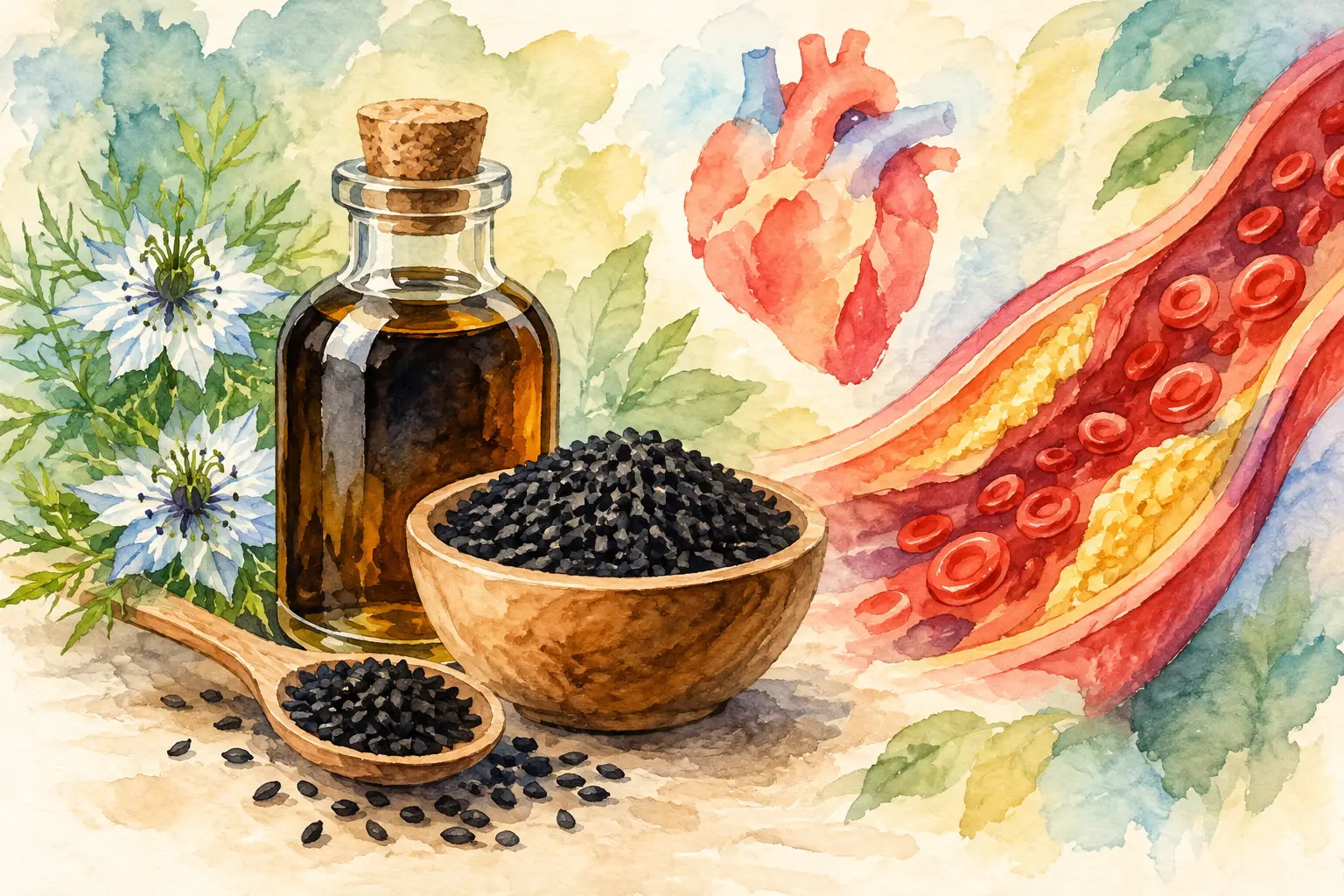
Black seed oil, pressed from the seeds of Nigella sativa, has a dark, peppery aroma and a long place in Middle Eastern pantries and personal-care traditions. This guide explains how to choose a quality oil, how to use it, and what to keep in mind for safe everyday use.
What Is Black Seed Oil?
Nigella sativa, often called black seed or black cumin, produces small dark seeds. Oil is pressed from them and used in cooking and in body-care rituals. Its flavour is strong, so a little goes a long way.
How to Choose a Quality Black Seed Oil
Start with the ingredient list. A good bottle names Nigella sativa seed oil and contains nothing else. Look for a batch or best-by date, dark glass packaging, and clear information about where the seeds were grown.
Freshness matters. Plant oils can oxidise over time, so store the bottle tightly closed in a cool, dark place. If the oil smells sharply stale or unlike its usual peppery character, do not keep using it.
For a deeper look at how plant oils differ, read our guide on pantry staples.
Everyday Ways to Enjoy Black Seed Oil
In the kitchen, a small spoonful can be drizzled over salads, yoghurt, or a finished bowl of grains or vegetables. Add it after cooking rather than frying with it, since heat changes its character.
In body care, black seed oil can be blended into a carrier oil for a warming massage or a nourishing hand ritual. Use a patch test first, and keep it away from the eyes.
Safety First
Black seed oil is a food and cosmetic ingredient, not a medicine. If you are pregnant or breastfeeding, take prescription medication, or manage a health condition, speak with a qualified healthcare professional before using it regularly. Stop use and seek advice if you notice irritation, an allergic reaction, or digestive discomfort.
Learn More About Our Approach
At PALINOVA, we care about where our botanicals come from and how they are handled. You can read more about us.