Description
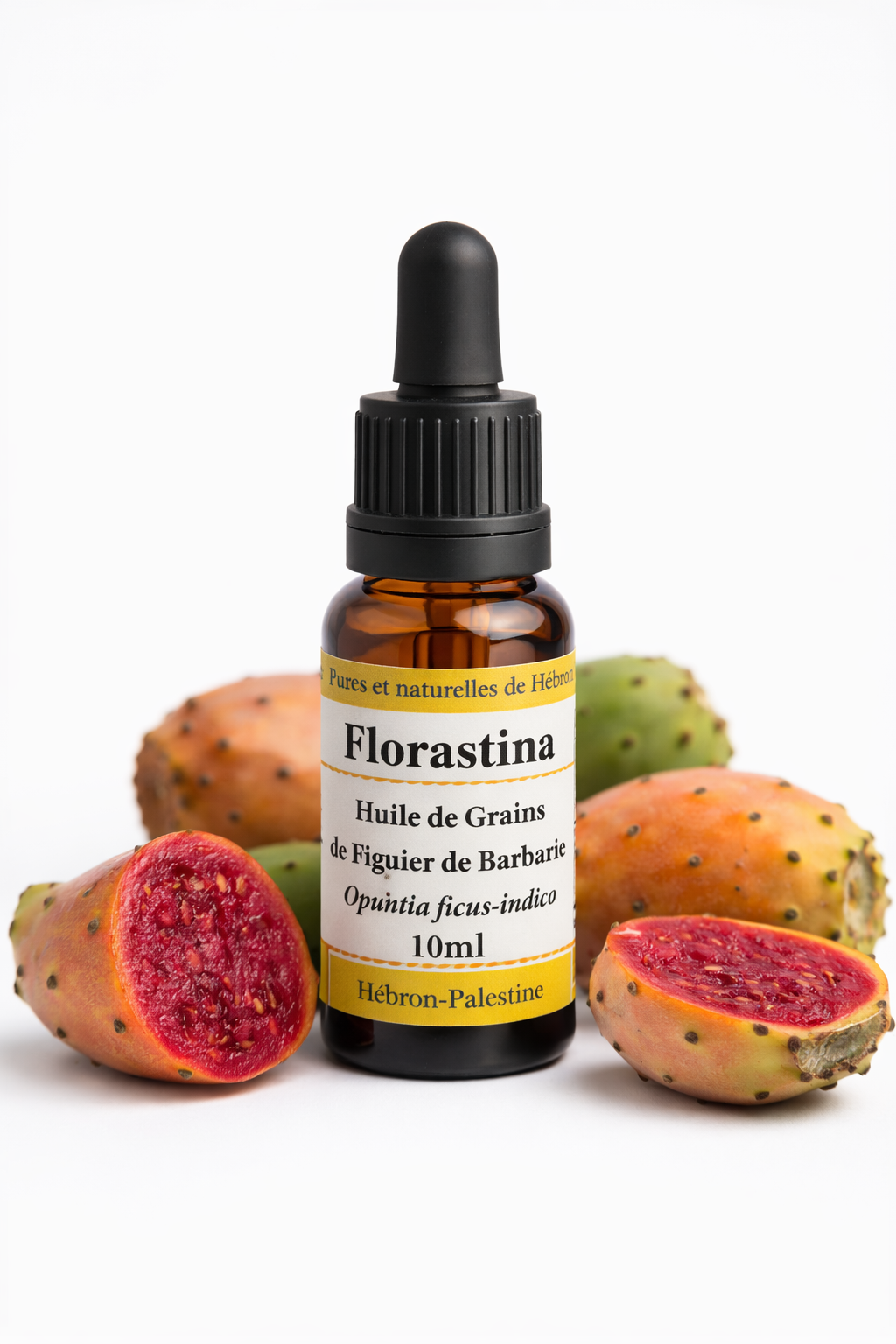
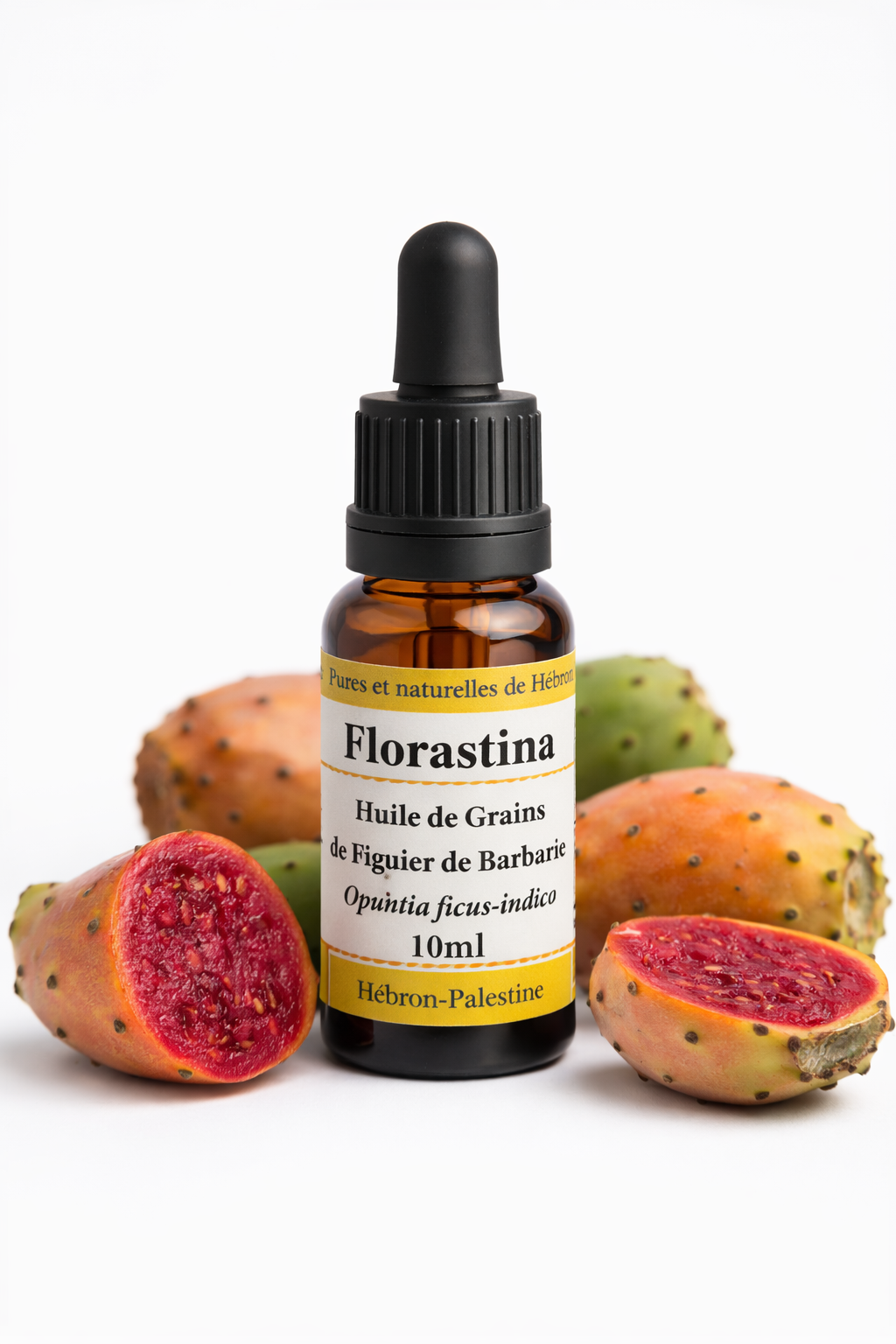
Barbary Fig seed oil from PALINOVA. It takes about 1,000 kg of fruit to make 1 kg of this precious oil.
Directions: use it on its own, mix it with essential oils or other vegetable oils, or blend it into a massage oil. Apply to the skin in the evening after a patch test.
Obtaining process: first cold pressing of the seeds. Botanical name: Opuntia ficus-indica. Quality: wildcrafted. Country of origin: Palestine.
Note: do a patch test before use (two drops inside the elbow, checked after at least 24 hours).
Florastina is a small artisanal distillery, created in 2015, that produces essential and vegetable oils from Palestinian plants.
Achillea Fragrantissima Essential Oil
Desert yarrow (Qaysoom) gives this Palestinian distillate a warm, earthy herbal scent with a sweet edge. It brings depth to botanical fragrance blends.
Botanical name: Achillea fragrantissima (Forssk.) Sch.Bip.
Common name: Desert Yarrow (Qaysoom)
Plant family: Asteraceae
Origin: Palestine
Extraction: Steam distillation of aromatic plant material.
Botanical and aromatic uses: Traditionally valued as an aromatic herb in Palestinian botanical heritage. The essential oil offers a warm, sweet, earthy herbal fragrance for suitable aromatic compositions. Use in professionally formulated body-care products requires product-specific safety assessment.
Aleppo Pine Needles Essential oil
Aleppo pine (Pinus halepensis Mill.) is an evergreen conifer of the Pinaceae family, native to the Mediterranean region, including Palestine. Its aromatic needles contain volatile compounds that are collected by steam distillation.
Plant part: Needles.
Oil type: Concentrated volatile essential oil, not a fixed carrier oil.
Extraction: Steam distillation.
Origin: Palestine.
Harvest and production: According to PALINOVA’s production information, needles are collected with care to minimise damage to the trees. An example production run required approximately 120 kg of needles, 20 hours of collection work and eight hours of distillation to obtain 200 mL of oil. This reflects the labour-intensive nature of needle oil production; yields may vary. The oil is distilled from needles rather than tapped pine resin, and no turpentine is intentionally added.
Aromatic profile: Strong initial aroma; fresh, green, evergreen, terpenic and dry-balsamic; top-to-middle perfumery note.
Blending: Pairs well with cedarwood, lavender, rosemary, neroli, bergamot and grapefruit oils. It adds a crisp woodland note to botanical perfumes and aromatic compositions.
Suggested uses: For home fragrance, follow the diffuser manufacturer’s instructions and use intermittently in a ventilated room. For scented body oils, use only in appropriately diluted formulations intended for skin contact, following the label. Never add undiluted oil directly to bathwater.
Research background: Laboratory studies have explored the chemical variation and antioxidant and antibacterial activity of Aleppo pine needle oils. These findings do not establish clinical benefits or demonstrate that this product treats disease. Chemical composition varies with origin, climate, harvest and processing.
Anis Seed Oil
Botanical name: Pimpinella anisum L.
Plant part: Dried seeds.
Extraction method: Mechanical cold pressing.
Oil type: Fixed seed oil with naturally occurring aromatic constituents.
Aroma: Sweet, warm and liquorice-like.
Chemical composition: Published research on anise seed oil identifies petroselinic, oleic and cis-vaccenic acids, and reports anethole in cold-pressed oil. Linoleic and palmitic acid derivatives have also been reported in cold-pressed samples. Research on distilled anise essential oil additionally reports trans-anethole, estragole, p-anisaldehyde and gamma-himachalene; their presence in this particular cold-pressed product has not been confirmed. Composition varies with seed origin and processing. Batch-specific concentrations require laboratory analysis.
Suggested uses: Suitable for appropriately formulated oil-based cosmetic blends and diluted aromatic massage preparations, subject to the product label.
Barbary Fig
Pressed prickly pear seeds yield a conditioning oil for body care. It can be used on its own or as the base of a massage blend.
Cypress Essential Oil
Fresh cypress growth gives this distilled oil its dry, woody conifer note. It pairs naturally with other forest aromas in perfume blends.
Eucalyptus Camaldulensis Essential oil
Botanical profile
Eucalyptus camaldulensis Dehnh., commonly called river red gum, belongs to the Myrtaceae family. The Palestinian leaf oil is steam distilled and has a fresh, green and woody aromatic character. Chemical composition varies with origin, growing conditions, harvest and distillation.
Chemical profile in published Palestinian research
A 2023 GC-MS study of Palestinian leaf essential oil reported p-cymene (38.64%), aromadendrene (29.65%), 1,8-cineole (6.45%), cuminaldehyde (5.22%), phellandral (4.28%) and terpinen-4-ol (3.04%). These are published sample values, not a certificate of analysis for this product or its current batch. This species should not automatically be described as cineole-rich.
How to use
- Diffusion: Follow your diffuser instructions, start with the lowest recommended amount, use intermittently and ventilate the room. Avoid direct inhalation and hot-water steam inhalation.
- Adult massage: If suitable for your skin, dilute to a conservative starting concentration of 0.5–1% in a carrier oil such as jojoba or almond oil (0.05–0.10 mL essential oil per 10 mL finished blend). Follow any lower product-specific safety limit and patch test the diluted blend.
- Bath ritual: Use only a properly formulated bath product with an appropriate dispersant. Never add neat essential oil directly to bathwater.
- Home care: Use a compatible formulated fragrance product; water or vinegar alone will not evenly disperse essential oil. Do not rely on this oil for surface disinfection.
Laboratory antioxidant and antimicrobial research is not evidence that the retail oil treats infections, protects human skin against oxidative damage, improves concentration or relieves medical conditions.
Extra Virgin Olive Oil
Palestinian olives are cold-pressed to produce this fruity extra virgin olive oil. Its fresh flavour is especially noticeable in dressings or as a finishing oil.
Fennel Seeds Oil
Botanical name: Foeniculum vulgare Mill.
Plant part: Seeds.
Extraction method: Mechanical cold pressing.
Origin: Palestine (made in Palestine).
Oil type: Fixed seed oil with naturally occurring essential oil constituents.
Aroma: Sweet, warm and liquorice-like.
Chemical composition: Published research on fennel seed oils identifies petroselinic acid as a predominant fatty acid, alongside oleic acid. Anethole has been identified in cold-pressed fennel oil. Methyl linoleate has also been reported in research on cold-pressed seed oils. Studies of distilled fennel essential oil additionally report constituents such as fenchone, limonene and estragole; their presence in this particular cold-pressed product has not been confirmed. Composition varies with seed origin and processing. Batch-specific concentrations require laboratory analysis.
Suggested uses: Adds a gentle fennel aroma to appropriately formulated oil-based cosmetic blends and diluted aromatic massage preparations, subject to the product label.
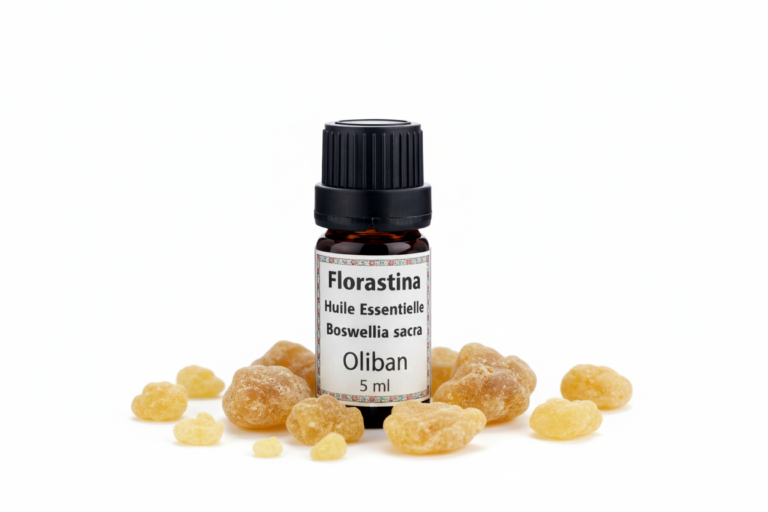
Frankincense Essential Oil
Steam-distilled Boswellia sacra resin gives this frankincense oil its distinctive resinous scent. Use its woody character as a foundation for fragrance blends.
Geranium Essential oil (10 ml)
Steam-distilled Palestinian rose geranium has a sweet floral scent with a green edge. It lends a rose-like note to botanical perfumes and scented body oils.
Helichrysum Italicum Essential Oil
The flowering tops of Helichrysum italicum yield a warm, herbaceous oil with honeyed and earthy notes. Its distinctive scent gives depth to perfume blends.
Inula Viscosa Essential Oil
This Mediterranean perennial, also called Dittrichia viscosa, yields a warm, lightly floral and herbaceous oil. Its aroma complements lavender or rose in fragrance blends.
Lemon Verbena (5 ml)
Lemon verbena leaves yield a bright, citrus-scented distillate. Its lemon note lifts green and herbal perfume blends.
Palestinian White Zuta Essential Oil – Micromeria fruticosa
Palestinian White Zuta has a fresh, green, mint-like aroma. Its steam-distilled oil brings this herbal character to home fragrance blends.
Nigella Sativa Oil (Black Seed Oil)
Cold-pressed black cumin seeds yield a conditioning oil for dry-feeling skin and hair. Linoleic and oleic acids are among the fatty acids reported in black cumin oil.
Origanum syriacum Essential Oil
The aromatic herb used in Palestinian za’atar gives this essential oil a warm, spicy herbal character. It adds a pronounced oregano note to fragrance blends.
Pistacia Palaestina
Cold pressing Palestinian terebinth seeds produces an emollient oil used in massage and skin care. It helps dry-feeling skin feel softer.
Pistacia Palaestina Essential Oil
Distilling galls, leaves, seeds and stems of the Palestinian terebinth produces a fresh, green oil with a dry balsamic note. Its evergreen scent suits woody blends.
Salvia Fruticosa (Sage)
Palestinian sage is a Mediterranean aromatic botanical whose steam-distilled essential oil offers a distinctive herbal fragrance.
Botanical name: Salvia fruticosa
Common name: Greek sage / East Mediterranean sage
Plant family: Lamiaceae
Origin: Palestine
Plant parts distilled: Leaves and flowers
Extraction: Steam distillation
Size: 5 ml
Botanical and aromatic uses: A concentrated aromatic ingredient for suitably designed fragrance compositions. Any skin-contact application requires product-specific safety assessment.
Sumac Seed Oil (10 ml)
Cold-pressed sumac seed oil has a light texture and a subtly earthy, nutty aroma. It works as a conditioning oil for skin care blends.
Palestinian Wild Thyme Essential Oil – 5 ml
Palestinian wild thyme, Thymbra capitata, gives this oil bold, spicy and earthy notes. Its strong herbal character suits Mediterranean fragrance blends.
Varthemia Iphionoides Essential Oil
Palestinian Varthemia has a strong herbaceous scent with camphor and wood notes. In home fragrance blends it pairs with rosemary, thyme or cedarwood.
Achillea Fragrantissima Essential Oil
Keep this concentrated essential oil out of children’s reach. Do not swallow or apply it undiluted to skin. Avoid eyes and follow the product label for dilution and intended use.
Aleppo Pine Needles Essential oil
Concentrated essential oil: For external aromatic use only, in accordance with the product label. Do not swallow, apply undiluted to skin or use on damaged skin, eyes or mucous membranes.
Skin contact: Use only at a dilution appropriate for the intended formulation and its safety assessment. As a precaution, test the properly diluted preparation on a small area of intact skin before wider application. Discontinue use if redness, itching or irritation occurs. A patch test does not guarantee absence of allergy.
Diffusion: Follow the device instructions, use intermittently and ventilate the room. Avoid direct concentrated inhalation and steam inhalation over hot water. Stop if coughing, headache or breathing discomfort occurs. Keep children and pets away from concentrated oil and avoid exposing pets to diffusion.
Special precautions: Keep out of reach of children. Seek professional advice before use during pregnancy or breastfeeding, or if you have asthma, epilepsy, allergies or other relevant medical conditions. Do not use on children without appropriate professional guidance.
Accidental exposure: If oil enters the eyes, rinse immediately with clean lukewarm running water for 15 minutes and seek poison centre or medical advice. If swallowed, contact a poison centre or medical professional promptly; do not induce vomiting. Seek emergency help for breathing difficulty.
Storage: Keep in its original tightly closed bottle, away from heat, direct sunlight and ignition sources. Exposure to air and light can degrade essential oils and increase the risk of skin sensitisation.
Not intended to diagnose, prevent, treat or cure disease. Follow the actual product label and applicable safety instructions.
Anis Seed Oil
Follow the product label for intended use. For external use only. Dilute appropriately before skin application and perform a patch test. Avoid eyes and mucous membranes; discontinue use if irritation develops. Keep out of reach of children. Do not use in conventional essential oil diffusers, as this is a fixed seed oil. Keep the bottle tightly closed in a cool, dry place away from heat and direct sunlight.
Barbary Fig
Follow the label for intended use. Avoid contact with the eyes and discontinue skin use if irritation develops. Keep the bottle tightly closed, away from heat and light.
Cypress Essential Oil
Keep this concentrated essential oil out of children’s reach. Do not swallow or apply it undiluted to skin. Avoid eyes and follow the product label for dilution and intended use.
Eucalyptus Camaldulensis Essential oil
This concentrated essential oil is intended for aromatic use and appropriately diluted external use only.
- Dilution and skin tolerance: Never apply undiluted. Follow the label, patch test the diluted blend on intact skin, and discontinue use if irritation occurs. Avoid eyes, mucous membranes, broken skin and irritated skin.
- Sensitive groups: As a conservative product precaution, do not use on children under 10 or during pregnancy or breastfeeding without qualified professional guidance. Avoid use around the faces of young children. People with asthma, epilepsy, fragrance sensitivities, other medical conditions or regular medications should consult a qualified healthcare professional before use.
- Diffusion: Ventilate well, avoid prolonged exposure and never diffuse around infants. Keep pets away from concentrated oil and allow them to leave the room; consult a veterinarian before use around animals.
- External use only: Do not swallow. Keep out of reach of children and pets. If swallowed, seek urgent poison-centre or medical advice; do not induce vomiting.
- Storage: Keep tightly closed, upright and away from heat, sunlight and ignition sources.
Extra Virgin Olive Oil
For culinary use. Keep the bottle tightly closed and away from light and heat. Follow the best-before date on the label.
Fennel Seeds Oil
Follow the bottle label for intended use. For external use only. Dilute appropriately before skin application and perform a patch test. Avoid eyes and mucous membranes; discontinue use if irritation develops. Keep out of reach of children. Do not use in conventional essential oil diffusers, as this is a fixed seed oil. Close the bottle after each use and store in a cool, dry place away from heat and direct sunlight.
Frankincense Essential Oil
Keep this concentrated essential oil out of children’s reach. Do not swallow or apply it undiluted to skin. Avoid eyes and follow the product label for dilution and intended use.
Geranium Essential oil (10 ml)
Keep this concentrated essential oil out of children’s reach. Do not swallow or apply it undiluted to skin. Avoid eyes and follow the product label for dilution and intended use.
Helichrysum Italicum Essential Oil
Keep this concentrated essential oil out of children’s reach. Do not swallow or apply it undiluted to skin. Avoid eyes and follow the product label for dilution and intended use.
Inula Viscosa Essential Oil
Keep this concentrated essential oil out of children’s reach. Do not swallow or apply it undiluted to skin. Avoid eyes and follow the product label for dilution and intended use.
Lemon Verbena (5 ml)
Keep this concentrated essential oil out of children’s reach. Do not swallow or apply it undiluted to skin. Avoid eyes and follow the product label for dilution and intended use.
Palestinian White Zuta Essential Oil – Micromeria fruticosa
Keep this concentrated essential oil out of children’s reach. Do not swallow or apply it undiluted to skin. Avoid eyes and follow the product label for dilution and intended use.
Nigella Sativa Oil (Black Seed Oil)
Follow the label for intended use. Avoid contact with the eyes and discontinue skin use if irritation develops. Keep the bottle tightly closed, away from heat and light. Black seed oil can cause allergic contact dermatitis. Avoid it if you have reacted to it before.
Origanum syriacum Essential Oil
Keep this concentrated essential oil out of children’s reach. Do not swallow or apply it undiluted to skin. Avoid eyes and follow the product label for dilution and intended use.
Pistacia Palaestina
Follow the label for intended use. Avoid contact with the eyes and discontinue skin use if irritation develops. Keep the bottle tightly closed, away from heat and light.
Pistacia Palaestina Essential Oil
Keep this concentrated essential oil out of children’s reach. Do not swallow or apply it undiluted to skin. Avoid eyes and follow the product label for dilution and intended use.
Salvia Fruticosa (Sage)
Keep this concentrated essential oil out of children’s reach. Do not swallow or apply it undiluted to skin. Avoid eyes and follow the product label for dilution and intended use.
Sumac Seed Oil (10 ml)
Follow the label for intended use. Avoid contact with the eyes and discontinue skin use if irritation develops. Keep the bottle tightly closed, away from heat and light.
Palestinian Wild Thyme Essential Oil – 5 ml
Keep this concentrated essential oil out of children’s reach. Do not swallow or apply it undiluted to skin. Avoid eyes and follow the product label for dilution and intended use.
Varthemia Iphionoides Essential Oil
Keep this concentrated essential oil out of children’s reach. Do not swallow or apply it undiluted to skin. Avoid eyes and follow the product label for dilution and intended use.
Eucalyptus Camaldulensis Essential oil
These references describe research on the species and general essential-oil safety. They do not establish clinical efficacy or certify the composition of a Palinova batch.




Reviews
There are no reviews yet.