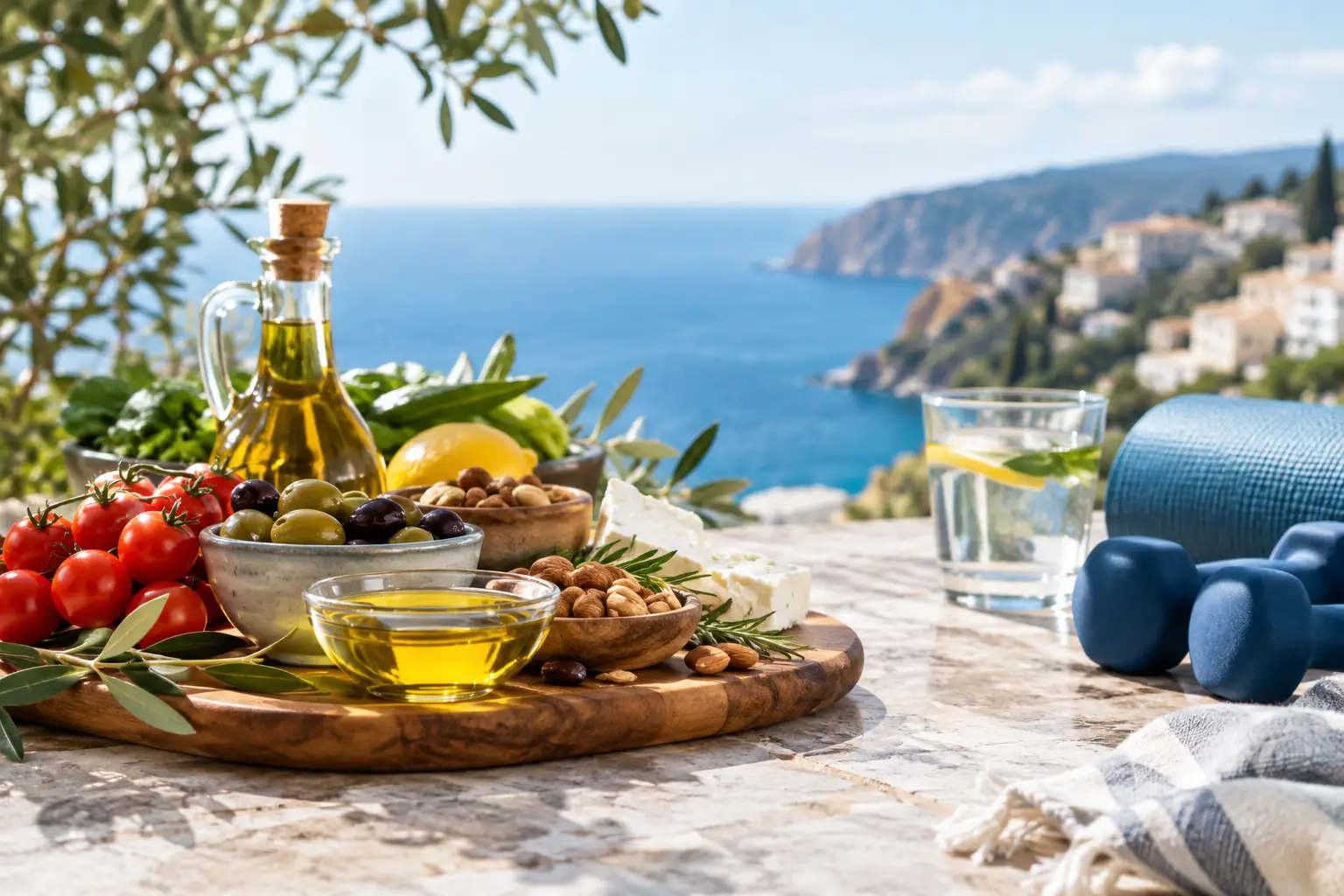
A bottle of oil is no longer just a bottle of oil. For discerning wellness shoppers, its aroma, extraction method, origin, and the hands that cultivated the plant all matter. That shift is shaping Mediterranean wellness market trends, where regional botanicals are moving from niche discoveries to considered staples in skin care, home rituals, and pantry traditions.
The appeal is not a passing fascination with sun-warmed landscapes or pretty labels. Mediterranean wellness carries a practical richness: olive oil pressed from longstanding groves, aromatic herbs gathered in dry hillsides, resinous frankincense, black seed, sumac, and floral distillations with generations of cultural knowledge behind them. The strongest brands are pairing that heritage with clear sourcing, thoughtful formulations, and an honest understanding of what nature can and cannot do.
Mediterranean Wellness Market Trends Are Becoming More Specific
The broad language of „natural wellness“ is losing ground to specificity. People want to know which plant they are using, where it was grown, how it was processed, and why it belongs in a ritual. A generic botanical blend may still have a place, but it is less compelling than a formula centered on a recognizable ingredient with a clear story and purpose.
This has created greater interest in single-origin and region-specific materials. Palestinian frankincense, Kaktusfeigenkernöl, Origanum syriacum, and cold-pressed extra-virgin olive oil each offer more than a familiar ingredient name. Their character is shaped by soil, climate, harvesting traditions, and careful handling after harvest. Provenance has become a mark of quality, especially for customers who have learned that the same botanical can vary substantially by growing conditions and extraction method.
For buyers, this means reading beyond the front label. „Pure“ should lead to useful details: the botanical name, the plant part used, whether an oil is cold pressed or steam distilled, and the care taken to protect freshness. For brands, it means that vague claims are no longer enough. Traceability must be felt in the product experience, not merely printed as a promise.
From Ingredient Lists to Botanical Rituals
Wellness shopping is becoming more ritual-led. Customers are not necessarily looking for a complicated ten-step routine. They want small practices that make daily care feel intentional: massaging a few drops of plant oil into damp skin, diffusing a grounding aroma at the end of the day, preparing za’atar with olive oil, or adding sumac to a bright, nourishing meal.
This is one reason Mediterranean ingredients fit so naturally into modern routines. They cross categories without losing their identity. Olive oil can belong in the kitchen and in body care. Black seed oil may be valued as a traditional pantry and personal-care ingredient. Frankincense can bring a deep, resinous note to an aromatherapy ritual while also carrying a long cultural history of ceremony and reflection.
The trade-off is that ritual should not become a substitute for discernment. Essential oils are concentrated materials, not casual fragrance accessories. They should be diluted appropriately for topical use, kept away from eyes and sensitive areas, and used with special care around children, pregnancy, pets, or known sensitivities. A beautiful routine is better when it is informed as well as sensory.
The Return of the Home Apothecary
The home apothecary is returning in a modern form. It is less about filling a cabinet with dozens of products and more about choosing a few versatile, well-made ingredients. A facial oil suited to dry-feeling skin, an aromatic oil for a diffuser, a culinary herb blend, and a high-quality olive oil can create a useful foundation.
This preference rewards products that earn their place. Consumers increasingly question excess packaging, duplicate formulas, and trend-driven launches that offer little distinction. They are more willing to invest in a precious oil or carefully sourced essential oil when they understand how to use it and why its quality costs more.
Food, Beauty, and Aromatherapy Are Meeting at the Same Table
One of the clearest Mediterranean wellness market trends is the softening boundary between pantry and self-care. The same values guide both purchases: freshness, minimal processing, meaningful origin, and pleasure in daily use. A person who looks for a simple facial oil may also care about the harvest of their olive oil or the integrity of their spice blend.
That does not mean edible products and cosmetic products should be treated interchangeably. A culinary oil is formulated and packaged for food use, while a skin oil should be used according to its own directions. Still, the shared philosophy matters. Mediterranean traditions have long understood that well-being is shaped by ordinary rituals of nourishment, scent, rest, touch, and gathering.
For US consumers, this is also changing the definition of premium. Premium no longer has to mean clinical-looking packaging or an exotic ingredient stripped of context. It can mean a vivid jar of sumac, an herb blend with a clear regional identity, or a bottle of oil whose texture and aroma reveal careful production. Quality becomes something experienced through the senses as much as through a marketing claim.
Heritage Is Becoming a Standard for Authenticity
Cultural authenticity is a growing expectation, but it requires care. Consumers want to support products with real roots, not borrowed aesthetics. The difference lies in whether the people and places behind an ingredient are visible, respected, and meaningfully included in the value created.
For Palestinian botanicals, this matters deeply. Wildcrafted herbs, olive groves, and traditional knowledge represent living agricultural practices, not decorative inspiration. When sourcing is done thoughtfully, purchasing these products can help sustain rural livelihoods and preserve the knowledge that gives an ingredient its distinctive character.
PALINOVA’s approach reflects this opportunity: presenting Palestinian nature as a source of potent, beautifully considered wellness goods while honoring the farmers and communities connected to the land. This kind of mission-led commerce has staying power because it joins personal care with a more intentional form of consumption.
Still, heritage should not be romanticized into vagueness. Responsible brands need to explain how they source, what they test, and where practical limits apply. Wildcrafted does not automatically mean better, and natural does not automatically mean safe for every person. The most credible storytelling makes room for both reverence and rigor.
The Demand for Proof Will Keep Rising
As interest in botanical wellness grows, customers are becoming more selective about evidence. They may appreciate traditional use, but they also want a realistic explanation of benefits. In skin care, that can mean clear language about softness, moisture support, and the appearance of supple skin rather than sweeping promises. In aromatherapy, it means describing a scent experience without presenting a diffuser blend as medical treatment.
Testing, stability, freshness, and packaging matter here. Delicate oils can degrade with heat, light, and air exposure. Dark glass, appropriate storage guidance, batch awareness, and transparent ingredient lists signal respect for both the plant material and the person buying it. These details are less glamorous than a sunlit field, but they are often what turn a lovely product into a reliable one.
The same scrutiny will shape product development. Shoppers are likely to favor concise formulas, clear essential-oil dilution practices, and botanical ingredients selected for a specific sensory or skin-care role. More is not always better. A formula with fewer, purposeful ingredients can feel more luxurious than one crowded with fashionable extracts.
What This Means for the Thoughtful Shopper
The Mediterranean wellness category is becoming richer, not noisier, for those willing to choose with care. Look for a botanical’s full identity, not just its trend value. Consider how it fits into your actual habits. A precious fig seed oil may be ideal for a focused evening skin ritual, while a bright za’atar blend may bring more daily joy through shared meals.
Ask whether the product offers enough information to deserve your trust. Does the brand identify the plant and its origin? Are the instructions practical? Does the language honor tradition without making impossible promises? Those questions help separate meaningful botanical care from marketing that simply borrows the Mediterranean mood.
The future of this market belongs to ingredients with a true sense of place. Let your wellness shelf hold things that invite you to pause: the green, peppery scent of olive oil, the mineral brightness of sumac, the ancient resin warmth of frankincense. Chosen well, these are not fleeting luxuries. They are small, grounding reminders that care can begin with what the earth has patiently grown.