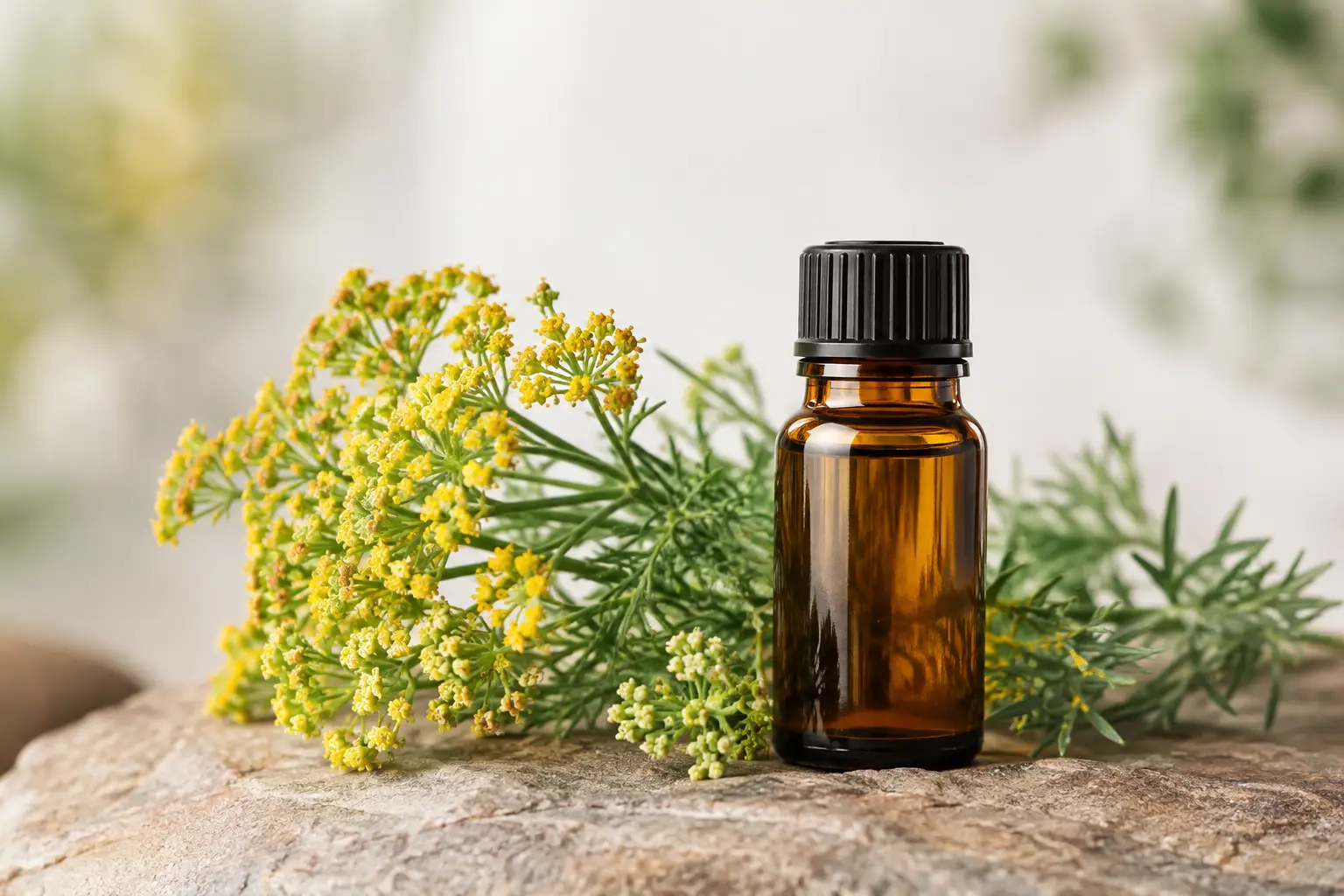
A sunlit hillside can hold an entire aromatic tradition. Varthemia iphionoides (chiliadenus) essential oil: from wild plant to distilled oil begins in the dry, rocky landscapes where this small Mediterranean shrub has learned to thrive with little water and great intensity. Its fragrance carries that character: green, herbaceous, warm, and quietly bright – an expression of resilient Palestinian terrain held in a few concentrated drops.
For those drawn to essential oils with a true sense of place, Varthemia offers more than a pleasant aroma. It represents the care behind responsible wildcrafting, the patience of distillation, and the botanical knowledge that turns a humble wild plant into a meaningful part of a daily ritual.
Meet the Wild Plant Behind the Oil
Varthemia iphionoides is a fragrant flowering plant in the daisy family, traditionally associated with the eastern Mediterranean. You may also encounter it under the botanical name Chiliadenus iphionoides. Plant naming can shift as botanists refine classifications, but both names are commonly used for the same aromatic plant in herb and essential-oil contexts.
The plant grows as a compact, woody shrub with narrow, aromatic leaves and small yellow flowers. It favors sun, stones, and lean soils – conditions that can encourage plants to produce strongly scented protective compounds. That is one reason wild Mediterranean botanicals are so prized in perfumery, herbal tradition, and aromatherapy. Their aromas are not manufactured in a lab or softened by abundant irrigation. They are shaped slowly by weather, elevation, soil, and season.
In Palestinian landscapes, wild aromatic plants have long belonged to everyday life. They are gathered with respect, steeped in home preparations, appreciated for their scent, and recognized as part of a living relationship with the land. Varthemia belongs to this wider heritage of fragrant, resilient flora.
From Wild Plant to Harvest
The quality of an essential oil is decided well before the still is heated. It starts with accurate plant identification, a clean growing environment, and an approach to harvesting that protects the plant’s ability to return year after year.
Wildcrafting is not simply collecting what nature provides. Done well, it is a skilled practice. Harvesters choose appropriate areas, avoid stressed or sparse populations, and take only a measured portion of the aerial material. Leaves, tender stems, and flowering tops may be gathered depending on the season and the aromatic profile desired. Harvesting at the wrong time can mean a flatter scent or lower yield. Harvesting too aggressively can compromise the next season’s growth.
This is where provenance matters. An oil labeled with a plant name alone tells only part of the story. Knowing whether the material was cultivated or wild-harvested, which region it came from, and how it was handled helps reveal its real character. For a plant as place-specific as Varthemia, those details are not romantic extras. They are central to quality.
Freshly harvested material is usually handled quickly and kept protected from excessive heat and moisture. Depending on the distiller’s method and timing, the plant may be distilled fresh or allowed a brief, carefully managed period of drying. Fresh material can preserve a lively green quality, while lightly dried material can sometimes make distillation more practical. There is no universal winner. The best choice depends on the plant’s condition, the climate, and the aromatic outcome the producer seeks.
How Varthemia Iphionoides Essential Oil Is Distilled
Destilación al vapor is the classic method for transforming aromatic plant material into essential oil. The harvested Varthemia is placed in a still, where steam moves through the plant matter and carries volatile aromatic compounds upward. As the vapor cools, it condenses into liquid. The essential oil naturally separates from the aromatic water, or hydrosol, and is collected.
The process sounds simple, but good distillation is an exercise in restraint. Steam that is too forceful, temperatures that are poorly controlled, or a distillation run that is cut too short can alter the final aroma. A slow, attentive run gives the distiller time to capture the plant’s fuller aromatic range without pushing the material beyond its best expression.
Yield is another part of the story. Essential oils are concentrated by nature, and some plants give only a modest amount of oil relative to the quantity of botanical material used. This helps explain why a pure, carefully distilled oil can feel like a small luxury. Inside a single bottle are many harvest hours, a significant volume of plant material, water, energy, and practiced skill.
After distillation, the oil should rest, settle, and be stored away from heat and direct light. Proper bottling matters too. Dark glass helps protect delicate aromatic constituents from light exposure, preserving the oil’s scent and integrity over time.
The Aroma: Green, Golden, and Grounding
Varthemia essential oil is often appreciated for an aroma that feels distinctly Mediterranean. Expect an herbaceous opening with green, slightly camphoraceous facets, followed by a warm, dry, floral-hay character. Individual batches can differ. Wild plants are not standardized ingredients, and that natural variation is part of their beauty.
If you enjoy Palestinian helichrysum, wild thyme, pine, or other sun-grown aromatics, Varthemia may feel immediately familiar while still offering its own voice. It is not a sugary floral oil, nor is it a sharp culinary herb oil. Its appeal lies in its textured, earthy complexity.
In a diffuser, Varthemia can create a clear, restorative atmosphere for slow mornings, focused work, or an evening wind-down. Its dry herbal tone pairs especially well with frankincense for depth, sweet orange for gentle brightness, or lavender for a softer, more comforting aromatic profile. Begin with a light hand. A few drops are often enough to let a distinctive wild oil speak clearly.
Thoughtful Ways to Use Varthemia Oil
Essential oils are concentrated materials, not casual fragrance accessories. Used with care, Varthemia can become a beautiful sensory element in personal rituals.
For room diffusion, add a few drops to water according to your diffuser’s instructions and allow the scent to fill the space gradually. For a simple inhalation ritual, place one drop on a tissue, hold it at a comfortable distance, and breathe in gently. This approach is especially helpful when you want to experience the oil’s natural profile before blending it with others.
For body care, always dilute the essential oil in a carrier oil before applying it to skin. A low dilution is a thoughtful place to begin, particularly for sensitive skin or first-time use. Try adding one or two drops to a tablespoon of jojoba, sweet almond, or another skin-compatible plant oil for a personal massage blend. Because every oil and every person is different, patch testing is wise.
Varthemia can also lend an unexpected botanical layer to bath and shower rituals, but never add undiluted essential oil directly to bathwater. First disperse it in an appropriate carrier such as a body oil or unscented bath base. Avoid use around the eyes, on broken skin, and on children without guidance from a qualified professional.
Purity Is More Than a Label
Una pure essential oil should be exactly what its label says it is: the distilled aromatic oil from the named plant, without synthetic fragrance, unnecessary fillers, or vague ingredient language. Yet purity also includes the choices made before bottling. The integrity of harvest practices, traceable sourcing, clean distillation equipment, and careful storage all shape the oil you eventually bring into your home.
This is particularly meaningful with regionally rooted plants. Choosing a responsibly sourced Palestinian botanical can support more than your self-care shelf. It can help sustain rural knowledge, local agricultural work, and the value of native plants that deserve recognition beyond their place of origin.
At PALINOVA, that connection matters. From our soil, by our toil, a botanical oil is not only selected for its aroma or beauty benefits. It is chosen for the living story held within it: the landscape, the hands that gather it, and the heritage that keeps its use alive.
A Few Sensible Safety Notes
Natural does not automatically mean suitable for every person or every use. Keep Varthemia essential oil out of reach of children and pets, and do not ingest it unless directed by a qualified healthcare professional with essential-oil expertise. If you are pregnant, nursing, managing a medical condition, or taking medication, seek personalized advice before use.
Store the bottle tightly closed in a cool, dark place. If the aroma changes dramatically or the oil becomes unusually thick or cloudy, it may be time to replace it. Fresh, well-kept oils offer the clearest aromatic experience.
The next time you uncap Varthemia oil, take a moment before blending or diffusing. Notice its dry green lift, its sun-warmed depth, and the quiet evidence of a wild plant made precious through patient care. That pause is part of the ritual – a small way to bring the Spirit of Resilience in Every Drop into your own space.