From skin-repair research to antioxidant and anti-inflammatory activity, discover why the Palestinian plant Tayyoun is attracting scientific attention.
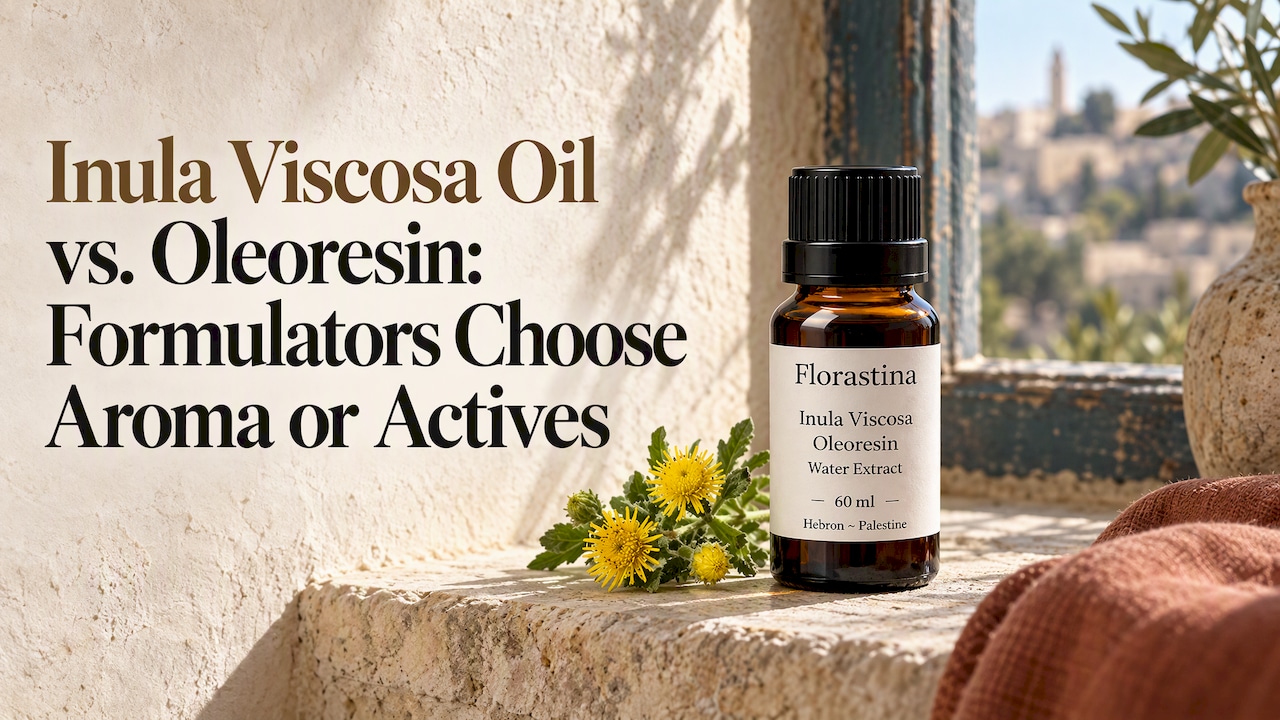
Pour des générations, Viscosa Inula, known in Palestine as Tayyoun (الطيون), has occupied a special place in Mediterranean traditional botanical practices. Its sticky leaves produce a fascinating resinous material rich in plant secondary metabolites. Today, this botanical chemistry is drawing interest from researchers studying inflammation, oxidative stress, microorganisms, and skin repair.
But what does science actually tell us about the potential health benefits of Inula viscosa oleoresin? The answer is promising, with an important qualification: much of the research concerns laboratory extracts, isolated compounds, or animal models rather than clinical studies of finished oleoresin products.
1. Skin Repair and Wound-Healing Research
One of the most interesting research areas involving Viscosa Inula is skin repair. A study published in Fitoterapia investigated a lipidic extract of Dittrichia Viscosa, examining its chemical composition, antimicrobial properties, and wound-healing activity in an experimental model. Researchers reported findings supporting further investigation of the plant’s skin-repair potential.
What this means: Viscosa Inula is a promising candidate for further skin-repair research. It does not mean commercial oleoresin has been clinically demonstrated to heal wounds or should be applied to injured skin.
For readers interested in a finished topical formulation rather than raw resin, see the Palinova Inula Viscosa Cream. Its individual product information and safety guidance should be considered separately from studies on other extracts.
2. Anti-Inflammatory Potential
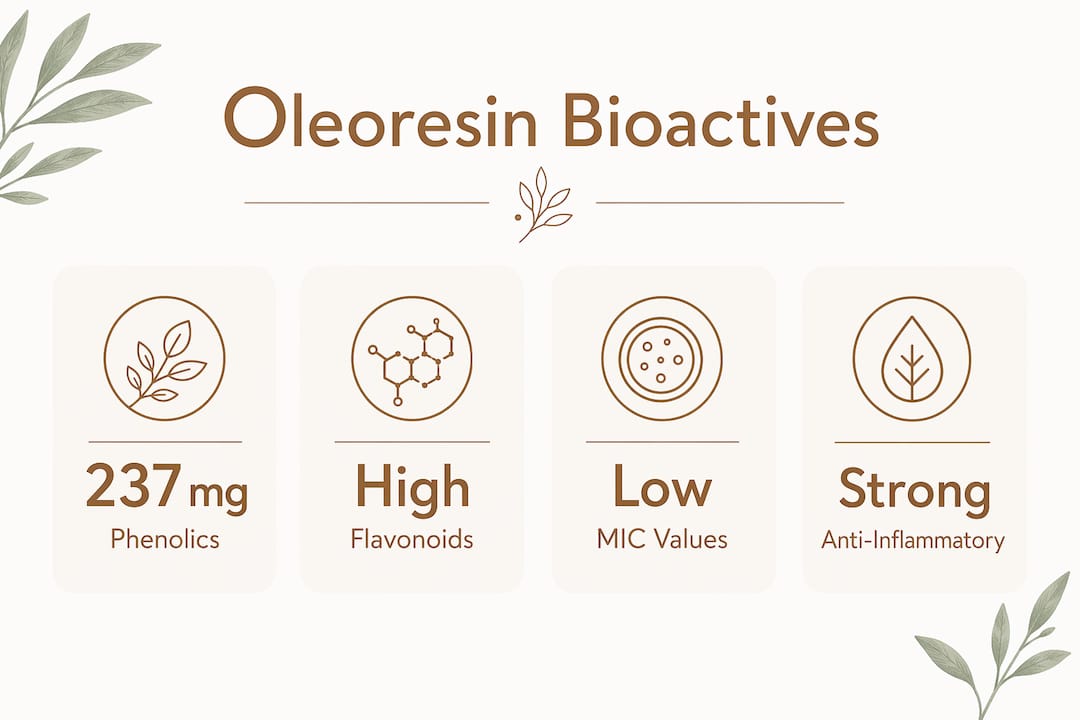
Inflammation is a normal biological response that helps the body respond to injury and environmental challenges. Scientists have studied Viscosa Inula compounds for their effects on inflammation-related pathways. Two interesting sesquiterpene lactones are tomentosine et inuviscolide.
Laboratory and animal studies suggest that certain preparations can influence inflammation-related responses. Human therapeutic effects and safe dosing have not been established for Palinova’s oleoresin.
3. Antioxidant Activity
Researchers are interested in plant-derived antioxidants because many botanical compounds can interact with oxidative processes. Viscosa Inula contains flavonoids and phenolic acids studied for antioxidant properties. Laboratory assays have reported antioxidant activity in various extracts.
Positive laboratory antioxidant tests do not establish that applying or consuming the oleoresin prevents disease, reverses aging, or improves human health.
4. Antibacterial Research
Researchers have tested different Viscosa Inula preparations against selected bacteria under laboratory conditions. Some studies report growth-inhibiting activity, depending on the microorganism, extraction method, and concentration tested.
Antibacterial activity in a laboratory does not establish that an oleoresin treats bacterial infections in people or can replace approved medicines.
5. Antifungal Research
Viscosa Inula has also been studied for activity against selected fungi. Different plant preparations contain distinct mixtures of terpenoids, phenolic compounds, and other secondary metabolites, which may help explain experimental results.
These findings are relevant to botanical research, but do not justify using untreated oleoresin as an antifungal medicine.
6. Research Into Cellular Protection and Bioactive Compounds
Sesquiterpene lactones such as tomentosin and inuviscolide have been investigated in cell-based studies, including research on cellular signaling, oxidative stress, and abnormal cell growth.
Laboratory effects on cells do not demonstrate that a botanical product prevents or treats cancer or any other serious disease.
7. Traditional Botanical Uses and Future Cosmetic Potential
The longstanding presence of Tayyoun in Palestinian and Mediterranean folk traditions adds another dimension to its scientific story. Historical accounts describe external applications of different plant preparations. Modern researchers are investigating whether standardized extracts may have applications in carefully formulated products.
Tradition can inspire research, but it cannot replace clinical evidence. Explore the background in L'Inula Viscosa dans la médecine traditionnelle palestinienne.
Why Oleoresin Is Different From Other Inula Viscosa Extracts
Essential oil mainly contains volatile compounds, while water-based, solvent-based, lipidic, and resinous preparations can contain different mixtures. Consequently, results from studies on one preparation cannot automatically be attributed to another.
Read our detailed comparison: Inula Viscosa Oil vs. Oleoresin: Formulators Choose Aroma or Actives. You can also explore Huile essentielle d'Inula Viscosa as a distinct botanical product.
Palestinian Inula Viscosa: A Botanical with Remarkable Potential
Palestine’s Mediterranean landscapes are home to a rich diversity of aromatic plants. Among them, Tayyoun stands out for its resinous character, resilience, and heritage. At Palinova, we value this connection between traditional knowledge and modern scientific curiosity.
Discover Palinova Inula Viscosa Oleoresin (60 ml) and its chemical and aromatic character. For deeper reading, visit Ce que vous devez savoir sur Inula viscosa oléorésine et Pourquoi Inula Viscosa L'oléorésine est une centrale botanique.
Safety: What You Should Know
Natural botanical materials are not automatically safe. Viscosa Inula has been associated with allergic contact dermatitis, and concentrated preparations may cause irritation or sensitization. Do not ingest the oleoresin or apply it directly to wounds, damaged skin, or mucous membranes. Do not use it to treat a medical condition without appropriate professional guidance. People with Asteraceae allergies should be particularly cautious. Safety for pregnancy, breastfeeding, and children has not been established for this product.
Foire aux questions
Does Inula viscosa oleoresin have anti-inflammatory properties?
Certain extracts and isolated compounds have demonstrated activity in experimental studies. Clinical effectiveness for the finished oleoresin has not been established.
Can Inula viscosa oleoresin help with skin repair?
Some experimental research involving lipidic and other extracts has investigated wound healing. These results do not establish that Palinova’s oleoresin is suitable for direct wound application.
Is Inula viscosa a natural antibiotic?
Laboratory antimicrobial activity has been reported for certain preparations, but this does not make the oleoresin an approved antibiotic or a treatment for infections.
What makes Palestinian Inula viscosa interesting?
Its botanical chemistry, aromatic resin, traditional heritage, and Mediterranean origin make it a compelling subject for research and natural-product development.
Conclusion: A Promising Plant That Deserves Serious Scientific Attention
The potential health-related properties of Viscosa Inula make it an intriguing plant in Mediterranean botanical research. Its antioxidant activity, inflammation-related chemistry, antimicrobial findings, and skin-repair investigations provide directions for further study.
The next step is to translate these findings into standardized, carefully tested products with clear evidence of safety and effectiveness.
Scientific References
- Review of ethnomedicinal uses, phytochemistry, toxicology and pharmacological activities of Dittrichia Viscosa.
- Study of wound-healing and antimicrobial potential of Dittrichia viscosa lipidic extract.
- Review of Inula viscosa chemical composition and biological activities.
- Allergic contact dermatitis from Dittrichia Viscosa.
This article provides educational information about botanical research. It does not establish medical benefits for Palinova’s oleoresin or recommend it for treating or preventing disease.