
Beeswax for Health Conscious Skin: 3 DIY Ratios Backed by Research
Updated: Sep 12
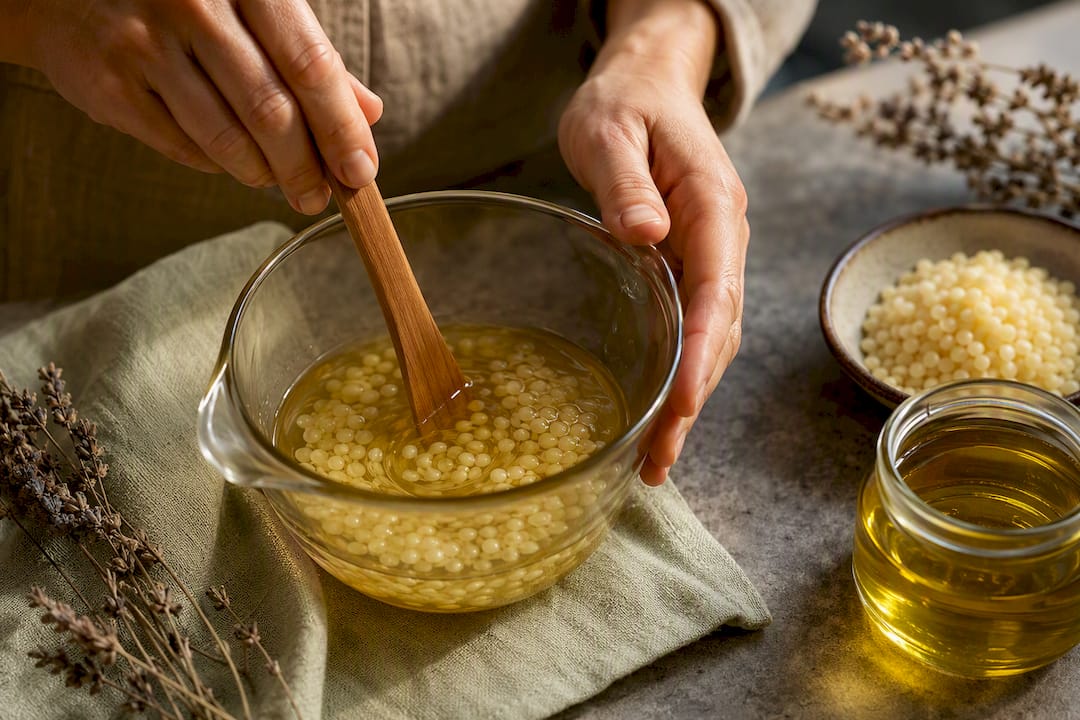
Yes, beeswax is an effective natural ingredient for protecting and hydrating dry or compromised skin. It forms a breathable, hydrophobic film that locks in moisture and helps calm chapped lips, dry patches, and mild dermatitis. It works best as a barrier support tool, not a treatment for active acne. Clinical reviews back these barrier benefits, though the research base is still small.
TL;DR:
Beeswax provides a breathable, hydrophobic barrier that reduces water loss and soothes dry, irritated skin, especially in lip balms and hand treatments.
Its effectiveness depends on proper formulation, with a typical melting ratio of one part beeswax to four parts carrier oil for balms and salves.
Beeswax’s chemical composition varies by source, which can influence its barrier and antimicrobial properties, especially when combined with propolis.
It is generally safe for sensitive skin but should be patch tested to avoid allergic reactions, particularly in those with pollen or propolis sensitivities.
Compared to petroleum jelly, beeswax feels lighter and is more suitable for body and lip use but offers less occlusive protection for severely cracked skin or wounds.
Table of Contents
What Are the Skin Benefits of Beeswax?
Beeswax earns its place in natural skincare through three jobs at once: occlusion, humectant support, and emollience. As an occlusive, it sits on top of skin and slows transepidermal water loss (TEWL), the process by which moisture escapes through the outer skin layer. A review of beeswax’s role in skincare found beeswax-containing moisturizers measurably reduced TEWL and improved overall skin condition in small clinical studies. Less water lost means softer, less flaky skin within days of consistent use.
Beeswax also draws in a small amount of ambient moisture (a mild humectant effect) while smoothing rough texture as an emollient, filling in the microscopic gaps between skin cells.
That combination shows up in everyday products:
Lip balms, where occlusion prevents the constant reapplication that chapped lips demand
Hand salves for cracked knuckles and workers exposed to water or cold
Lotion bars that melt slightly on contact with body heat
Diaper creams and barrier ointments for sensitive infant skin
People with dry or eczema-prone skin tend to see the biggest payoff. If your skin runs oily or breaks out easily, beeswax’s occlusive strength can trap sebum and contribute to clogged pores on the face, so body use or lighter formulations make more sense there.
How Does Beeswax Work on the Skin?
Beeswax is a complex natural wax made mostly of long-chain alkanes, free fatty acids, and fatty acid esters. Those compound classes are exactly why it behaves the way it does on skin: the esters and alkanes create the water-repelling film, while the fatty acids contribute to its softening, emollient feel. A Dermatology Times review of beeswax’s role in supporting the skin barrier breaks down this chemistry in detail.
Raw beeswax often carries traces of propolis, the resin bees collect from tree buds. Propolis-containing beeswax extracts have shown stronger antimicrobial activity against certain bacterial and fungal strains in lab studies compared with crude beeswax alone, which explains why some formulators add extra propolis to salves meant for irritated or broken skin.
Beeswax composition also varies by hive source, season, and bee species, so no two batches are chemically identical. On the regulatory side, the FDA lists yellow and white beeswax as Generally Recognized as Safe for food use, a baseline signal that carries over as reassurance for topical products too.
How Do You Use Beeswax on Skin?
Format matters more than most people assume. A lip balm needs enough beeswax to hold its shape in a tube; a body lotion bar can run softer since it’s applied by hand. Salves and ointments sit in between, thick enough to stay put on a wound or dry patch without feeling waxy.
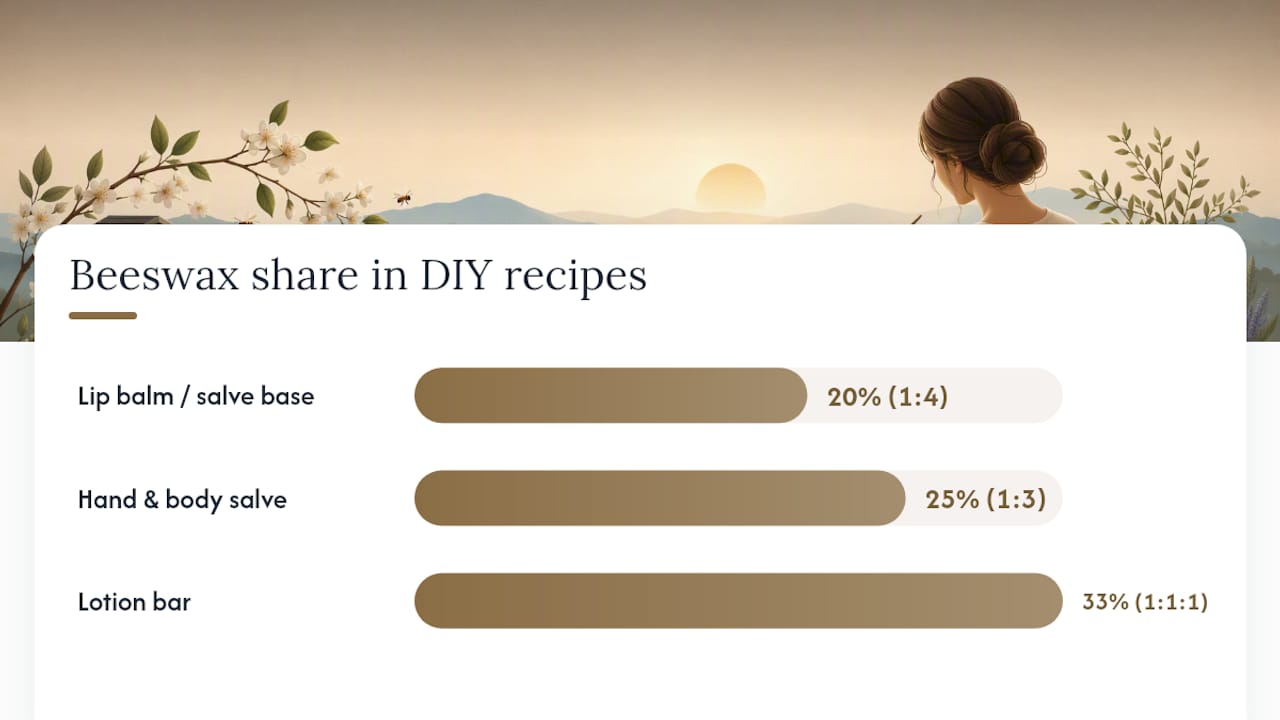
Lip balm or salve base: melt 1 part beeswax with 4 parts carrier oil (olive, sweet almond, or a Palestinian seed oil) over low heat, stir until uniform, then pour into tins before it sets.
Hand and body salve: combine 1 part beeswax, 3 parts carrier oil, and a few drops of a skin-friendly essential oil like lavender or geranium once the mixture cools slightly (adding oils too early cooks off their beneficial compounds).
Lotion bar: use equal parts beeswax, shea or cocoa butter, and liquid oil for a firmer bar that still glides on smoothly.
Melt slowly, mix while warm, and let the mixture cool undisturbed. Rushing the cooling stage causes grainy texture. A thin layer applied once or twice daily is enough. Because beeswax is hydrophobic, water and soap alone won’t fully remove it. An oil-based cleanser or micellar water breaks down the film first.
Pro Tip: Keep your beeswax-to-oil ratio flexible by season. Warmer months call for slightly more oil so the balm doesn’t feel too stiff on contact with skin.
Palinova’s beeswax soothing cream for dry, stressed skin follows this same logic, pairing beeswax with botanical oils rather than relying on wax alone.
Is Beeswax Safe for Sensitive Skin?
Beeswax is generally well tolerated for topical use, but “natural” doesn’t mean risk-free for everyone. True beeswax allergy is uncommon, though it can happen, especially in people with existing pollen or propolis sensitivities.
Before applying anything new to your face, patch test it:
Apply a small amount to your inner forearm and leave it uncovered.
Wait 24 to 48 hours, checking for redness, itching, or swelling.
If nothing happens, it’s reasonably safe to try on a small facial area next.
Stop immediately if you notice burning, hives, or persistent irritation, and see a clinician if symptoms don’t resolve.
Acne-prone faces should stick to smaller amounts or body use, since beeswax’s occlusive strength can trap oil in already-clogged pores. Removal always calls for an oil-based cleanser, since soap and water alone struggle to break down the wax film.
Beeswax vs. Petroleum Jelly: Which Occlusive Wins?
Both beeswax and petroleum jelly (Vaseline) form protective barriers, but they behave differently on skin. Beeswax occludes less aggressively while still letting skin breathe somewhat, which is why it tends to feel lighter and less greasy.
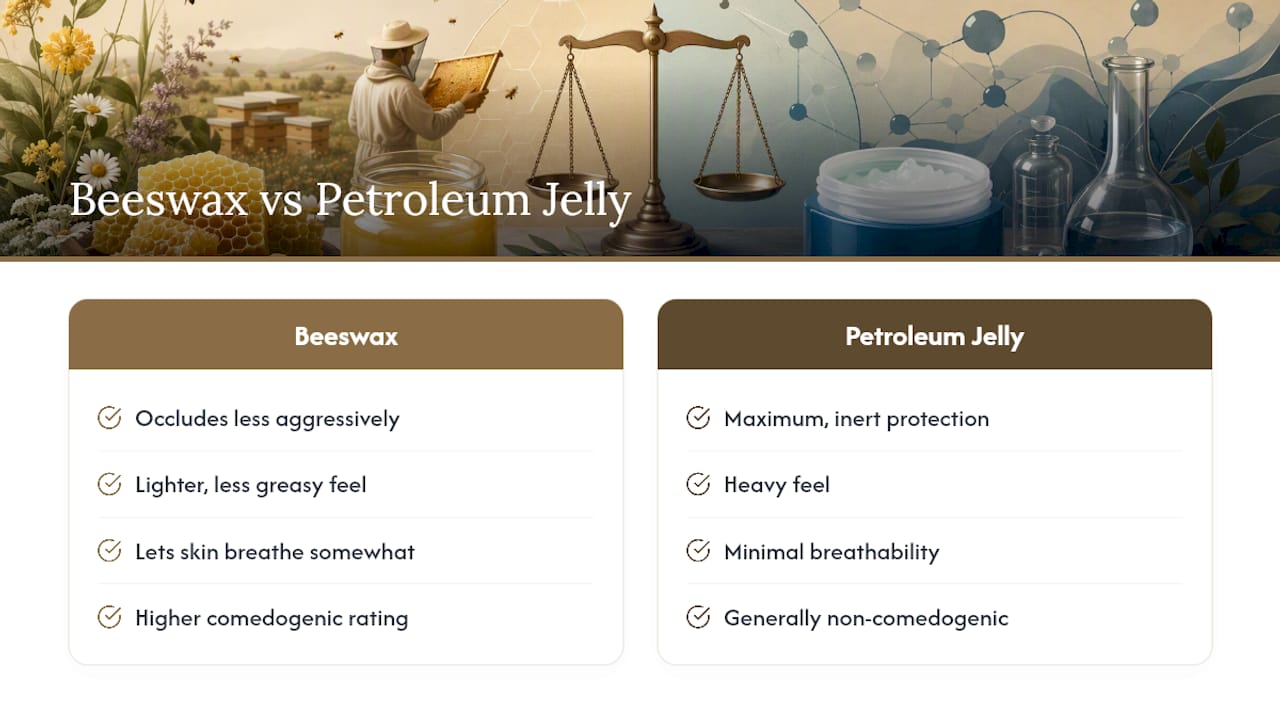
Petroleum jelly is generally considered non-comedogenic despite its heavy feel, making it a common pick for facial use. Beeswax carries a higher comedogenic rating, so it fits body and lip applications more comfortably than acne-prone facial skin. If you want a plant-derived barrier with a lighter finish, beeswax wins. If you want maximum, inert protection for a wound or severely cracked skin, petroleum jelly still has the edge.
What Does the Research Actually Show?
Beeswax’s evidence base leans toward “promising but modest,” not “proven cure.” Small clinical comparisons in occupational dermatitis found beeswax-containing moisturizers earned higher “good” or “very good” improvement scores than some commercial barrier creams, alongside meaningful TEWL reductions.
By the numbers: Human and animal studies cited in cosmetic dermatology literature report symptomatic improvement in atopic dermatitis, psoriasis, and burn care when beeswax preparations were used, though many of those studies combined beeswax with other natural ingredients rather than testing it in isolation.
That mixing makes it hard to credit beeswax alone for every result, and sample sizes across this research tend to be small. Still, the direction of the evidence is consistent enough that some beeswax creams are built around this same logic, pairing beeswax with botanical seed oils and offering aromatherapy consultations to help match formulations to individual skin needs.
A Practical Checklist for Choosing Beeswax Skincare
Look for short ingredient lists where beeswax sits alongside a named carrier oil, not a wall of synthetic fillers. Favor brands that disclose sourcing and avoid unnecessary added fragrance if you have sensitive skin.
Before buying, check for these five things: minimal processing, a clear oil pairing, no artificial fragrance unless you want it, transparent sourcing, and a patch-test recommendation on the label.
Get Beeswax-Based Skincare With Ethical Sourcing Built In
An alternative to mass-market beeswax products padded with synthetic fillers is to use creams pairing raw beeswax with cold-pressed seed and essential oils, sourced directly from growers rather than anonymous supply chains.
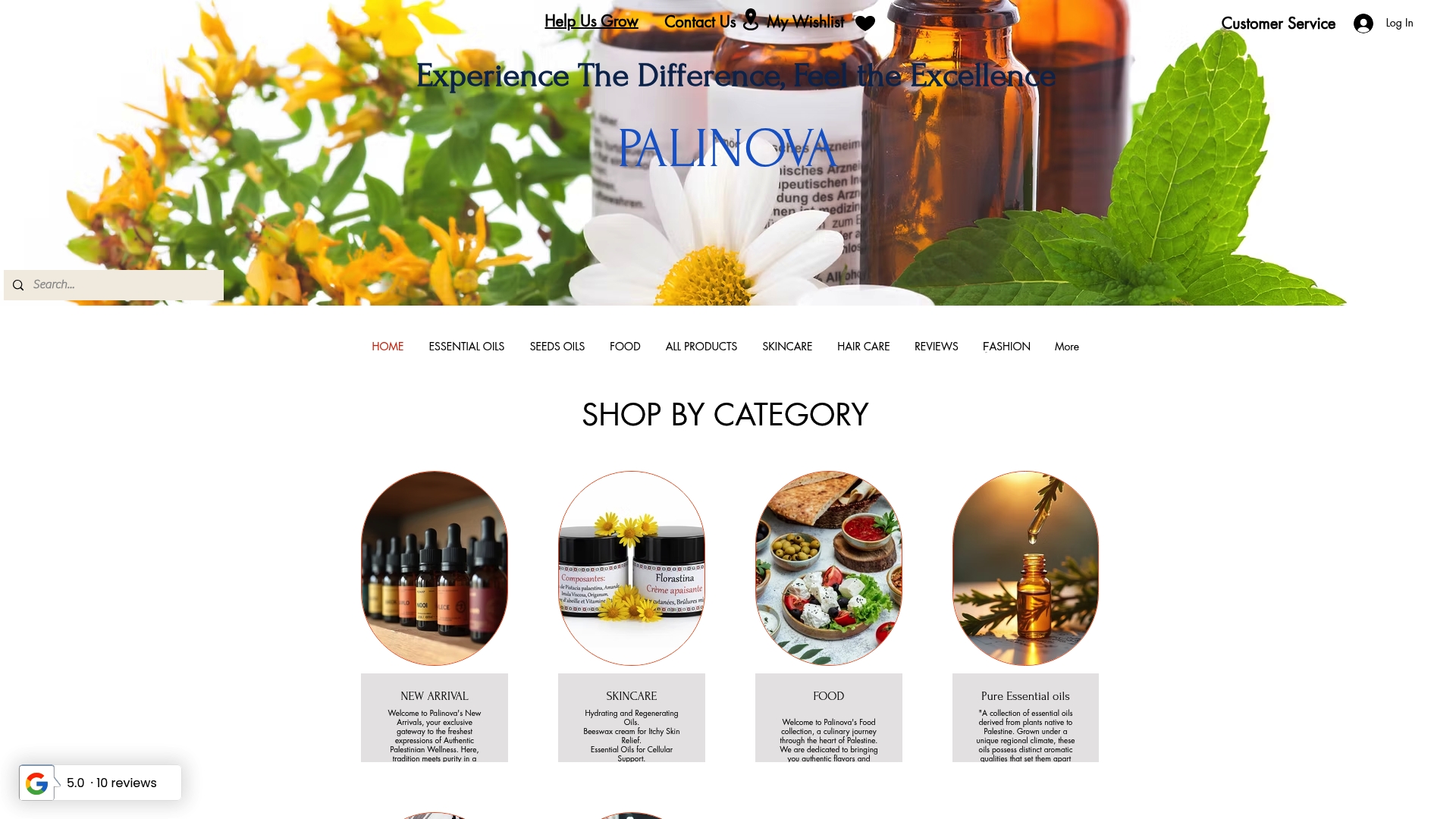
That sourcing model matters because beeswax quality varies so much by origin, as the chemistry section above makes clear. Palinova’s beeswax comfort cream for itchy, irritated skin and its related natural psoriasis relief formulations build on the same barrier-support science covered here, without synthetic additives diluting the effect. Readers who want a lighter, fragrance-forward option can also look at finished beauty formulations like the BEE FACTOR DD facial cream to see how beeswax shows up in mainstream products.
Some aromatherapy consultations offer to pair beeswax formulations with complementary oils like cypress or geranium based on specific skin types. Browse the current new arrivals to find a beeswax-based product that fits your routine, or start with a consultation to get matched to the right blend before you buy.
What Health-Conscious Shoppers Get Wrong About “Natural” Barrier Creams
Most people assume natural automatically means gentler, and with beeswax that assumption holds up better than with most trendy ingredients. But the real story isn’t beeswax versus synthetic. It’s beeswax versus mystery-sourced beeswax.
The chemistry section above matters here: composition varies by hive, season, and species. A jar labeled “100% beeswax” from an unknown supplier could behave nothing like one from a transparent, single-origin source. That variability is exactly why the clinical studies on beeswax report modest, inconsistent results. They’re often testing different beeswax, not just different formulations.
The other overlooked point: beeswax isn’t a treatment. It’s infrastructure. It holds moisture in and lets your skin’s own repair processes do the actual healing. People who expect a beeswax salve to “cure” eczema or psoriasis outright are asking more of a barrier ingredient than barrier ingredients can deliver. Pair it with the right carrier oils, patch test it properly, and treat it as support rather than a fix, and it earns its reputation. Skip those steps and you’re just rubbing wax on a problem that needs more than a film.
— abdelmuhsen
Sources
A Review of the Use of Beeswax in Skincare, The Role of Beeswax in Supporting the Skin Barrier, Beeswax Uses for Skin Care, and Beeswax: Overview, Uses, Side Effects informed this guide.
This article is general information, not a substitute for advice from a qualified doctor. Consult a qualified healthcare professional about your own circumstances before acting on anything here.
FAQ
Is Beeswax Good for the Skin?
Yes, for most people beeswax helps hydrate and protect skin by reducing moisture loss and softening dry patches, though those with acne-prone skin should use it sparingly on the face.
How Do You Use Beeswax for Skin Care?
Melt beeswax with a carrier oil at roughly a 1:4 ratio for balms or salves, apply a thin layer once or twice daily, and remove with an oil-based cleanser since it doesn’t rinse off with water alone.
Is Beeswax or Vaseline Better for Skin?
Petroleum jelly is more heavily occlusive and non-comedogenic, making it a common facial pick, while beeswax feels lighter and suits body and lip use better, especially for people who prefer plant-derived ingredients.
Is Beeswax Antifungal?
Beeswax itself has limited antifungal activity, but beeswax containing propolis has shown stronger antimicrobial and antifungal effects in lab studies than crude beeswax alone.
Recommended

Comments