
Avoid Fivefold Particulate Spikes: Diffuser Oils That Atomize


Start with sweet orange, lavender, and eucalyptus if you are new to diffusing. These oils atomize cleanly in most machines and cover the three uses people want most: energy, calm, and clear breathing. The core rule is simple: pick high-volatility oils for daily use, save thick base notes like sandalwood for blends, and always follow safety and maintenance steps before you press start.
TL;DR:
Citrus oils like sweet orange and lemon diffuse quickly and are ideal for brightening kitchens, bathrooms, and entryways, especially for beginners.
Lavender and eucalyptus are gentler options suitable for bedrooms and seasonal use, but eucalyptus may react differently depending on water quality and room conditions.
Blending citrus with base notes like cedarwood or sandalwood enhances scent complexity, but thick oils like sandalwood should be used in blends due to diffusion challenges.
Using distilled or deionized water and cleaning diffuser reservoirs regularly can significantly reduce particulate emissions and residue buildup.
Provenance and sourcing influence an oil’s scent and performance, with small-batch, single-origin oils offering more distinct aromas than mass-produced varieties.
Table of Contents
Best diffuser oils and why they work
The best diffuser oils share one trait: they turn into vapor easily without leaving residue behind. Chemists call this volatility, and it explains why citrus and mint-family oils dominate diffuser shelves while heavier resins struggle in the same machines. Below is a shortlist built around scent variety, room use, and how each oil actually performs once it hits your diffuser’s water or air chamber.
Sweet orange is the easiest oil to love. It smells bright and familiar, has almost no learning curve, and diffuses fast because of its high d-limonene content, the same compound researchers measured when studying emissions from ultrasonic diffusers. Best for: kitchens, living rooms, anyone diffusing for the first time.
Lemon behaves similarly to sweet orange but reads sharper and cleaner. It pairs well with almost anything and is a common base note in citrus blends. Best for: bathrooms, entryways, spaces that need a quick refresh.
Lavender is the most studied calming oil and one of the gentlest on ultrasonic diffusers, producing notably lower particulate output than heavier oils in chamber testing. Best for: bedrooms, wind-down routines, anyone sensitive to strong scents.
Eucalyptus carries a sharp, medicinal note from eucalyptol, a compound that diffuses efficiently but reacts differently depending on your water source. Best for: cold season, home offices, spaces where you want a wide-awake feeling.
Peppermint is intensely minty and works in small doses. A drop or two is usually enough to fill a room. Best for: studying, focus work, masking cooking odors.
Bergamot smells like a lighter, more floral cousin of orange and blends beautifully with lavender. Best for: living rooms, evening relaxation without full sedation.
Cedarwood brings a woody, grounding note and diffuses reasonably well on its own, though it is often paired with citrus to brighten it up. Best for: studies, meditation corners, masculine-leaning scent profiles.
Sandalwood is where things get tricky. It is thick, resinous, and does not aerosolize cleanly on its own in most machines. Use it in blends only, cut with a citrus or fir oil, rather than running it neat.
For readers who want provenance-focused options beyond the common list, single-origin oils like Aleppo pine needle offer a forest-fresh alternative with a distinct regional character. Palinova’s catalog leans into this kind of specificity, including specialty picks such as Achillea Fragrantissima for readers who want something beyond the usual lavender-and-citrus rotation.
A quick reference for building your first shelf:
Sweet orange: bright, universally liked, ideal for beginners and daytime spaces.
Lavender: calming, gentle on machines, best for bedrooms and evenings.
Eucalyptus: sharp and clearing, strong seasonal pick, watch your water source.
Peppermint: potent in small amounts, good for focus and odor masking.
Cedarwood: grounding and woody, best blended rather than diffused alone.
Diffuser blends and recipes worth trying
Once you have a few single oils, blending is where diffusing gets interesting. These combinations are built for a standard 100 to 150 milliliter ultrasonic reservoir, and most will run for 1 to 2 hours before needing a refill.
Morning energy: 3 drops sweet orange, 2 drops rosemary, 1 drop peppermint.
Focus session: 3 drops lemon, 2 drops peppermint, 1 drop cedarwood.
Evening wind-down: 4 drops lavender, 2 drops bergamot.
Deep calm: 3 drops lavender, 2 drops chamomile.
Respiratory support: 3 drops eucalyptus, 2 drops peppermint, 1 drop lemon.
Cold-season comfort: 3 drops eucalyptus, 2 drops fir, 1 drop cedarwood.
Meditation blend: 2 drops frankincense, 1 drop myrrh, 3 drops sweet orange (the citrus keeps the resins from clogging the atomizer).
Woodland reset: 3 drops cedarwood, 3 drops sweet orange, 1 drop fir.
Spring refresh: 3 drops lemon, 2 drops bergamot, 1 drop lavender.
Warm autumn: 2 drops sweet orange, 1 drop clove, 1 drop cedarwood.
Digestive comfort: 2 drops ginger, 3 drops sweet orange.
Quick air refresh: 4 drops lemon alone, no blending needed.
A few of these, along with seasonal variations, are laid out in more detail in Palinova’s diffuser recipe guide and its broader mood-based blend collection.
Device matters here. Nebulizing diffusers, which do not use water, favor top-note citrus and mint blends because they highlight the lighter monoterpene compounds directly. Ultrasonic diffusers handle a wider range but will also aerosolize whatever is in your water, so mineral content matters more than people expect. Reed diffusers work differently entirely, relying on passive evaporation through sticks rather than active dispersal, and their carrier liquids sometimes contain isopropyl alcohol, which is worth knowing if you have curious kids or pets nearby.
One more note: citrus oils like lemon and sweet orange can cause skin reactions in sunlight if applied topically, though this phototoxicity concern applies to skin contact, not to diffusing into the air.
Pro Tip: Build a blend in this order: pick your dominant scent, add a supporting note at half the drops, then adjust by smell, not by strict math.

How to choose oils for your device and needs
Not every oil behaves the same way once it hits your diffuser. The deciding factor is volatility, which is really just a measure of how quickly a liquid turns to vapor at room temperature.
Citrus oils and mentholated oils like peppermint or eucalyptus are highly volatile, so they nebulize readily and fill a room fast. Resins, absolutes, and thick base notes such as sandalwood or vetiver resist this process and can leave sticky residue in nebulizer tips if run undiluted. A practical fix is blending roughly one part base note to three or four parts thin citrus or fir oil, which lowers overall viscosity enough for consistent output.
Your device type changes the calculation too. Nebulizing diffusers work best with pure, thin oils since there is no water to dilute anything. Ultrasonic diffusers are more forgiving but sensitive to water quality. Heat diffusers can alter an oil’s chemical profile under sustained warmth, and reed diffusers depend on passive evaporation rather than active dispersal, so they suit oils with a slower, steadier scent throw.
When shopping, a few label details separate a reliable bottle from a questionable one:
Look for the botanical Latin name (like Lavandula angustifolia), not just “lavender,” since common names can cover several different plants.
Check for purity claims that specify no synthetic additives or carrier dilution unless stated.
Ask whether a GC/MS report is available, which shows the oil’s actual chemical makeup.
Note any storage guidance on the label, since heat and light degrade oils quickly.
Free aromatherapy consultations may help readers unsure which oil or blend fits their space, a useful option if the label alone leaves questions unanswered.
Are diffusers safe for your lungs?
Diffusing is generally considered a gentle way to enjoy aromatherapy, but it is not risk-free, and the details matter more than most people assume.
A 2021 chamber study measured VOC and particulate emissions from ultrasonic diffusers using lemon, lavender, eucalyptus, and grapeseed oils. Particulate matter output varied sharply by oil, with lemon producing a low milligram per hour amount, lavender and eucalyptus lower amounts, and grapeseed a higher milligram per hour amount, while switching from deionized to tap water increased eucalyptus particulate emissions substantially, according to the study’s chamber measurements. That means your choice of oil and even your choice of water changes what you are actually breathing, and the study’s controlled chamber conditions may not fully reflect a ventilated home.
Beyond emissions, some oils carry direct toxicity risks. Poison Control warns that oils like wintergreen can be harmful in small ingested amounts and that camphor exposure has been linked to seizures, and it recommends keeping all essential oils away from children and pets and following dilution and usage guidance closely. Phototoxic citrus oils raise separate concerns for topical use, though this does not apply to inhalation through a diffuser.
Cleveland Clinic notes that diffusing can be an effective way to shift mood through scent, but recommends diluting appropriately and sticking to your diffuser’s manufacturer directions for oil-to-water ratios rather than guessing.
Practical steps that lower your exposure risk:
Use distilled or deionized water instead of tap water to reduce mineral and particulate output.
Clean your reservoir regularly, following EPA humidifier guidance on frequency and method.
Run shorter cycles with breaks rather than continuous all-day diffusing, and crack a window when possible.
Reduce oil intensity or skip diffusing entirely around infants, pregnant individuals, or anyone with respiratory sensitivities.
Keeping your diffuser clean and your oils fresh
Most diffuser complaints trace back to two things: dirty reservoirs and old oil. The EPA recommends emptying and drying portable humidifier tanks and cleaning them roughly every three days to prevent mineral scale and microbial growth, guidance that applies directly to ultrasonic diffusers as well.
Weak scent usually means old oil or a mismatched device, not a bad bottle.
White dust or residue points to tap water minerals; switch to distilled water.
Clogging often comes from running thick absolutes undiluted; blend them with a thinner citrus oil instead.
Pro Tip: Store oils upright in a cool, dark cabinet and rotate older bottles to the front so nothing sits unused for years.
Why provenance changes how an oil smells and performs
The difference between a mass-produced lavender oil and one grown in a specific microclimate is not marketing, it is chemistry. Soil, altitude, and harvest timing all shift an oil’s compound ratios, which is why two “lavender” bottles can smell noticeably different.
Small-batch, single-origin oils tend to carry more distinct, less homogenized character, especially in specialty botanicals that larger producers rarely bother sourcing. Free aromatherapy consultations can provide guidance if you are unsure which blend suits your space, available before you buy, not just after.
Provenance is not a marketing detail. It is chemistry, and it shows up in the bottle.
— abdelmuhsen
Where to find these oils and blends
If the shortlist above sold you on trying something beyond the usual grocery store lavender, Palinova’s essential oils collection is built around exactly that kind of specificity, small-batch Palestinian botanicals sourced with attention to origin rather than mass output.
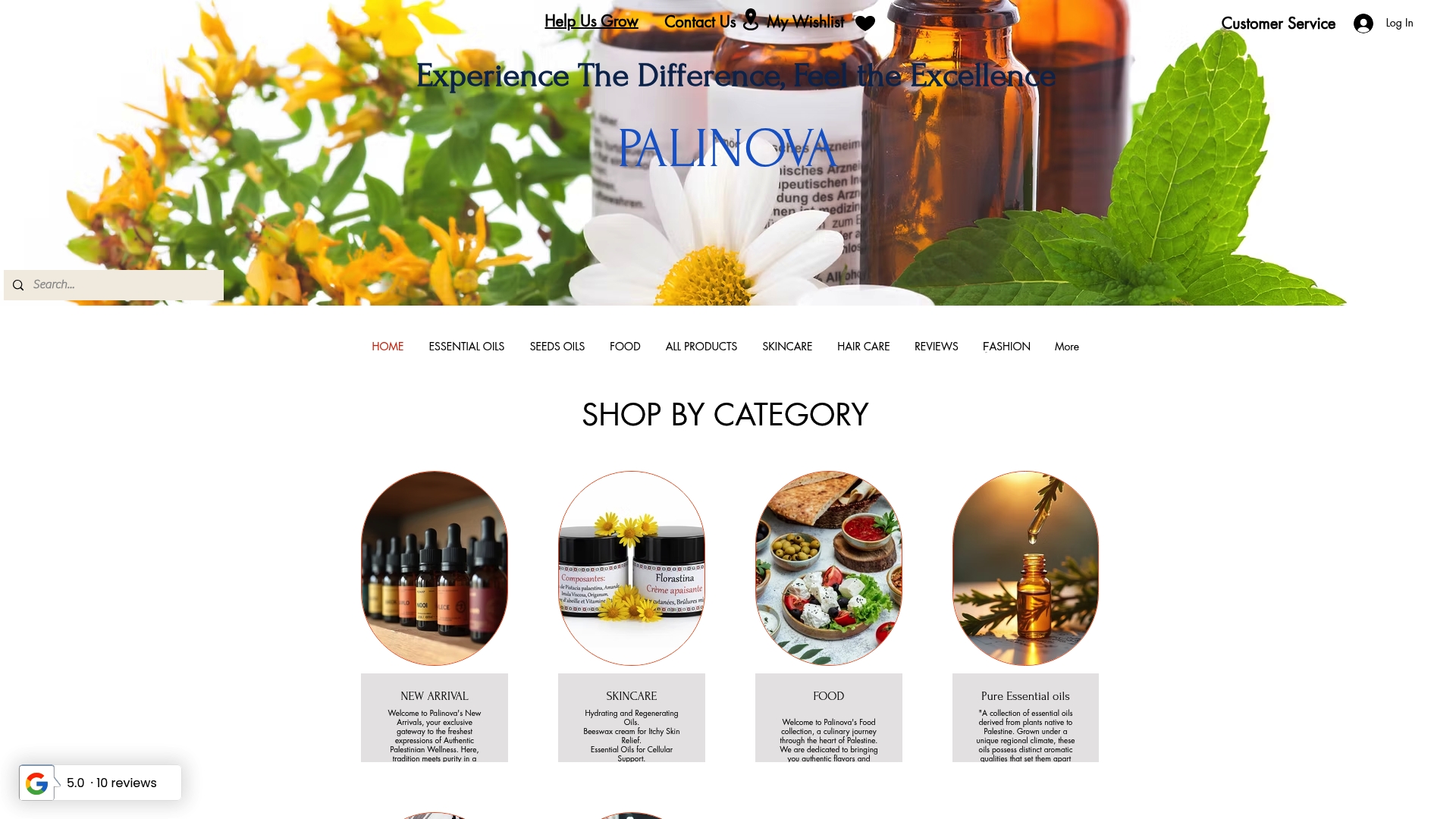
A few starting points worth knowing about:
The Achillea Fragrantissima essential oil is a specialty pick for readers who want something outside the common citrus-and-lavender rotation.
Barbary Fig seed oil is better suited to skincare use than diffusing, but it is worth exploring if you are already building a natural wellness routine.
Consultation services may be available to help match blends to your specific device or room.
Palinova’s blog covers safe diffuser use and dilution guidelines in more depth than a single article can.
If you know what you want, start at the main shop page and work from there.
Sources
FAQ
What is the best brand of essential oils for a diffuser?
There is no single universal answer, since oil quality depends more on sourcing, purity, and botanical species than brand name alone. Look for a supplier that lists the Latin botanical name, offers purity information, and ideally makes GC/MS testing available on request.
What is the best aroma oil to use in a diffuser?
Sweet orange and lavender are widely considered the easiest starting oils because they diffuse cleanly and suit most rooms and moods. Beyond those, eucalyptus and peppermint are popular for seasonal or focus-driven use.
Are diffusers ok for lungs?
Diffusing is generally considered a mild way to enjoy aromatherapy, but a 2021 chamber study found that particulate emissions vary significantly by oil and water type, with tap water raising eucalyptus particulate output roughly fivefold compared to deionized water. Using distilled water, shorter run cycles, and good ventilation are practical ways to reduce exposure.
What essential oils will make my house smell good?
Sweet orange, lemon, and bergamot are reliable choices for a fresh, welcoming scent in living spaces and entryways. For a cozier feel, blending citrus with cedarwood or a touch of clove adds warmth without overwhelming the room.
Recommended


Comments