
44 Trials Show Essential Oils Calm Anxiety in 10–30 Minutes

Clinical trials show that certain essential oils meaningfully reduce measured anxiety, though they work best as a support tool rather than a standalone fix. Jasmine and citrus aurantium (bitter orange) rank highest in the largest network analysis to date, with lavender, bergamot, rose, chamomile, and ylang-ylang also carrying solid evidence behind them. Most benefit shows up with roughly 10 to 30 minutes of cumulative exposure per session, whether inhaled, diffused, or applied topically at a safe dilution.
TL;DR:
Jasmine and citrus aurantium oils rank highest for reducing both state and trait anxiety in controlled trials, with effect sizes comparable to mild behavioral interventions.
Most beneficial exposure occurs with 10 to 30 minutes of inhalation, diffusion, or topical application per session, especially before stressful events or for daily calming routines.
Proper dilution, sun protection for citrus oils, and caution around pregnancy, epilepsy, children, pets, and medication interactions are crucial for safe use.
Effects are most reliably seen in situational anxiety during specific stressors like medical procedures, exams, or postpartum, rather than chronic anxiety disorders.
Consistent, measured use paired with mindful grounding techniques enhances benefits and minimizes risks, with personalized advice recommended for best results.
Table of Contents
Best Essential Oils for Anxiety, Backed by Evidence
Not every oil on a wellness blog’s “calming” list has actually been tested in a controlled trial. The ones below have, and the differences between them matter more than most guides let on.
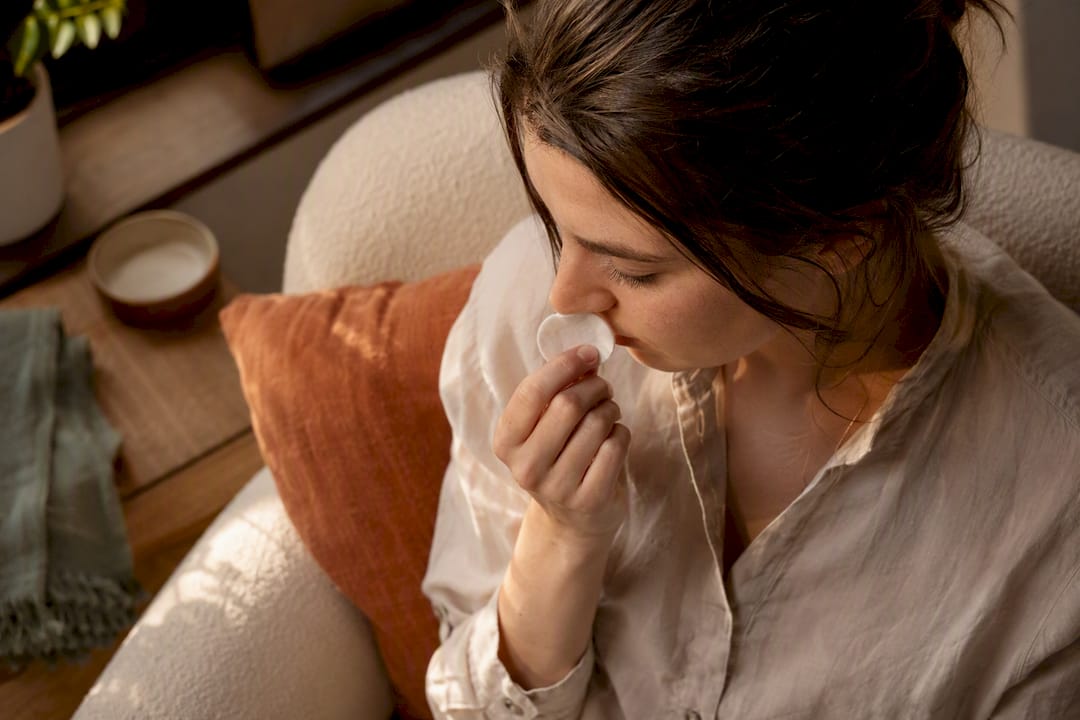
Jasmine has a floral, slightly narcotic scent, and it topped the rankings in a major network meta-analysis for reducing state anxiety, the short-term spike you feel before a stressful event. State anxiety and trait anxiety aren’t the same thing; state is the wave that hits you before a presentation, trait is your general baseline tendency toward worry. Jasmine seems to hit the former hardest, which makes it a strong pick for pre-event nerves rather than chronic background stress. A drop on a cotton pad, inhaled for a few minutes before a stressful task, mirrors how it was used in several of the reviewed trials.
Citrus aurantium (bitter orange) ranked highest for trait anxiety in that same systematic review of 44 randomized controlled trials covering 3,419 patients. Its scent is bright and slightly bitter, closer to orange peel than orange juice. Because it comes from the peel via cold pressing, it’s phototoxic on skin exposed to sunlight, so diffusion or inhalation is the safer route rather than a leave-on topical blend.
Lavender is the most heavily studied oil in the aromatherapy literature, appearing across dozens of RCTs cited in a narrative review on aromatherapy for anxiety, depression, and stress in women’s health. It doesn’t always top the rankings for raw effect size, but its consistency across different study populations, from presurgical patients to students during exam week, gives it the deepest evidence base of any single botanical. If you only try one oil first, lavender is the reasonable default precisely because so much is known about how it behaves.
Bergamot smells like a lighter, greener cousin of orange, with a slightly floral edge from the citrus family. It shows up repeatedly in clinical anxiety literature paired with lavender in blends, and like other cold-pressed citrus oils, it carries the same photosensitivity caution.
Rose (often as rose otto or absolute) has a heavier, more expensive extraction process, which is part of why it’s less common in large trials despite showing anxiolytic effects in smaller studies. It tends to get used in massage-based protocols rather than diffusion, since its warm, dense aroma works well blended into a carrier oil.
Chamomile carries a soft, apple-like scent and has a long folk history as a calming agent, now backed by trial data showing measurable anxiety reduction, particularly in situational stress rather than generalized anxiety disorder.
Ylang-ylang smells sweet, almost banana-and-jasmine adjacent, and shows up in several trials focused on physiological markers like heart rate and blood pressure alongside subjective anxiety scores.
The strongest evidence, by the numbers: A network meta-analysis of 44 RCTs and 3,419 patients found essential oils lowered state anxiety scores by a weighted mean difference of 6.63 points and trait anxiety by 4.97 points on standard anxiety inventories, with jasmine and citrus aurantium ranked as the most effective individual oils.
Here’s a quick reference for matching oil to situation:
Before a specific stressful event (public speaking, a flight, a medical procedure): jasmine or bergamot, inhaled directly.
General background tension across the day: citrus aurantium or lavender, diffused in short blocks.
Winding down at night or after a stressful day: chamomile or rose, often blended into a carrier oil for massage.
Physical tension alongside anxious feelings: ylang-ylang, which trials link to both subjective calm and lowered heart rate.
One caveat worth sitting with: individual response varies a lot. What flattens one person’s pre-flight jitters might do almost nothing for another’s. Treat this list as a starting point for experimentation, not a guarantee, and give each oil a real trial run of a few sessions before deciding it isn’t working.
What Does the Research Actually Show?
The evidence for essential oils and anxiety isn’t a handful of small studies. It’s now backed by pooled analyses running into the thousands of participants, and the numbers are more specific than most articles bother to report.
The most rigorous synthesis, a 2023 systematic review and network meta-analysis of 44 randomized controlled trials, pooled data from 3,419 patients. It found a weighted mean difference of −6.63 on state anxiety inventories and −4.97 on trait anxiety inventories compared to control groups, with jasmine and citrus aurantium ranking as the top performers across the network of oils tested. That’s not a subtle effect on a self-reported anxiety scale, though it’s also not a cure. It’s a measurable dampening of the anxiety response, comparable in scale to what some non-drug behavioral interventions achieve.
A more recent 2025 meta-analysis put the pooled effect size at a standardized mean difference (SMD) of roughly −0.46, generally interpreted as a moderate effect, alongside measurable drops in systolic blood pressure and heart rate. A separate meta-analysis focused specifically on nursing and health sciences students, pulling from 33 studies and 2,312 participants, landed on an almost identical anxiety SMD of −0.46, plus a systolic blood pressure reduction of 3.72 mmHg and a diastolic reduction of 2.30 mmHg. Two independent analyses converging on the same effect size is the kind of consistency that’s rare in aromatherapy research, and it’s worth taking seriously.
Effect size in plain terms: An SMD of −0.46 sits in the moderate range, roughly on par with the effect some meta-analyses report for structured exercise programs on mild to moderate anxiety symptoms. It’s real, it’s reproducible across independent research teams, and it’s not dramatic enough to replace treatment for a diagnosed anxiety disorder.
Where do these effects actually get tested? Overwhelmingly in three settings: presurgical waiting rooms, university student populations during high-stress periods like finals, and postpartum units. That matters because it tells you where the evidence is strongest and where it thins out. If you’re dealing with situational, time-limited anxiety, like the hours before a procedure or the week before an exam, the trial conditions map closely onto your own experience. If you’re managing a chronic, diagnosed anxiety disorder, the trial base gets thinner and the results are less directly applicable.
A few limitations deserve honest mention:
Blinding is genuinely hard. You can’t fully disguise the smell of jasmine as a “placebo” scent, so some of the measured effect may include expectation and the simple ritual of pausing to breathe deliberately.
Study quality varies widely. Sample sizes range from a few dozen to several hundred, and not every trial used the same anxiety inventory, which is part of why researchers rely on standardized effect sizes like SMD instead of raw scores.
Heterogeneity is a known issue. Different oils, different delivery methods (diffusion versus topical versus inhalation), and different populations get pooled together, which can blur the picture for any single oil used in a single way.
Long-term data is thin. Most trials measure anxiety over hours or days, not months, so claims about sustained anxiety reduction over time rest on thinner ground than claims about acute, short-term relief.
None of that erases the core finding. It just means the honest framing is “a moderate, reproducible, short-term effect on situational anxiety,” not “a proven cure for anxiety disorders.”
How to Use Essential Oils for Anxiety (Step by Step)
The delivery method changes both the safety profile and the practical logistics, so picking the right one for your situation matters more than which oil you choose.
Diffusion works best for ambient, background anxiety across a stretch of time, like during a work session or while cooking dinner after a stressful day. It’s the gentlest exposure method and the easiest to sustain for the 10 to 30 minute cumulative window that trials associate with the strongest anxiety reduction.
Personal inhalers (small portable tubes you hold to your nose) are the better option for acute, situational anxiety, like right before a flight, an exam, or a medical appointment. They deliver a concentrated dose in a short window and travel easily in a bag or pocket.
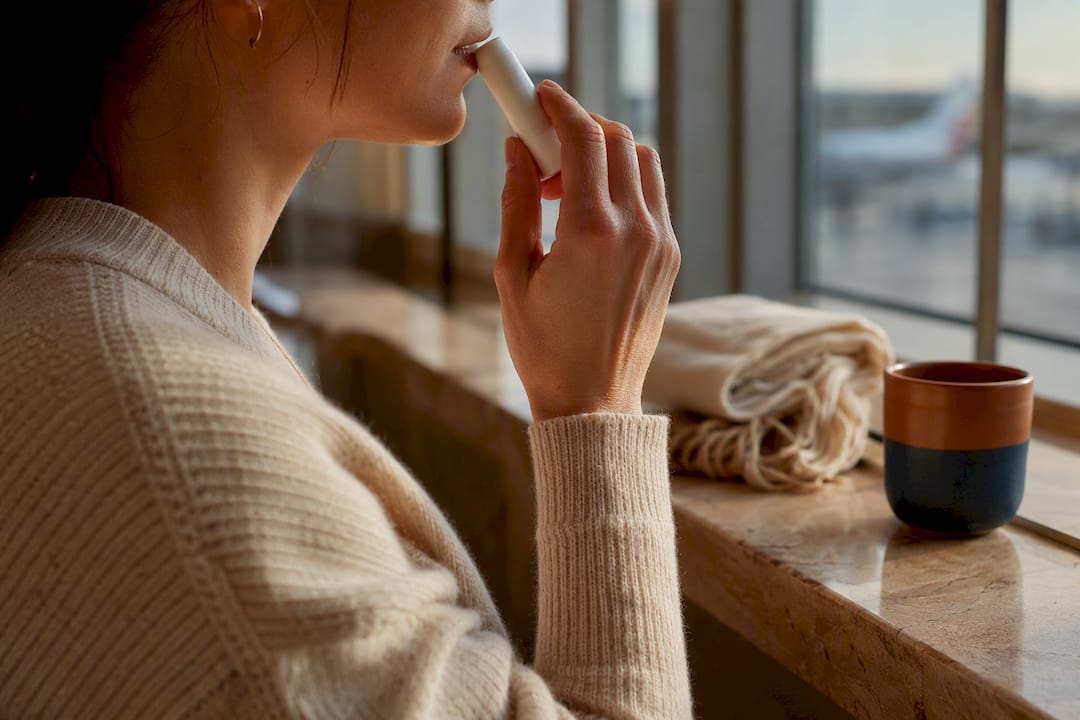
Topical application, properly diluted into a carrier oil, suits ongoing daily use, especially blended into a massage or applied to pulse points as part of a wind-down routine. It’s slower acting than inhalation but the scent lingers longer on skin.
Trial data consistently points to a cumulative exposure of 10 to 30 minutes per session as the sweet spot. Sessions shorter than that showed weaker, less consistent effects in pooled analyses, and unusually long sessions didn’t reliably improve on that window either. That’s a useful number to build a routine around instead of guessing.
Two simple starting recipes:
Pre-event calm blend (diffuser): 3 drops bergamot, 2 drops lavender, in a standard diffuser with water, run for 20 minutes starting about 30 minutes before your stressful event.
Acute anxiety inhaler blend: 4 drops jasmine or citrus aurantium on a cotton wick inside a personal inhaler tube, capped and ready for direct inhalation when anxiety spikes.
A basic inhalation routine you can run anywhere:
Open the inhaler or hold the diffused air close, about six inches from your nose.
Inhale slowly through your nose for a count of four.
Hold gently for a count of two.
Exhale slowly through your mouth for a count of six.
Repeat for 3 to 5 minutes, keeping your attention on the scent and the breath rather than the anxious thought.
Set the oil aside and note how your body feels before moving on with your day.
For daily maintenance rather than acute relief, a short morning or evening diffusion session of 15 to 20 minutes, paired with a consistent oil choice, tends to build the kind of familiarity that makes the ritual itself calming over time — a soothing practice you can also enhance with services from Vitaluxe Drip Lounge. Palinova’s guide to essential oil blends for different moods walks through combinations for morning versus evening use if you want ready-made starting points.
Pro Tip: Pair a 3 to 5 minute focused inhalation with the 3-3-3 rule: name 3 things you can see, 3 sounds you can hear, and 3 parts of your body you can feel. The scent gives your nervous system something calming to anchor to while the grounding exercise interrupts the spiral of anxious thoughts. This combination mirrors what small trials on combined aromatherapy and mindfulness sessions have tested, and it takes under five minutes.
Is It Safe? Dilution Rules and Who Should Avoid Certain Oils
Undiluted essential oil on skin is one of the most common ways people give themselves a rash and then decide aromatherapy “doesn’t work” for them. It’s not the oil failing. It’s the concentration.
A standard adult topical dilution sits around 1 to 2%, which works out to roughly 6 to 12 drops of essential oil per 30 mL of carrier oil like jojoba or sweet almond oil. Palinova’s dilution guide breaks this down with exact drop counts for different bottle sizes, and the massage-specific dilution guide covers the slightly different ratios used for full-body massage versus spot application. Getting the ratio right is the difference between a calming ritual and a trip to urgent care for a chemical burn.
Why dilution matters more than people assume: Undiluted essential oils are concentrated botanical extracts, often 50 to 100 times stronger than the plant material itself. Skin irritation, sensitization, and even permanent scent aversion can result from applying them directly, undiluted, regardless of how “natural” the oil is.
A few specific risks deserve their own callout:
Citrus oils and sun exposure. Cold-pressed bergamot and citrus aurantium are phototoxic. Applying them topically and then sitting in direct sunlight can cause burns or dark patches on skin. Stick to diffusion or inhalation with these, or wait at least 12 hours before sun exposure if applied topically.
Pregnancy. Several commonly used calming oils, including clary sage and certain concentrated citrus extracts, carry cautions during pregnancy. Anyone pregnant or trying to conceive should talk to a doctor or a qualified aromatherapist before starting any new oil, even ones considered generally gentle.
Epilepsy. Certain oils, particularly rosemary and eucalyptus, are associated with seizure risk in people with epilepsy and are generally avoided in that population.
Infants and young children. Children under 2 generally shouldn’t be exposed to concentrated essential oils via diffusion in enclosed spaces, and topical use in children requires dilution rates far below the adult 1 to 2% standard. Ask a pediatrician before using any oil around infants.
Pets. Cats in particular lack the liver enzymes to metabolize many essential oil compounds efficiently, and diffusing oils like citrus or tea tree in a small, poorly ventilated room can cause respiratory distress in cats and small dogs. Keep diffusers in well-ventilated rooms pets can leave freely.
Medication interactions. If you’re on anti-anxiety medication, blood thinners, or blood pressure medication, mention your aromatherapy routine to your prescriber, particularly given the blood pressure effects some oils show in trials.
None of this is meant to scare you off trying aromatherapy. It’s meant to make sure your first experience with it is a good one, not a rash or a headache from an overloaded diffuser in a closed bedroom.
How to Choose High-Quality Essential Oils
The trial results discussed above were run on properly identified, unadulterated botanical extracts. A $6 bottle labeled vaguely as “lavender fragrance oil” from a discount store is not the same product, and it won’t behave the same way on your nervous system.
Here’s what to check before buying any oil:
Look for the Latin botanical name on the label. “Lavandula angustifolia” is true lavender; “Lavandula latifolia” (spike lavender) has a different chemical profile and different effects. A label with only the English common name is a red flag.
Check for chemotype information when relevant. Some oils, like rosemary and thyme, come in distinct chemotypes with meaningfully different chemistry and safety profiles. Reputable sellers list this when it applies.
Confirm the extraction method. Cold-pressed (typical for citrus peels) versus steam-distilled (typical for florals and herbs) affects both the chemical makeup and the oil’s photosensitivity risk.
Ask about country of origin and sourcing. Oils tied to a specific growing region often carry more consistent chemistry, since climate and soil affect the plant’s essential oil composition.
Request GC-MS testing data if you’re serious about consistency. Gas chromatography mass spectrometry reports show the exact chemical breakdown of a batch and are the closest thing to a lab-verified purity check. Not every seller offers this, but a willingness to provide it on request is a good sign.
Watch for suspiciously low prices on notoriously expensive oils. Rose otto, jasmine absolute, and true chamomile are labor-intensive to extract and never sell for a few dollars a bottle. A cheap “jasmine oil” is almost certainly diluted or synthetic.
Store oils away from heat and light, and expect a shelf life. Most essential oils stay potent for 1 to 3 years unopened, with citrus oils degrading faster than woody or resinous ones. A rancid or “off” smell means it’s time to replace the bottle.
A quick checklist to run through before you buy: does the label show the botanical name, is the extraction method disclosed, and can the seller answer a direct question about sourcing without hedging? If the answer to any of those is no, keep looking.
How Palinova Approaches Aromatherapy for Anxiety
This company sources essential oils from Palestinian botanical heritage, working with agricultural traditions that have shaped regional aromatherapy and herbal practice. The product range includes essential oils, seed oils, skincare, hair care, and traditional food products, all without synthetic additives.
What sets the approach apart is the free aromatherapy consultation offered alongside the product catalog. Instead of guessing which of the oils covered in this guide might suit your specific situation, a consultation walks through your anxiety triggers, your sensory preferences, and any contraindications, like pregnancy or existing medication, before recommending a starting oil and dilution.
That personalization matters because, as this guide has laid out, individual response to aromatherapy varies. A consultation shortens the trial-and-error phase considerably by matching oil selection to your actual circumstances rather than a generic “top 5” list.
It’s worth being direct about the boundary here: a consultation and a bottle of jasmine oil are a complement to your existing anxiety care, not a replacement for therapy or medication if you’ve been diagnosed with an anxiety disorder. The role is to help you use aromatherapy well within that broader picture, not to position it as a stand alone treatment.
The Gap Between the Research and the Marketing
Most articles on essential oils for anxiety either overstate the evidence into a miracle cure or dismiss it entirely as expensive placebo. Both readings miss what the actual data shows: a moderate, reproducible, short-term effect on situational anxiety, consistent across independent meta-analyses landing near the same SMD of −0.46.
The bigger failure in most guides isn’t the oil recommendations. It’s the complete absence of dosing specifics. Telling someone to “diffuse lavender for relaxation” without mentioning the 10 to 30 minute window that trials actually tested is like telling someone to “take medication for a headache” without a dose. The exposure time matters as much as the oil itself, and that detail rarely makes it past the marketing copy.
If you take one thing from this guide, prioritize the delivery method and duration over chasing the “best” oil. Jasmine and citrus aurantium have the strongest rankings, but a properly diluted lavender used consistently for the right amount of time will likely outperform an exotic oil used haphazardly for thirty seconds.
— abdelmuhsen
Where to Start With Palinova’s Essential Oils
These essential oils are grown from Palestinian agricultural heritage, cold-pressed and steam-distilled from botanicals sourced through rural farming communities rather than mass fragrance suppliers. That sourcing chain is exactly what the label-checking steps above are designed to verify, and it’s built into every product before it reaches your cart.
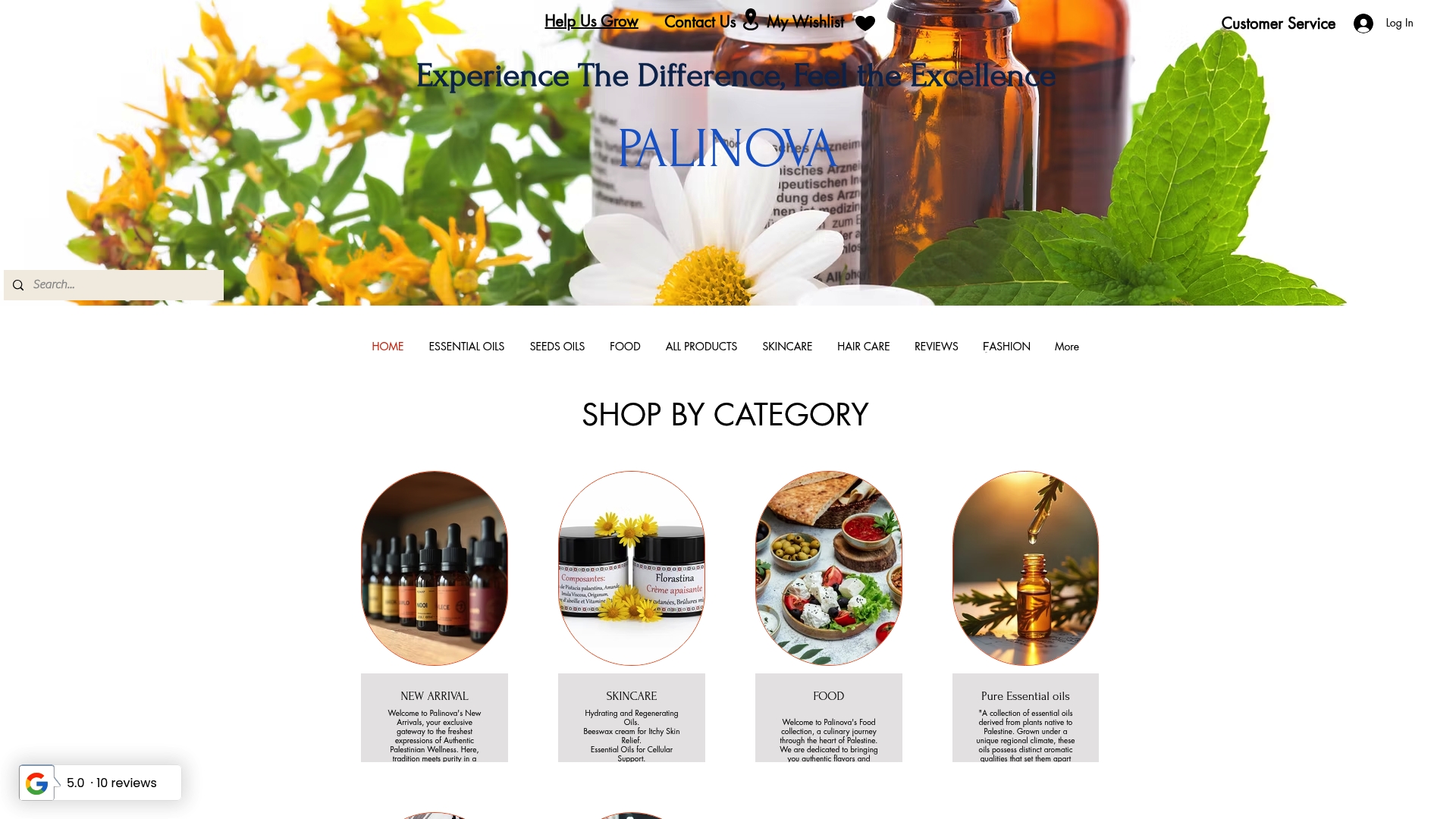
The current catalog covers essential oils, seed oils, skincare, hair care, and traditional Palestinian food products, including options like Achillea Fragrantissima essential oil for readers wanting to expand beyond the botanicals covered in this guide. If you’re unsure where to start, the free aromatherapy consultation walks through your specific anxiety patterns and recommends an oil and dilution ratio suited to your situation, the same personalization this guide has argued matters more than any generic “top oil” list. Visit the Palinova shop to browse the full range or book a consultation before your first purchase.
Sources
The clinical claims throughout this guide draw from a small set of high-quality reviews and trials, worth reading directly if you want the full methodology behind the numbers cited above.
This article is general information, not a substitute for advice from a qualified doctor. Consult a qualified healthcare professional about your own circumstances before acting on anything here.
FAQ
What is the 3-3-3 rule for anxiety?
The 3-3-3 rule is a grounding technique where you name 3 things you can see, 3 sounds you can hear, and 3 parts of your body you can feel or move. It works well paired with a short essential oil inhalation, since the scent gives your senses something calming to focus on while the exercise interrupts anxious thought spirals.
How can I calm anxiety naturally and quickly?
Fast, natural anxiety relief usually combines a physical action with a sensory one, such as paced breathing paired with direct inhalation of an oil like jasmine or bergamot. A network meta-analysis of 44 trials found measurable anxiety reductions from inhaled essential oils within a single short session, making it one of the quicker non-drug options to try in the moment.
What is the strongest natural remedy for anxiety?
No single natural remedy outperforms all others across every person, but jasmine and citrus aurantium currently hold the strongest ranking among essential oils in controlled trials. Combining a short aromatherapy session with mindfulness or breathing exercises produced larger reductions, between 20% and 47% in one randomized trial, than aromatherapy used alone.
What are the symptoms of chronic anxiety?
Chronic anxiety typically shows up as persistent worry, muscle tension, restlessness, sleep disruption, and difficulty concentrating that lasts for weeks or months rather than resolving after a single stressful event. If these symptoms are ongoing and interfering with daily life, aromatherapy can support a broader treatment plan, but a diagnosis and treatment plan should come from a doctor or therapist.
Can essential oils replace anxiety medication or therapy?
No. The evidence supports essential oils as a complementary, short-term aid for situational anxiety, with a moderate effect size (SMD around −0.46 in recent meta-analyses), not a replacement for prescribed medication or therapy in diagnosed anxiety disorders. Anyone currently in treatment should discuss aromatherapy use with their provider rather than substituting it for existing care.
Recommended


Comments