
10 Essential Oils for Meditation and How to Use Them Safely


Frankincense, lavender, sandalwood, vetiver, palo santo, and clary sage are the oils meditators reach for most, and for good reason: each one shifts the nervous system toward calm without demanding much effort. The simplest way to use any of them is a diffuser running 15 to 20 minutes before you sit, or two drops on a tissue held near your face during the session. If you’d rather apply oil to skin, dilute it in a carrier oil first. Never ingest essential oils, and always store them away from kids.
TL;DR:
Frankincense is a versatile starting point as it supports both grounding and focus during meditation sessions.
Diffusing oils for 10 to 30 minutes or inhaling 1 to 2 drops directly enhances the meditative atmosphere but should be done with safety.
Single-source, pure oils used consistently offer more benefit than complex blends, emphasizing sourcing and simplicity for effectiveness.
Daily use is generally safe if oils are properly diluted, stored away from light, and patch-tested, with extra caution during pregnancy or health issues.
Evidence suggests aromatherapy can reduce anxiety and improve well-being, but results vary, and it functions mainly through ritual and association rather than direct pharmacology.
Table of Contents
What Are the Best Essential Oils for Meditation?
Different oils pull your attention in different directions. Some ground you into your body, some quiet mental noise, some open things up. Here’s how the ten most commonly recommended options break down, categorized loosely along the lines aromatherapists use for grounding, relaxing, and uplifting effects.
Frankincense — Best for deepening breath awareness and slowing racing thoughts. Woody, slightly citrusy resin scent. Diffuse it, or rub one drop diluted onto your sternum before sitting down.
Lavender — Best for pre-sleep meditation or anxious evenings. Soft, floral, faintly herbal. Diffuse in the room or inhale directly from the bottle for 30 seconds before starting.
Sandalwood — Best for long sits where you need sustained focus. Creamy, warm, woody. A dab on the wrists or third eye works well as a topical anchor scent.
Vetiver — Best for grounding when your mind is scattered or overstimulated. Deep, earthy, almost smoky. Diffuse at low concentration since a little goes a long way.
Palo Santo — Best for ritual-style openings, like lighting incense used to be. Sweet, piney, mildly citrus. Traditionally burned as wood, but the essential oil version works fine in a diffuser.
Clary Sage — Best for releasing tension held in the shoulders and jaw before a session. Herbal, slightly nutty, faintly sweet. Diffuse or apply diluted to the back of the neck.
Roman Chamomile — Best for softening irritability or a restless mood. Apple-like, gentle, almost tea-scented. Works well in a bedtime or wind-down meditation.
Cedarwood — Best for stability during morning meditation, especially if you tend to rush. Dry, woody, similar to a sharpened pencil in the best way. Diffuse alone or blend with frankincense.
Patchouli — Best for practitioners who want a heavier, more physical grounding effect. Musky, damp-earth, polarizing but effective. A single diluted drop on the soles of the feet is a traditional grounding trick.
Ylang Ylang — Best for meditations focused on self-compassion or emotional release. Sweet, tropical, floral. Use sparingly since it’s potent. Diffuse at half the usual drop count.
If you want to start with a single bottle before building a collection, frankincense is the most versatile entry point, since it works for both grounding and focus-oriented practices.
How Do You Use Essential Oils During Meditation?
Method matters as much as the oil itself. Here’s how to apply each approach correctly:
Diffuser. Add 3 to 5 drops per 100 mL of water for a standard ultrasonic diffuser. Run it 10 to 30 minutes, starting it 5 minutes before you sit so the scent has time to fill the space without overwhelming the room. Full diffuser safety steps are worth reviewing if you’re new to this.
Personal inhalation. Add 1 to 2 drops to a tissue, a cotton pad, or a personal aromatherapy inhaler stick. Hold it 3 to 4 inches from your nose and breathe in for 20 to 30 seconds before beginning.
Topical application. Dilute 2 to 6 drops per 10 mL of carrier oil (jojoba or fractionated coconut oil work well), and apply to pulse points, wrists, or the back of the neck. Always patch-test on your inner forearm 24 hours ahead of first use.
Pro Tip: Make a travel roll-on by combining 10 drops of frankincense or lavender with 10 mL of carrier oil in a rollerball bottle. It fits in any bag and turns airports, hotel rooms, and waiting areas into portable meditation cues.
Sample Blends for Different Meditation Goals
Simple blends beat complicated ones. Aromatherapists generally build around a single anchor oil, then add one or two supporting notes, since layering too many scents makes the effect unpredictable.
Grounding blend: 3 drops vetiver, 2 drops cedarwood, 1 drop patchouli. Diffuse for 20 minutes during seated or walking meditation.
Calming blend: 3 drops lavender, 2 drops Roman chamomile, 1 drop clary sage. Best in a diffuser or roll-on for evening practice or anxious days.
Focus blend: 3 drops frankincense, 2 drops sandalwood, 1 drop cedarwood. Works well as an inhaler stick for longer sits.
Uplifting/spiritual blend: 2 drops palo santo, 2 drops frankincense, 1 drop ylang ylang. Diffuse before mantra or gratitude practices.
If pets or scent-sensitive people share your space, cut drop counts in half and rely on a personal inhaler instead of a diffuser. Cats in particular react poorly to many essential oils, so keep diffusers in closed rooms if one lives in your home.
Is It Safe to Use Essential Oils Every Day?
Daily use is generally fine when you follow basic precautions, but essential oils are concentrated plant chemistry, not a gentle herbal tea, and they deserve to be treated that way.
Never swallow essential oils. Poison Control warns that ingestion can cause serious neurological, gastrointestinal, or respiratory harm, and oils should always sit in child-resistant, sealed containers well out of reach of kids and pets.
Store bottles in amber or cobalt glass, away from light and heat, since oils oxidize over time and degraded oils increase skin-sensitizing byproducts. Most last 1 to 3 years unopened depending on the oil.
Patch-test before topical use: apply diluted oil to your inner forearm, wait 24 hours, and check for redness before using it elsewhere, since plant-based allergies can surface unexpectedly.
Avoid sun exposure after applying photosensitizing oils like bergamot or citrus oils to skin.
If you’re pregnant, nursing, or managing a medical condition, check with a doctor before starting regular topical or inhaled use.
Does Aromatherapy Actually Help With Meditation and Anxiety?
The research leans cautiously positive. One randomized trial found that pairing aromatherapy with mindfulness meditation significantly reduced anxiety scores compared to baseline. A separate experimental study found small to medium anxiety-buffering effects for both lavender and a blended formula, suggesting blends can work, though they need more rigorous head-to-head testing.
That said, the National Center for Complementary and Integrative Health takes a more measured view: people frequently report improved well-being from aromatherapy, but the overall evidence base is limited and mixed, largely because many studies are small or poorly controlled. The honest takeaway is that scent can meaningfully enhance a meditation session for a lot of people, especially by creating a ritual cue the brain learns to associate with calm, but it isn’t a clinically guaranteed anxiety treatment.

What Meditators Get Wrong About Essential Oils
Most guides treat essential oils like a checklist. Pick a scent, diffuse it, done. That misses the actual mechanism at work: oils help meditation less through pharmacology and more through ritual and association. Your brain learns that a specific scent means “it’s time to sit,” and that cue becomes part of the practice itself, which is exactly why the NCCIH’s cautious framing makes sense rather than deflating.

The bigger mistake is chasing complexity. People build six-ingredient blends when a single well-sourced anchor oil, used consistently, does more for a practice than a rotating cabinet of trendy scents ever will. Consistency beats novelty here.
What matters most, based on everything the evidence actually supports, is sourcing and simplicity. A diluted, pure frankincense used the same way every session will outperform a synthetic “meditation blend” bought off a shelf with no ingredient transparency. Where oils come from and how they’re processed changes what you’re actually breathing in, and that’s the piece most listicles skip entirely.
— abdelmuhsen
Try meditation-ready oils from a source committed to traditional botanical methods rather than synthetic shortcuts, which matters if you’re inhaling something for twenty minutes every day. Each bottle reflects agricultural practices rooted in rural communities with long-standing heritage.
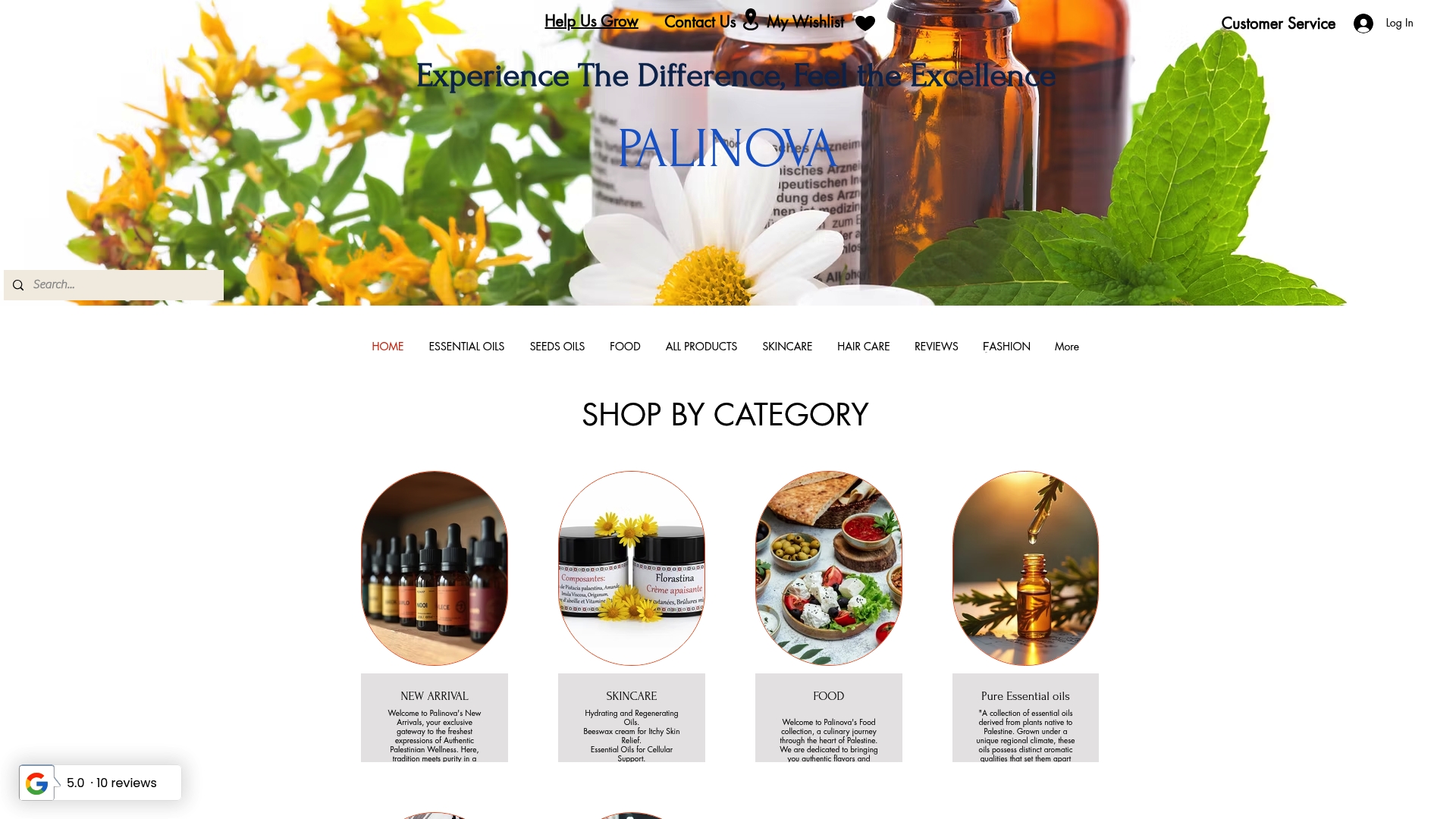
If you’re unsure which oil fits your practice, Palinova offers free aromatherapy consultations to match a scent to your specific goals, whether that’s grounding before work or winding down at night. Start by browsing the essential oils collection or trying the frankincense essential oil as a single, versatile bottle. Reach out for a free consultation before you buy, and you’ll skip the guesswork of building a blend from scratch.
Sources
FAQ
What Scent Is Best for Meditation?
There’s no single best scent since it depends on your goal: frankincense and sandalwood support focus, lavender and chamomile support calm, and vetiver or cedarwood support grounding. Most practitioners pick one anchor scent and stick with it so the brain builds a consistent association with the practice.
What Essential Oil Is Good for Spirituality?
Frankincense and palo santo are the two most commonly used oils for spiritual or ritual-style meditation, both tied historically to incense and sacred ceremony. Ylang ylang is also used for practices centered on emotional openness or self-compassion.
What Are Some Good Essential Oil Blends for Meditation?
A grounding blend of vetiver, cedarwood, and patchouli works well for scattered minds, while frankincense, sandalwood, and cedarwood support focus during longer sits. Keep blends to two or three oils maximum, since simpler combinations produce more predictable, repeatable effects.
Which Essential Oil Has the Most Calming Effect?
Lavender has the most consistent evidence behind it among commonly used oils, with NCCIH noting it can reduce anxiety in certain settings, though study quality varies. Roman chamomile and clary sage are close runners-up for a similarly relaxing effect.
How Much Does Palinova’s Essential Oil Collection Cost?
Pricing varies by product and isn’t published as a flat rate, so current prices are listed directly on the Palinova shop. A free aromatherapy consultation is available to help you choose the right oil before you buy.
Recommended


Comments