

Hydrosol Versus Essential Oil: Which Fits?

A bottle of essential oil can carry the intense aromatic force of a plant in just a few drops. A hydrosol offers something quieter: a mistable, water-based expression of that same botanical. When choosing hydrosol versus essential oil, the better option is not always the more concentrated one. It is the one that fits your skin, your space, and the ritual you want to create.
For people drawn to clean beauty and plant wisdom, understanding the difference helps turn a beautiful bottle into a more thoughtful practice. Both begin with the earth, but they arrive in your hands with very different strengths, textures, and safety considerations.
Hydrosol Versus Essential Oil: The Core Difference
Essential oils are highly concentrated aromatic extracts. Most are produced through steam distillation, where steam moves through plant material such as flowers, leaves, needles, resin, or bark. The aromatic oil that separates during this process is collected as the essential oil.
A hydrosol, also called floral water or distillate water, is the aromatic water left from that same distillation process. It contains water-soluble plant compounds and a very small amount of essential oil dispersed throughout the water. It is not simply essential oil mixed with water. A true hydrosol is created during distillation and has its own composition, scent profile, and character.
That distinction matters. Essential oil is concentrated, oil-soluble, and intended to be used in very small amounts. Hydrosol is water-based, far gentler in aroma, and often suited to direct topical misting when it has been properly produced and preserved.
Think of essential oil as a botanical concentrate and hydrosol as the plant’s softer atmospheric expression. One is built for precision. The other invites ease and repetition.
What Essential Oils Do Best
Essential oils earn their place in a wellness ritual because a little goes a long way. Their aromatic compounds are concentrated enough to transform a diffuser blend, elevate a bath when properly dispersed, or add a purposeful sensory layer to a body oil or skin care formula.
A resinous frankincense essential oil, for example, can bring a deep, meditative quality to an evening diffuser ritual. Palestinian helichrysum may offer an herbaceous, honeyed aroma that feels grounded and restorative in a carefully diluted facial or body blend. Pine oil can create the fresh, clearing impression of a walk through highland trees.
Because they are potent, essential oils call for restraint. For leave-on skin use, they should generally be diluted in a carrier oil, balm, lotion, or another properly formulated base. Applying an undiluted essential oil directly to the face or body can cause irritation, sensitization, or an allergic reaction, even with oils that are widely considered gentle.
Essential oils also do not dissolve in water. Adding drops straight to a bath, face mist, or glass of water does not distribute them safely. Oil droplets can remain concentrated and come into direct contact with the skin or mouth. For internal use, follow only a product’s explicit directions and seek qualified guidance, especially during pregnancy, while nursing, when using medication, or when managing a health condition.
When a Hydrosol Is the Better Ritual
Hydrosols are especially appealing when you want the presence of a plant without the intensity of an essential oil. Their softer aromatic profile makes them natural companions for a morning facial mist, a midafternoon reset, linens, hair, or a quiet moment before sleep.
A quality hydrosol may be used as a toner-like step after cleansing, then followed with a nourishing facial oil to help seal in moisture. For dry-feeling skin, this pairing can feel more comforting than oil alone: water-based hydration first, then an oil-rich layer to support the skin’s moisture barrier.
The experience is sensory as much as practical. A rose hydrosol may feel cooling and softly floral. A rosemary or pine hydrosol can lend a green, awakening quality to a shower ritual. A frankincense hydrosol may bring the sacred, resinous atmosphere of the tree in a lighter and more accessible form.
Still, “gentle” does not mean universally risk-free. Botanical ingredients can affect each person differently. Patch test a new hydrosol, avoid misting near the eyes, and discontinue use if your skin becomes uncomfortable. Anyone with very reactive skin should introduce one new product at a time.
Concentration Changes Everything
The practical difference between the two often comes down to concentration. Essential oils are measured in drops because their chemistry is dense. Hydrosols are usually measured in sprays or teaspoons because they are predominantly water.
This changes how they fit into daily life. An essential oil may be the right choice when you want a defined aromatic effect in a diffuser or when formulating a diluted massage oil. A hydrosol may be the better choice when you want to refresh your skin several times a day, lightly scent a pillowcase, or build a low-intensity ritual that does not fill the entire room.
Neither format is inherently more pure or more effective. Purity depends on the maker’s sourcing, distillation practices, testing, handling, and transparency. Effectiveness depends on the purpose. A concentrated essential oil cannot replace the water-based comfort of a hydrosol, and a hydrosol cannot offer the same aromatic intensity as an essential oil.
How to Choose for Skin, Home, and Aroma
For direct facial misting, a well-made hydrosol is usually the simpler starting point. Look for a product that identifies the botanical name, plant part, and distillation rather than a vague “floral water” made from fragrance and water. Hydrosols are more perishable than essential oils, so proper storage is essential. Keep them tightly closed, away from heat and direct light, and follow the maker’s guidance on shelf life. If the scent, color, or clarity changes unexpectedly, do not use it.
For a diffuser, essential oil is generally the appropriate choice. Start small. One to a few drops may be enough, depending on your diffuser size and the oil itself. A high-quality essential oil should smell alive and dimensional, not harsh or artificially perfumed.
For body care, choose based on the texture you want. Hydrosol works beautifully as the water phase of a simple ritual: mist first, then apply a carrier oil such as Barbary fig seed oil or a botanical body oil. Essential oil belongs in the formula only after appropriate dilution. If you are not making a professionally preserved product, keep homemade blends simple and make small amounts.
For linens and rooms, a hydrosol offers a restrained, intimate scent that sits close to the fabric. Essential oil in a diffuser creates a more concentrated aromatic presence. If there are children, pets, or scent-sensitive people in your household, use either format thoughtfully, with ventilation and moderation.
The Question of Origin and Quality
A plant’s origin shapes its aromatic story. Soil, altitude, rainfall, harvest timing, and local cultivation knowledge can all influence a botanical’s profile. This is why provenance is more than a romantic detail. It is part of what gives an oil or hydrosol its distinctive identity.
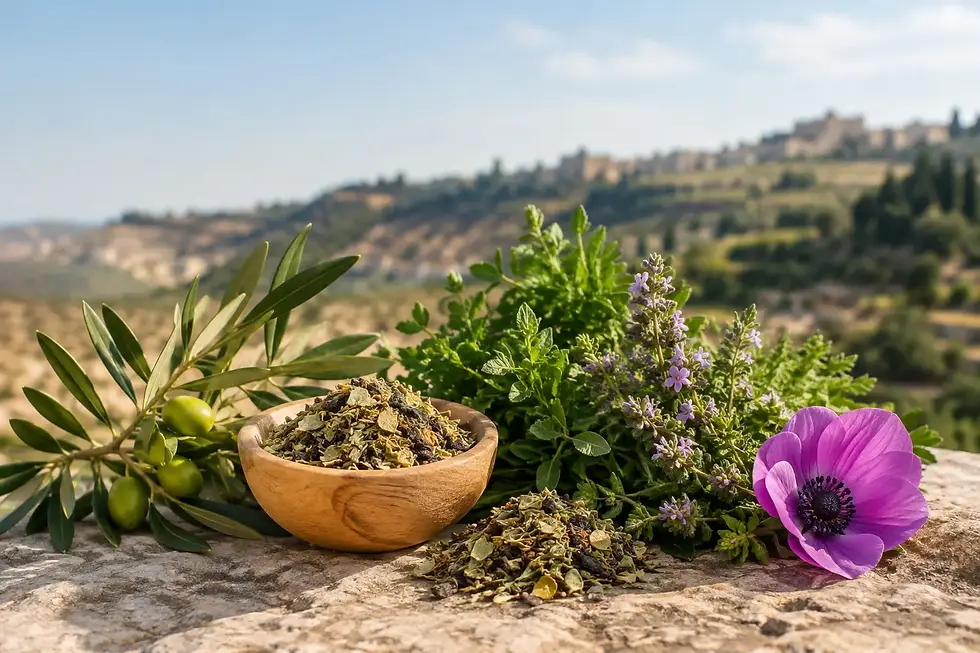
Palestinian botanicals carry that sense of place with particular depth. Wildcrafted and region-specific plants such as frankincense, Origanum syriacum, helichrysum, and pine reflect landscapes shaped by sun, stone, cultivation, and generations of practical knowledge. At PALINOVA, that connection to the land is central: the plant is not treated as a generic ingredient, but as a gift of a specific soil and community.
When evaluating any aromatic botanical, ask straightforward questions. Is the botanical clearly named? Is the plant material and country or region of origin identified? Is the product presented as a true hydrosol, a pure essential oil, or a fragranced water? Does the company offer transparent use guidance? These details help you choose with more confidence than marketing language alone.
Let the Ritual Set the Strength
There is no need to treat hydrosol and essential oil as competing products. They can be complementary parts of the same botanical ritual. Begin the day with a gentle hydrosol mist, then use a properly diluted essential oil blend in a pulse-point oil or diffuser when you want a fuller aromatic experience. Let the water-based layer refresh; let the concentrated layer deepen the mood.
The most meaningful choice is often the one you will use with care. A hydrosol can make a few quiet seconds of self-care feel attainable. An essential oil can turn an ordinary room into a place of pause, memory, and restoration. Choose the strength that meets you where you are, and let every drop honor both your senses and the land that made it possible.
Comments