
15ml Keeps Essential Oils Potent: Why Small Bottles Work

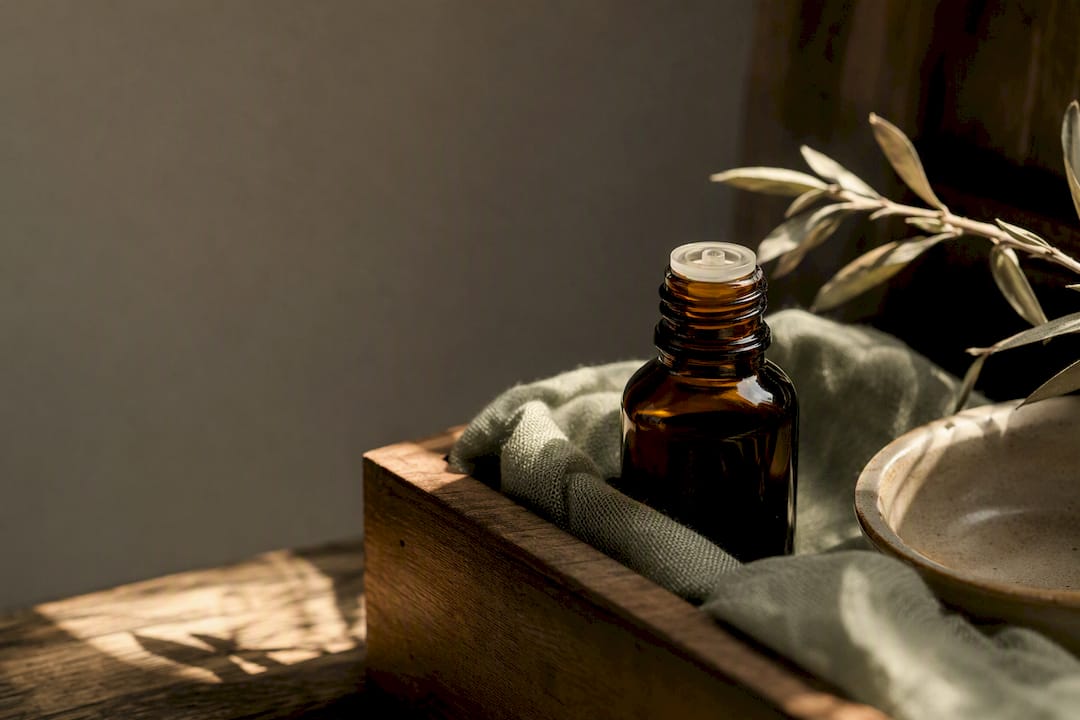
Small, dark bottles slow oxidation, block the light that degrades volatile compounds, and cut headspace, the air pocket sitting on top of the oil. Together those factors preserve potency far longer than a large clear container would, which is why 15ml has become the industry’s retail sweet spot. Palinova packages its botanicals in dark glass sized to match how quickly people actually use them.
TL;DR:
Smaller bottles of 5 to 10ml are best suited for citrus oils that degrade quickly, while resins and woods can be stored in larger sizes up to 30ml.
Dark glass bottles, especially amber or cobalt, effectively block UV light, preventing photodegradation and preserving potency longer.
Reusable reducer inserts, dropper systems, and solid cap liners minimize oil exposure to oxygen and contaminants, extending shelf life after opening.
Storage in cool, dark areas at stable temperatures between 57°F and 68°F significantly slows chemical deterioration over time.
Buying only what you will use within a few months and transferring bulk oils into small bottles immediately keeps potency stable and reduces waste.
Table of Contents
How Oxidation and Headspace Shorten Essential Oil Shelf Life
Oxidation happens when oxygen molecules react with the volatile compounds in an essential oil, breaking down the aromatic terpenes and altering both scent and therapeutic value. Every time you open a bottle, air rushes in to fill the space above the liquid, called headspace. A nearly full 10ml bottle has far less headspace than a half-empty 100ml one, so it loses far less oil to oxygen contact over its lifetime.
Heat speeds the reaction up. Light, especially UV wavelengths, speeds it up further by breaking molecular bonds directly. That’s the real reason oils sold in large volumes tend to sit longer, get opened more times, and degrade faster than oils bought in amounts people can use up quickly.
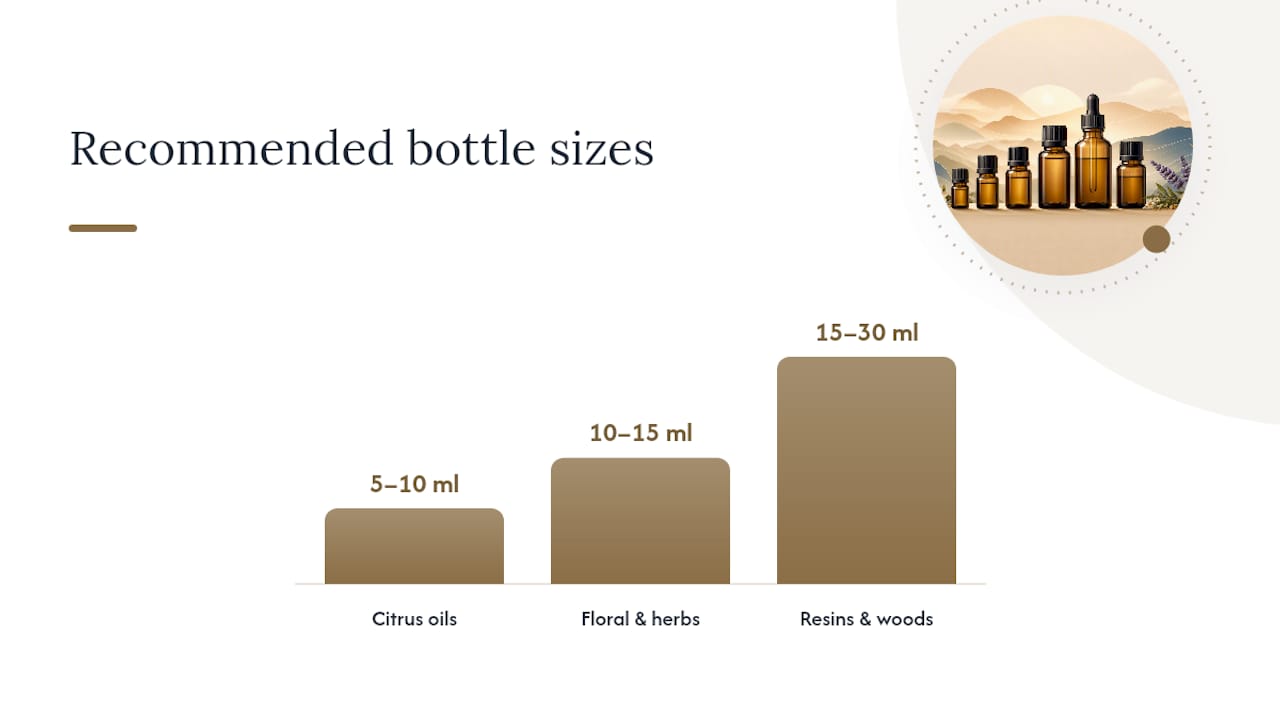
Not every oil oxidizes at the same rate. Citrus oils like lemon, orange, and bergamot are among the fastest to degrade because their chemical structure is rich in unstable terpenes. Resins and woods, think frankincense or sandalwood, hold up much longer thanks to heavier, more stable molecules. That difference alone should shape which bottle size you buy:
Citrus oils (lemon, orange, grapefruit): oxidize fastest, best in small 5 to 10ml bottles used within 6 to 12 months.
Floral and herbaceous oils (lavender, rosemary): moderate stability, fine in 10 to 15ml bottles.
Resins and woods (frankincense, sandalwood, myrrh): slowest to oxidize, tolerate larger 15 to 30ml bottles.
Shelf life snapshot: Unopened, most essential oils in properly sealed dark glass last 1 to 2 years, with resins and woods stretching well beyond that. Once opened, oxidation accelerates almost immediately, and potency drops noticeably faster within months rather than years. That gap between “sealed” and “opened” is the entire argument for buying smaller bottles you’ll actually finish.
What Bottle Design Actually Protects Your Oils
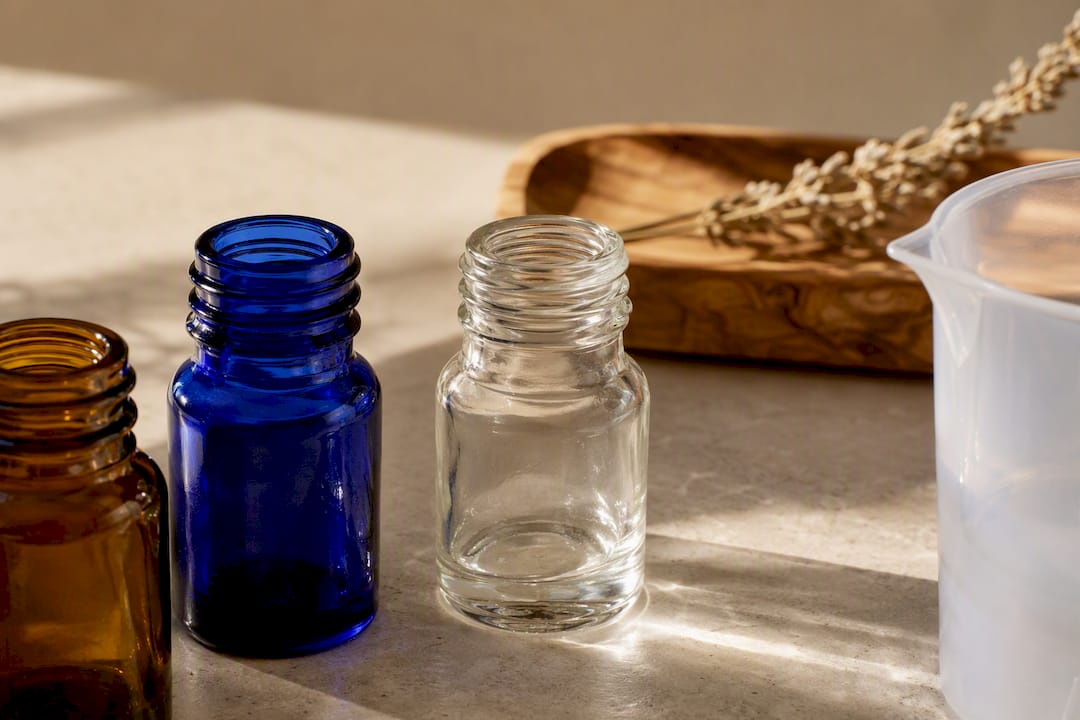
Glass color isn’t cosmetic. Amber and cobalt glass filter out the UV and visible light wavelengths that accelerate photodegradation, while clear glass or plastic lets that light straight through to the oil. Plastic carries a second problem: many essential oils, especially citrus and other high-terpene oils, are potent enough to slowly break down plastic polymers, leaching compounds both ways. That’s why herbal suppliers steer buyers toward glass for anything meant to last more than a few weeks.
The cap and insert matter just as much as the glass. A reducer insert, that small plastic disc with a pinhole sitting inside the neck, limits how much air enters with each use and controls the oil to a slow, deliberate drop rather than a splash. Dropper systems do similar work for oils people dilute often, letting you count doses without unscrewing a cap and exposing the whole bottle to open air. Packaging suppliers point to reducer inserts and dropper systems as the main defense against both contamination and oxygen exchange.
A few other features worth checking before you buy:
Cap lining: a solid inner seal without gaps prevents slow evaporation between uses.
Tamper bands: signal the bottle hasn’t been opened before it reaches you, which matters for anything you’re trusting on your skin.
Wall thickness: heavier glass resists temperature swings better than thin glass, keeping the oil more stable in transit and storage.
Pro Tip: Hold a bottle up to a bright window. If you can see the oil’s color clearly through amber or cobalt glass, the tint may be too light to block UV effectively, look for a deeper, opaque shade instead.
What Bottle Size Should You Actually Buy?
Bottle size should match how often you’ll use an oil, not how good a bulk deal looks. Here’s a rough breakdown of what each size range is actually built for:
1 to 3ml sample bottles: for testing a new oil or trying an unfamiliar scent before committing to more, holding roughly 20 to 50 drops.
5 to 10ml travel sizes: ideal for occasional use, diffuser blending, or oils you use a few times a month, offering around 100 to 170 drops.
15ml retail bottles: the most common standard size, holding roughly 250 to 300 drops, suited to regular household or personal use.
30ml and larger: reserved for daily diffuser users, aromatherapy practitioners, or anyone making their own diluted blends at volume.
Bulk buying only saves money if you’ll actually use the oil before it fades. Buyer guidance from packaging suppliers suggests thinking in monthly use: someone going through 2 to 4ml a month will empty a 15ml bottle in a few weeks, which makes it the better buy over a 60ml bottle that sits half full for a year. If you do buy in bulk for cost savings, plan to transfer the oil into smaller bottles right away rather than repeatedly opening the large one.
How to Store Essential Oils So They Actually Last
Storage location matters almost as much as the bottle itself. Cool, dark cabinets or drawers beat bathroom shelves and windowsills every time, since bathrooms trap humidity and heat from showers, and windowsills expose bottles to direct sunlight all day. A stable room temperature, ideally somewhere between 57°F and 68°F, keeps the chemistry inside the bottle calm.
Handling habits do the rest of the work:
Tighten caps fully after every use. A loose cap left overnight can measurably increase headspace exposure.
Keep reducer inserts and dropper tips clean. Touching them to skin or other surfaces introduces bacteria into the bottle.
Label the date you opened each bottle. Tracking when oils go stale is nearly impossible without it.
Store bottles upright to keep oil away from the cap seal, reducing slow leakage.
That leaves minimal headspace without risking overflow from thermal expansion, and it means using clean glass tools, not plastic, to avoid the same degradation risk plastic bottles carry.
Pro Tip: Buy a handful of empty 5ml amber bottles specifically for transfers. It costs a few dollars and turns one bulk purchase into several properly sealed, slow-degrading portions instead of one bottle you’ll open fifty times over a year.
How Palinova Applies These Preservation Principles
Palinova bottles its botanicals in small, dark glass containers to reduce headspace and light exposure, preserving potency. That choice extends through sourcing, with oils and seed oils ethically harvested and packaged to protect their quality.
Picking the right size or dilution isn’t always obvious, especially for oils you’ve never used before. There are options to help customers choose appropriate bottle sizes and concentrations, such as aromatherapy consultations.
Guidance on dilution ratios so a 10ml bottle translates into a safe, specific number of drops for skin or diffuser use.
Storage advice tailored to specific oils, since a resin like frankincense and a citrus oil don’t degrade on the same timeline.
Consultations can assist in selecting bottle sizes suited to individual use, especially for specialty oils.
A Buyer’s Checklist for Getting This Right
Buy small if you use an oil occasionally, buy larger only if you’ll realistically finish it within a few months. That’s the whole calculation, once you strip away the marketing around bulk savings.
Beyond size, two habits do most of the preservation work: favor amber or cobalt glass over anything clear or plastic, and if you do buy in bulk, schedule the transfer into smaller bottles immediately rather than “getting to it later.” Later usually means several months of unnecessary oxidation.
If you’re buying a specialty oil you haven’t worked with before, particularly one with photosensitivity concerns like certain citrus oils, a short consultation before a large purchase saves both money and disappointment. Small choices at checkout compound into a real difference in how long a bottle stays useful.
— abdelmuhsen
Shop Palinova’s Small-Batch Oils and Book a Free Consultation
Essential oils and seed oils are bottled in dark glass sized for typical usage to help ensure they are used before potency fades. Most people do best starting with a 10ml bottle for a new oil and moving to larger sizes only once they know how fast they go through it.
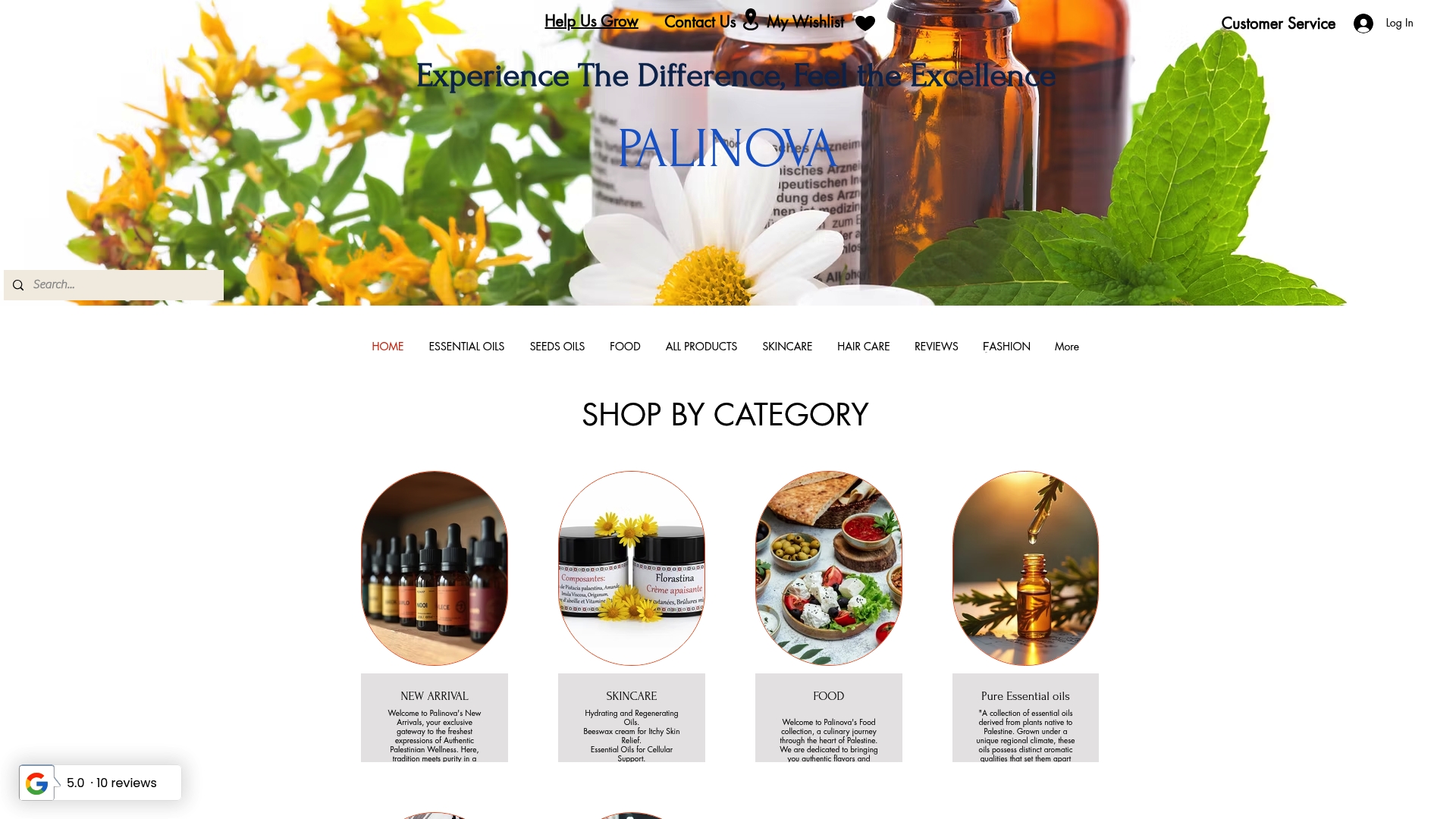
Specialty oils like Achillea Fragrantissima and the Origanum Syriacum (Za’atar) essential oil ship in these smaller, protective formats specifically so their potency holds up through shipping and storage. Free aromatherapy consultations are available to help determine suitable size and dilution based on usage patterns. The oils are sourced from Palestinian farms and artisans, contributing to the preservation of agricultural heritage. Browse the full essential oils and seed oils collection and book a consultation before your next order.
Sources
FAQ
What Is the Most Common Essential Oil Bottle Size?
The 15ml bottle is the industry standard for retail, holding roughly 250 to 300 drops. It balances enough supply for regular use with a low enough volume that most people finish it before it degrades.
How Can You Tell If an Essential Oil Is High Quality?
Check that it’s packaged in amber or cobalt glass rather than clear glass or plastic, since that signals the seller understands oxidation risk. Also look for clear sourcing information and a reducer insert or dropper for controlled dosing, both signs of a brand invested in preservation, not just presentation.
Should Essential Oils Be Stored in Glass Bottles?
Yes. Glass, specifically dark amber or cobalt glass, blocks the UV light that speeds up photodegradation and doesn’t react chemically with the oil the way plastic can over time. Plastic is generally avoided for anything meant to last more than a few weeks.
Does Palinova Sell Essential Oils in Small Bottles?
Yes, Palinova packages its Palestinian essential oils and seed oils in small, dark glass bottles designed to limit light and air exposure. Current pricing and available sizes are listed on the Palinova shop page.
Why Do Essential Oils Lose Potency Faster Once Opened?
Opening a bottle introduces air into the headspace, and that oxygen reacts with the oil’s volatile compounds every time the cap comes off. This is why opened oils degrade noticeably faster than sealed ones, which is the core reason for buying a size you’ll use up within a few months.
Recommended


Comments