
The Science of Soothing: How Anise and Fennel Oils Impact IBS
- Palinova

- Mar 9
- 1 min read
Updated: Mar 13

Anise seeds oil (Pimpinella anisum) is particularly noted for its high concentration of anethole. In clinical settings, it has shown remarkable success in reducing the "global" severity of IBS symptoms.
Clinical Evidence: A 2016 randomized controlled trial published in the Journal of Ethnopharmacology found that 75% of patients using enteric-coated anise oil capsules (200 mg) were free from most IBS symptoms after four weeks. This outperformed both the placebo and peppermint oil groups.
Targeting All Subtypes: Research suggests anise oil is effective for all types of IBS (Constipation-predominant, Diarrhea-predominant, and Mixed), helping to regulate transit time and reduce abdominal discomfort.
2. Fennel Seed Oil: The Antispasmodic Powerhouse
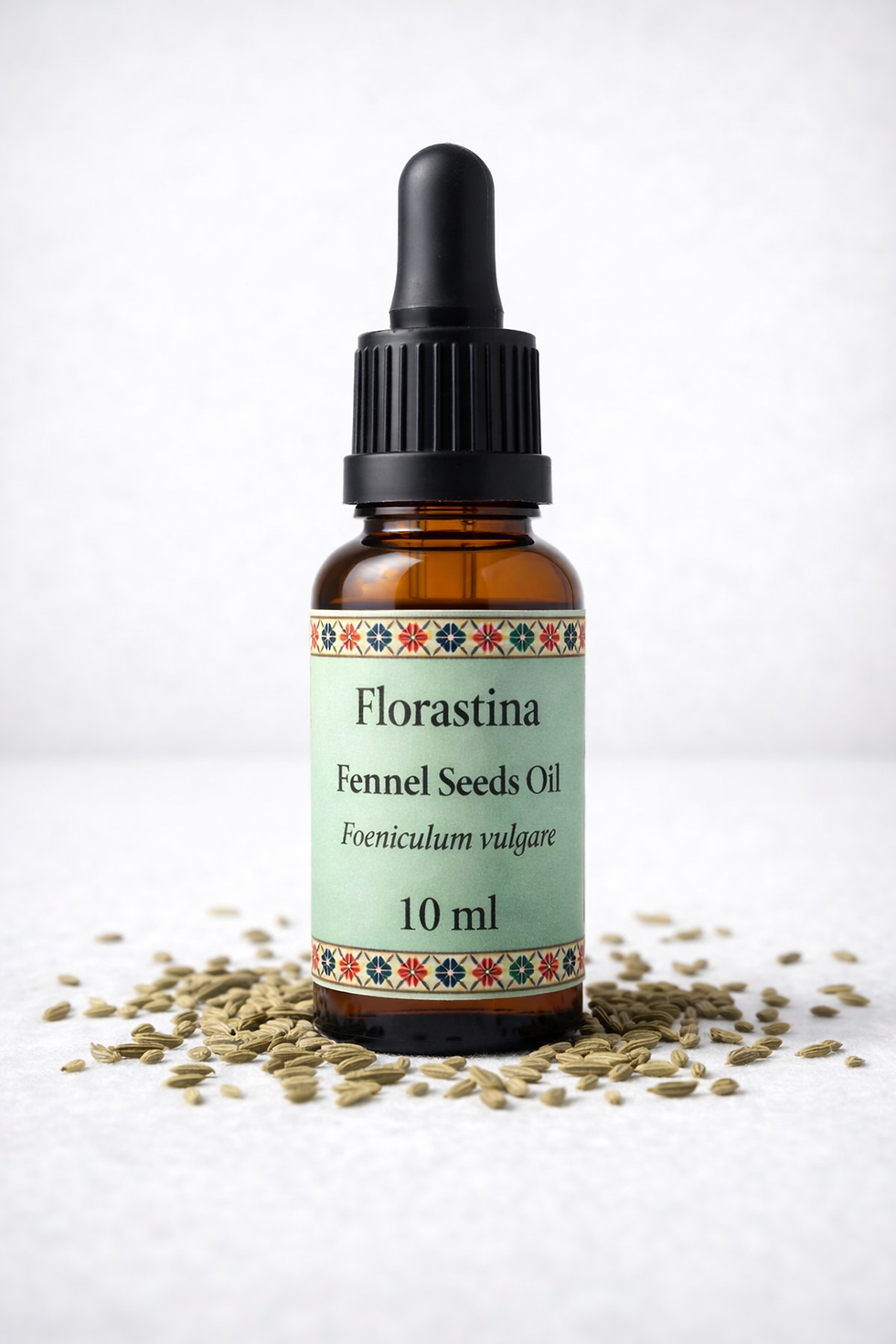
Fennel oil (Foeniculum vulgare) is a "go-to" for the sharp pain and bloating that often accompany IBS flares.
Muscle Relaxation: Fennel acts as a powerful antispasmodic. It works by inhibiting smooth muscle contractions in the gut, which directly reduces the "cramping" sensation.
Synergy with Curcumin: Several studies have looked at the combination of fennel oil and curcumin (the active compound in turmeric). One study involving 121 patients showed that this combination significantly improved the "Quality of Life" scores and reduced abdominal pain within just 30 days.


Comments