
Spot Fakes: 10 Rare Palestinian Essential Oils and How to Verify Them
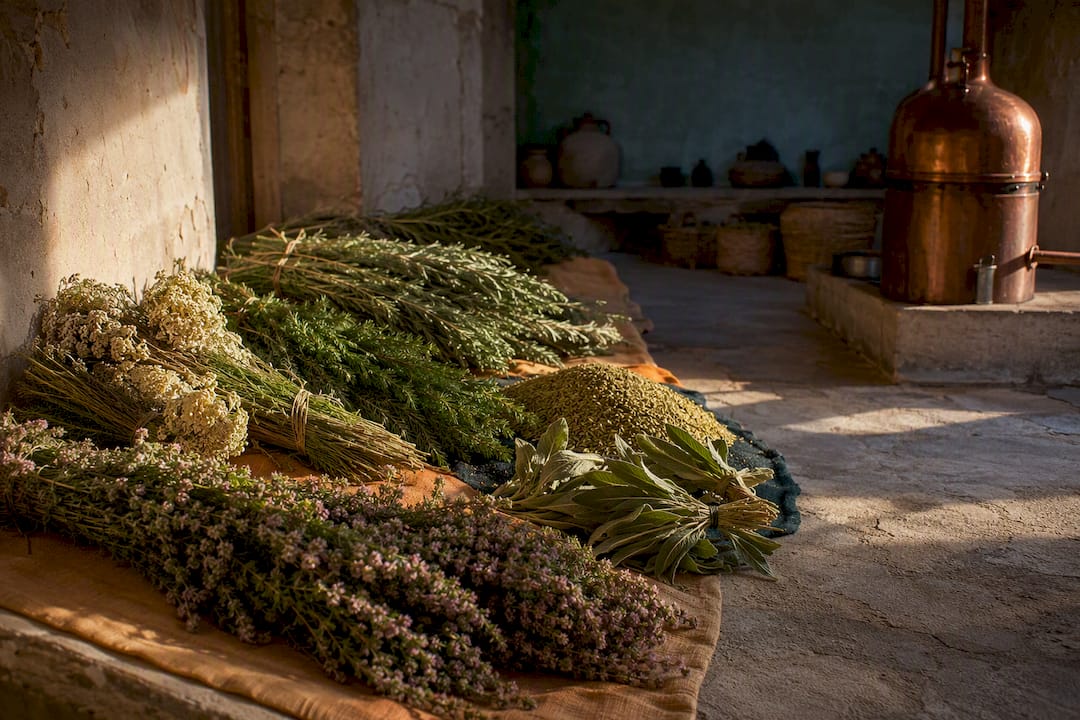
This guide covers 10 rare Palestinian essential oils and seed oils worth knowing, from Barbary Fig seed oil to wildcrafted cypress, none of them olive oil. Each entry includes the botanical name, its standout benefit, and how to spot the real thing versus a diluted knockoff. What follows also covers dilution ratios, storage, and how to buy without getting scammed.
TL;DR:
Authentic Palestinian oils should have a full botanical Latin name, specific extraction details, batch numbers, and lab reports to verify purity.
Barbary Fig seed oil is high in vitamin E and linoleic acid but is costly due to low seed yield, so suspiciously cheap options are likely adulterated.
Essential oils like Origanum syriacum and cypress vary in quality depending on distillation methods and harvest season, affecting their potency and consistency.
Dilution ratios for topical use range from 0.25% to 5%, depending on the oil type and application area, with patch testing recommended before full use.
Buying from reputable suppliers with transparent sourcing, certifications, and clear labeling prevents purchasing diluted or fake Palestinian oils.
Table of Contents
The 10 Rare Palestinian Essential Oils Worth Knowing
Palestine’s terrain, from the coastal plains to the arid hill country, produces botanicals that rarely make it into mainstream skincare aisles. Ethnobotanical field surveys have cataloged a large number of plant species used medicinally across the West Bank and Gaza, and a separate field study identified many of those species as specifically applied to skin and wound issues, according to BERC’s national inventory. The ten oils below draw from that tradition and represent what is actually available as seed or essential oil, not culinary pressing.
Barbary Fig (Prickly Pear) Seed Oil — Pressed from Opuntia ficus-indica seeds, this is the most prized oil on this list and for good reason. It runs unusually high in vitamin E and linoleic acid, and recent chemical profiling confirms a strong tocopherol and phenolic content that backs its reputation for antioxidant and cosmetic potential. Because of the low oil yield from seeds, it requires a large amount of prickly pear fruit to produce a single liter of oil, which explains its premium price and why Palinova’s Barbary Fig Oil is sold in small, concentrated bottles rather than bulk.
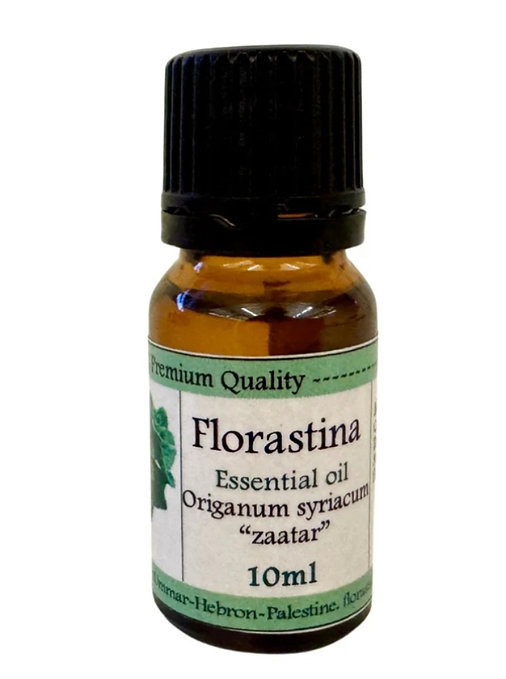
Origanum syriacum (Palestinian Za’atar) Essential Oil — Distilled from the same wild thyme relative used in the culinary spice blend, this essential oil concentrates the plant’s phenolic compounds, mainly carvacrol and thymol. It is used in low-dilution topical blends for its warming, clarifying scent profile, and quality varies enormously by distiller, so checking sourcing before buying matters more here than with almost any other oil on this list.
Achillea Fragrantissima Essential Oil — Known locally as “qaysoum,” this yellow-flowered plant grows wild across the Jordan Valley and southern hill regions. Its essential oil carries calming, anti-inflammatory qualities that align with traditional use for skin irritation, and lab screening of related Palestinian plant extracts has shown activity against acne-associated bacteria in vitro.
Wildcrafted Cypress Essential Oil — Steam distilled from Mediterranean cypress needles and cones, this oil brings a resinous, grounding aroma that blends well in facial toners and scalp treatments. Because it is wildcrafted rather than farmed, batch consistency depends heavily on harvest season, so buying from a source that lists distillation dates matters.
Fennel Seed Oil — Cold-pressed or lightly distilled from Foeniculum vulgare seeds, fennel oil doubles as a digestive-support ingredient when used internally in small amounts and a skin-soothing agent topically. It is one of the plants documented in regional home-remedy surveys for combined internal and topical use.
Geranium Essential Oil — A workhorse in Palestinian aromatherapy blends, geranium balances oil production and carries a rosy, green scent that makes it popular in facial serums. It pairs naturally with carrier oils higher in linoleic acid, which is one reason Palinova pairs it in application guides with other seed oils rather than using it alone.
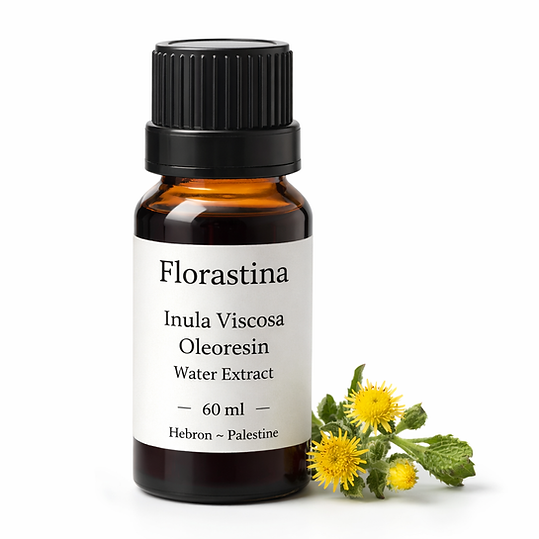
Inula Extract Oil — Used in traditional skincare preparations for its soothing properties, Inula shows up most often blended into finished creams rather than sold as a standalone essential oil, since its extraction profile suits formulation over direct application.
[
Sage (Salvia) Essential Oil — Wild sage grows across Palestinian hillsides and has a long documented history in local herbal medicine for scalp and hair applications, showing up repeatedly in ethnopharmacological surveys of home remedies for hair and scalp treatment.
Rosemary Essential Oil (Palestinian Wildcrafted) — Rosemary is one of the most frequently cited plants in regional hair-care surveys, typically infused into oil mixtures rather than used as a single-note essential oil, reflecting how Palestinian households have historically blended botanicals rather than isolated them.
Carob Seed Oil — Pressed from carob tree seeds native to the eastern Mediterranean, this oil is uncommon even within niche skincare circles. It carries a mild, nutty profile and works as an emollient base oil, though supply is limited because carob seed processing for oil is not yet common at commercial scale.
How Do You Use These Oils Safely?
Potency varies wildly across this list, so dilution has to match the oil and the application site, not a single blanket rule.
Face application: Dilute essential oils like Achillea or Origanum syriacum to 0.25 to 1% in a carrier oil. That is roughly 1 to 4 drops per teaspoon of carrier.
Body application: A 1 to 3% dilution works for larger areas like arms or torso, where skin is less reactive than the face.
Scalp application: Rosemary, sage, or cypress can go up to 3 to 5% in scalp oil blends, since hair follicles tolerate higher concentrations than facial skin.
Patch test first: Apply diluted oil to the inner forearm and wait 24 to 48 hours before using it anywhere else. Redness, itching, or bumps mean stop and skip that oil.
Flag high-risk situations: Pregnant readers, anyone with epilepsy, and infants or young children should talk to a doctor before using concentrated essential oils, since several common oils are contraindicated in those groups.
A simple nightly routine looks like this: 2 to 3 drops of Barbary Fig seed oil mixed directly into your regular night moisturizer, applied after cleansing. Seed oils like Barbary Fig are generally gentler than volatile essential oils, since they deliver fatty acids rather than concentrated aromatic compounds.
Pro Tip: Start any new oil at half the suggested dilution for the first two weeks. Your skin barrier adjusts to unfamiliar fatty acid profiles gradually, and starting light avoids the breakout-then-panic cycle a lot of first-time users hit with unfamiliar oils.
How Do You Verify Authentic Palestinian Sourcing?
Palestinian botanicals are having a moment in wellness circles, and that popularity has created room for mislabeled or diluted products riding on the name without the substance behind it.
Run through this before buying:
Ask for a Certificate of Analysis or GC/MS report. A legitimate supplier can produce lab data showing the oil’s chemical profile, not just a label claim.
Confirm extraction method. Cold-pressed seed oils and steam-distilled essential oils behave differently. A seller who cannot say which method they used probably does not know.
Check for the full botanical name. “Palestinian oil” with no Latin species name is a red flag; legitimate sellers list it as Opuntia ficus-indica or Origanum syriacum, not a vague regional label.
Look for batch numbers and harvest dates. Wildcrafted oils especially should carry batch-specific information since potency shifts season to season.
Ask about sourcing partnerships. Ethical suppliers typically describe direct relationships with growers or wildcrafters rather than vague “sourced from the Mediterranean” language.
A price that looks too good for Barbary Fig seed oil is the biggest tell of adulteration. Given how labor-intensive extraction is, since seeds represent only a small fraction of the fruit, a bargain price almost always means the “seed oil” is actually a cheaper macerated version. Surveys of Palestinian skincare buyers show growing demand for transparency around purity and sourcing, and that instinct is the right one to trust.
How Long Do These Oils Stay Fresh?
Shelf life depends on chemistry, not just age on the shelf.
Essential oils (Origanum syriacum, Achillea, cypress, geranium) generally last 2 to 5 years unopened, though citrus-leaning aromatics degrade faster than resinous ones like cypress.
Seed oils high in unsaturated fat, like Barbary Fig, run a shorter 6 to 18 months once opened because their linoleic acid content is prone to oxidation.
Store everything in amber or blue glass, away from heat and direct light, and buy smaller bottles you will actually finish within a few months.
Adding a vitamin E stabilizer helps protect high-linoleic oils from going rancid faster, a step formulators increasingly recommend for Opuntia seed oil specifically.
Rancid oil smells sour or like old crayons instead of its usual aroma. If it smells off, throw it out.
This section discusses an approach to sourcing these oils, focusing on sustainable and ethical methods rooted in Palestine’s agricultural heritage.
Products are formulated without synthetic additives, keeping the seed and essential oil profiles close to their traditional form.
The Barbary Fig Seed Oil line is highlighted for its anti-aging effects, consistent with the vitamin E and linoleic acid profile covered above.
Product pages for Wildcrafted Cypress, Achillea Fragrantissima, Fennel Seed, Geranium, and Inula-based skincare correspond directly to entries covered in this guide.
Aromatherapy consultations can help buyers match specific oils to their skin type or wellness goal.
Why This Tradition Deserves More Than a Passing Trend
Palestinian oil traditions were not built for the wellness market. They came from generations of households solving real problems, hair loss, dry winters, irritated skin, with what grew nearby. Treating that knowledge as disposable trend fodder misses the point. The BERC inventory that documents these plants also flags a real conservation concern: a meaningful share of the wild species it catalogs face pressure from habitat loss, which means sourcing ethically is not optional if this tradition is going to still exist for the next generation to draw from.
— abdelmuhsen
Ready to Try an Authentic Palestinian Oil?
If you have gotten this far, you already know the risk with rare oils: paying a premium price for something that is not actually what the label claims. Palinova sells the specific oils covered in this guide, sourced and labeled the way the checklist above recommends, so you are not left guessing between a supplier’s claim and a lab report.
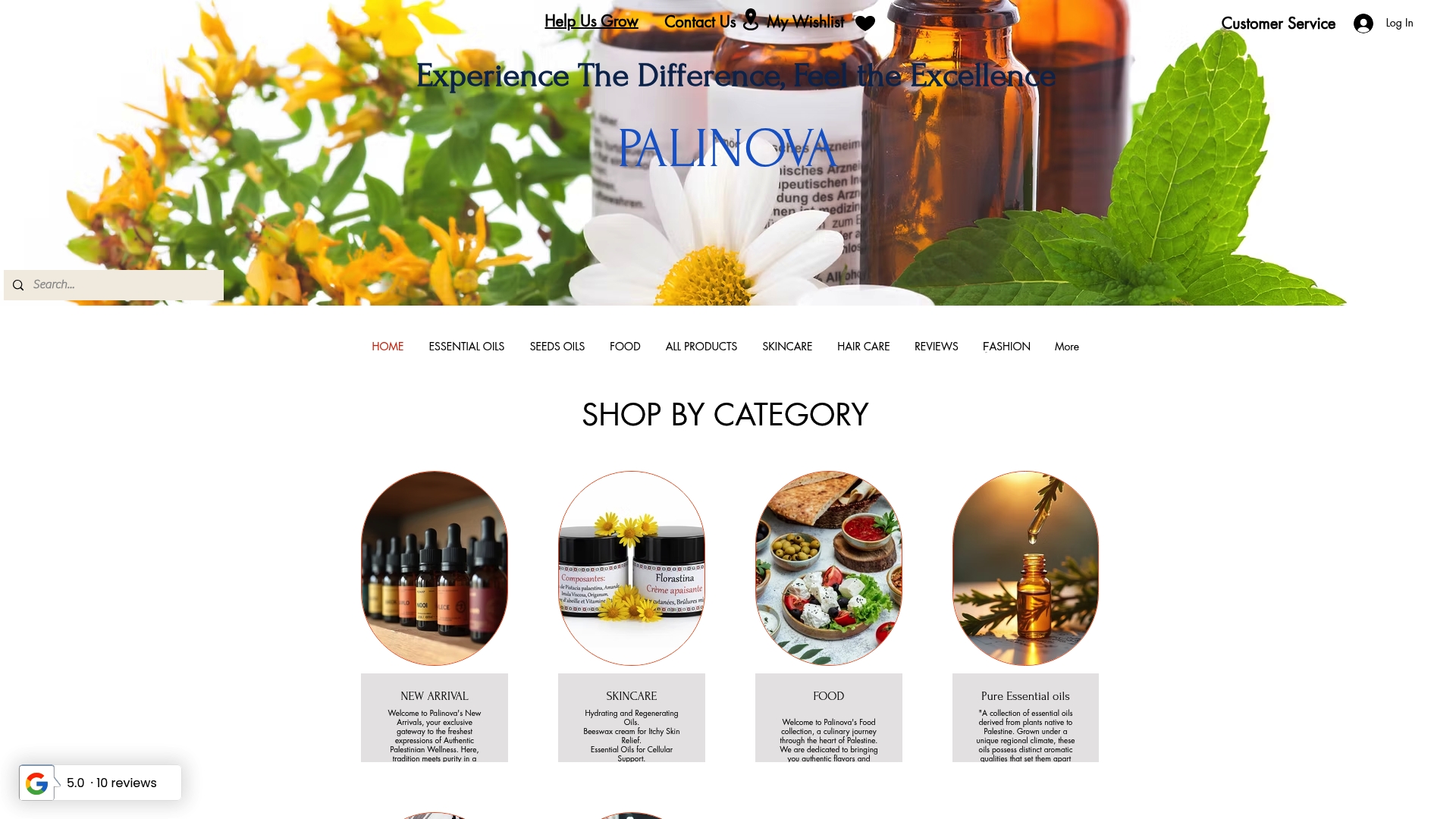
Start with one oil rather than building an entire routine at once. The Barbary Fig Oil is the most requested entry point given its vitamin E content and anti-aging use case, but if scalp or hair care is your priority, the Achillea Fragrantissima Essential Oil or Fennel Seed Oil may fit better. Ask for the Certificate of Analysis before you buy, and consider booking a free aromatherapy consultation to get a recommendation matched to your skin rather than picking blind. Browse the full Palinova skincare line to see how these oils show up in finished creams and serums, or head to the Barbary Fig product page to place your first order.
Sources
FAQ
What makes an essential oil “rare” versus common?
Rarity usually comes down to limited growing regions, low extraction yield, or minimal commercial distillation, all three of which apply to oils like Barbary Fig seed oil and wildcrafted Palestinian cypress.
Is Barbary Fig seed oil the same as prickly pear oil?
Yes, Barbary Fig and prickly pear both refer to Opuntia ficus-indica, and the seed oil pressed from either name carries the same high vitamin E and linoleic acid profile.
Can I use these oils if I am pregnant?
Some essential oils, including several covered here, carry pregnancy cautions, so check with a doctor before using any new essential oil while pregnant or nursing.
How do I know if a Palestinian oil is authentic?
Look for the full botanical name, extraction method, batch number, and ideally a Certificate of Analysis or GC/MS report rather than a vague country-of-origin claim.
Where can I buy authentic Palestinian essential oils?
Some vendors offer Barbary Fig seed oil, wildcrafted cypress, Achillea Fragrantissima, fennel seed, geranium, and Inula-based skincare sourced directly from Palestinian growers and wildcrafters.
Recommended
A Guide to the Healing Properties of Palestinian Essential Oils
Where to Find Authentic Palestinian Origanum syriacum Essential Oil (and Why Quality Matters)
Where to Find Authentic Palestinian Origanum syriacum Essential Oil (and Why Quality Matters)
Where to Find True Palestinian Origanum syriacum Essential Oil


Comments