
Essential Oils Soothing Cream: Safe Recipes and Best Picks

TL;DR:
Adding essential oils to a soothing cream is safe when diluted at 1 to 2 percent for adults. Palinova Soothing Cream, containing Barbary Fig Seed Oil and Geranium oil, targets irritated and itchy skin with a natural approach. Proper dilution, patch testing, and ingredient transparency are essential for safe and effective skin calming.
Yes, adding essential oils to a soothing cream is safe and effective when you follow a safe dilution ratio for adults. That means a few drops of essential oil per ounce (30 g) of cream base. Skip the math if you’d rather skip the DIY: Palinova Soothing Cream is a ready-made option built around Barbary Fig Seed Oil, beeswax, and Geranium essential oil, formulated specifically for itchy and irritated skin.
Table of Contents
What does a soothing cream with essential oils actually do?
A soothing cream with essential oils is more than a standard moisturizer. A plain moisturizer hydrates. A soothing cream with essential oils adds phytochemical compounds that can calm inflammation, reduce redness, and support the skin’s barrier, while the aromatherapy component works through scent receptors to lower stress responses. The natural approach to skin comfort matters most for people whose skin needs more than hydration.
Who benefits most:
Adults with dry, itchy, or eczema-prone skin looking for daily relief
People recovering from post-sun irritation or minor rashes
Anyone with sensitive skin who reacts to synthetic fragrances or harsh preservatives
Older adults whose skin barrier has thinned with age
Age and pregnancy caveats apply. Children under 2 and pregnant or nursing people need specific oil choices and lower dilutions. Those details are in the dilution table below.
Common use cases: everyday calming after a shower, overnight barrier repair, targeted flare-up relief, and a pre-sleep ritual that combines skin care with aromatherapy.
How essential oils and carrier bases work together on your skin
Essential oils act through two pathways: topical absorption of phytochemicals (terpenes, esters, phenols) that interact with skin receptors, and inhalation of volatile molecules that trigger the limbic system’s calming response. Neither pathway works as well without a good carrier base.
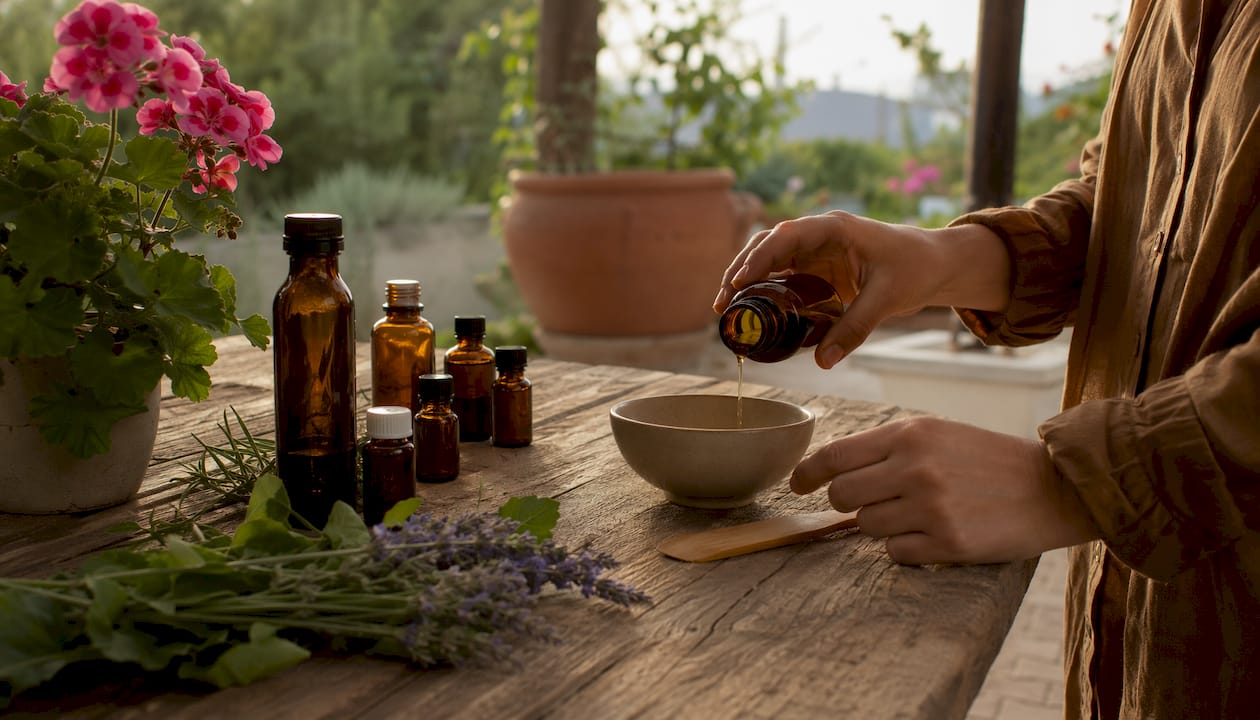
Carrier oils like Barbary Fig Seed Oil are rich in linoleic acid and antioxidant vitamins, which support barrier repair without heavy occlusion. That fatty-acid profile makes it especially useful for inflamed or aging skin. Beeswax adds a protective, occlusive layer that slows water loss without blocking pores. Together, they slow the evaporation of essential oil molecules, extending both skin contact time and the aromatherapy effect.
Palinova also offers other Palestinian botanical carrier oils, including Sumac Seed Oil, which broadens the formulation options for different skin types. Fragrance strength and oil volatility matter here: highly volatile top notes (like citrus) evaporate quickly and deliver less sustained skin contact, while middle and base notes (like Geranium or Frankincense) stay on skin longer and tend to be gentler.
Which essential oils are safe for soothing, and which should you avoid?
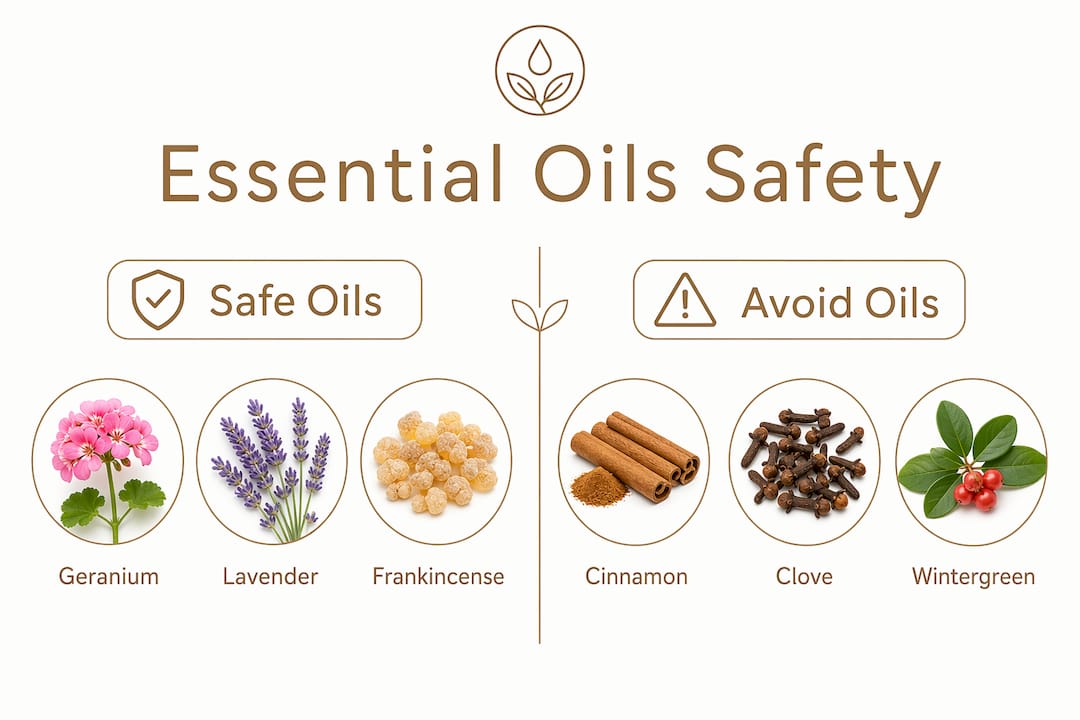
Geranium, Lavender, and Frankincense are the three most reliable choices for a calming cream with essential oils. Geranium (Pelargonium graveolens) balances sebum, reduces redness, and has a low sensitization profile. Lavender is the most studied calming oil and suits nearly every skin type. Frankincense supports barrier repair and works well for mature or stressed skin.
Oil | Use | Dilution (adult body) | Notes |
Geranium | Calming, redness | recommended low dilution | Low sensitization risk |
Lavender | General soothing | recommended low dilution | Safe for most adults |
Frankincense | Barrier repair | recommended low dilution | Avoid in first trimester |
Bergamot (FCF only) | Brightening, calming | low recommended dilution | Use only furocoumarin-free (FCF) version |
Facial use (any oil) | Targeted | low recommended dilution | Lower concentration for face |
Children (2+ yrs) | Lavender only | lower dilution recommended | Avoid most other oils |
Pregnant/nursing | Lavender (2nd/3rd trimester) | low dilution recommended | Consult a provider first |
Oils to avoid or use with caution:
Bergamot (standard): phototoxic; causes burns and pigmentation in sunlight unless FCF-labeled
Clove, cinnamon bark, oregano: high-phenol oils with strong sensitization potential; can cause chemical burns at typical use levels
Lemon, lime, grapefruit (cold-pressed): phototoxic citrus oils; steam-distilled versions are safer but still require low dilution
Peppermint: avoid entirely on children under 6 and near the face; menthol can cause breathing issues
How to safely add essential oils to a soothing cream
You can safely add essential oils to a base cream when you stay at 1–2% dilution and complete a patch test first. Here is a simple recipe and method for a 30 g jar.
Quick dilution formula: 1% dilution equals a few drops per 30 g of base, with a proportional increase for higher dilution.
Simple DIY recipe (30 g jar):
30 g unscented cream base or Palinova Barbary Fig Seed Oil blended with beeswax
6–12 drops Geranium or Lavender essential oil (1–2%)
Optional: 3 drops Frankincense for added barrier support
Step-by-step method:
Sterilize your glass jar and mixing spatula with rubbing alcohol; let dry completely.
Measure your cream base into a clean bowl.
Count your drops carefully into a separate small dish before adding to the base.
Fold the drops into the base with the spatula. Do not shake vigorously; this introduces air and shortens shelf life.
Transfer to the sterilized jar, seal tightly, and label with the date and oil names.
Store in a cool, dark location and use within a few months; discard sooner if the scent changes or the texture separates.
Patch test steps: Apply a pea-sized amount to the inner forearm. Cover loosely and wait 24–48 hours. Look for redness, itching, swelling, or blistering. If any of those appear, wash the area with mild soap and water and do not use the blend.
Pro Tip: Always add essential oils to the base, never the reverse. Dropping base cream into a pool of neat essential oil means the first contact with your skin could be undiluted oil.
How to apply the cream, how often, and when to stop
Apply a pea-sized amount to the affected area and massage gently in circular motions until absorbed, as recommended by Philly’s Barber Shop, where facial massage enhances product absorption and skin experience. For the face, dab rather than rub. For body use, a slightly larger amount is fine, but more product does not mean faster results.
Cooling and initial calming can happen within minutes of application, largely from the aromatherapy effect. Barrier repair takes longer: expect noticeable improvement in skin texture and reduced reactivity after consistent use over 7–14 days. Applying once or twice daily is the right frequency for most people; more frequent use does not accelerate healing and can cause buildup.
For people with eczema-prone skin, the fragrance in skincare question is worth reading before you start.
Red flags — stop and see a healthcare provider if you notice: spreading redness beyond the application area, hives, difficulty breathing, or symptoms that worsen after 48 hours of use. People taking blood thinners, immunosuppressants, or topical corticosteroids should check with a pharmacist before adding essential oils to their routine, as some terpenes can affect drug absorption. This article is general information, not medical advice; confirm any health concern with a qualified provider.
Why Palinova Soothing Cream stands out as a ready-made option
Palinova Soothing Cream is formulated for itchy and irritated skin, which means it is built for the exact use case this article covers. Three ingredients do the heavy lifting:
Barbary Fig Seed Oil: high linoleic acid and antioxidant content support barrier repair without clogging pores; particularly effective for inflamed or aging skin
Geranium essential oil: low sensitization risk, balances sebum, and reduces visible redness
Beeswax: occlusive layer that locks in moisture and protects the skin surface without synthetic film-formers
Trust signals worth noting: Palinova publishes a clear INCI-style ingredient list, sources its botanicals from Palestinian agricultural regions with an explicit ethical sourcing commitment, and offers free aromatherapy consultations for personalized guidance. That consultation option is genuinely useful if you are unsure which oil or dilution suits your skin type.
Pro Tip: Book the free consultation before buying if you have rosacea, eczema, or are pregnant. Palinova’s team can help you confirm the right product and dilution for your specific situation.
What to look for when buying a ready-made soothing cream
Feature | What to look for | Red flag |
Ingredient transparency | Full INCI list on label and website | “Proprietary blend” with no disclosure |
Carrier oil quality | Named seed oils (Barbary Fig, prickly pear, jojoba) | Generic “vegetable oil” |
Preservative system | Recognized preservatives (phenoxyethanol, rosemary extract) | No preservative listed at all |
Fragrance | Named essential oils only | “Natural fragrance” or “parfum” |
Packaging | Dark glass or opaque airless pump | Clear plastic with no UV protection |
Usage guidance | Dilution info, patch-test instructions | Aggressive medicinal claims |
Brands that offer usage guidance or consultations signal that they understand how their product works and stand behind it. Choosing a face cream by skin type and texture is also worth reviewing before you commit to a formula.
Key Takeaways
A 1–2% dilution with a patch test is the non-negotiable foundation of any safe essential oils soothing cream routine.
Point | Details |
Dilution rule | Use 1–2% for adult body use (6–12 drops per 30 g); 0.5–1% for face, children, and pregnancy. |
Patch test always | Apply to inner forearm, wait 24–48 hours, and check for redness or swelling before full use. |
Ingredient check | Look for named carrier seed oils (Barbary Fig, prickly pear) and beeswax; avoid “natural fragrance.” |
Red flags | Stop use and see a provider if redness spreads, hives appear, or symptoms worsen after 48 hours. |
Recommended product | Palinova Soothing Cream combines Barbary Fig Seed Oil, Geranium, and beeswax with free consultation support. |
Why a plant-forward, cautious approach is the right call
The wellness market is full of products that lead with the word “natural” and bury the actual ingredient list in fine print. What actually matters is whether the carrier base supports barrier function, whether the essential oils are named and sourced, and whether the brand gives you enough information to use the product safely. Palestinian botanicals like Barbary Fig Seed Oil are not a marketing story; the fatty-acid and antioxidant profile of that oil is genuinely well-suited to inflamed skin. Palinova’s commitment to ethical sourcing and transparent formulation reflects a real difference in how the product is built, not just how it is described.
If you are uncertain about which oil or concentration fits your skin, the free aromatherapy consultation is the right first step. Personalized guidance reduces the risk of misuse and gets you to the right result faster.
Palinova brings Palestinian botanicals to your skincare routine
Palinova’s natural Palestinian skincare line gives you a direct path to ethically sourced, botanically grounded soothing creams without the guesswork of DIY formulation. The Soothing Cream combines Barbary Fig Seed Oil, Geranium essential oil, and beeswax in a formula designed for itchy, irritated, and sensitive skin. Every ingredient is disclosed, every oil is sourced from Palestinian agricultural regions, and no synthetic fragrances or harsh preservatives are added.
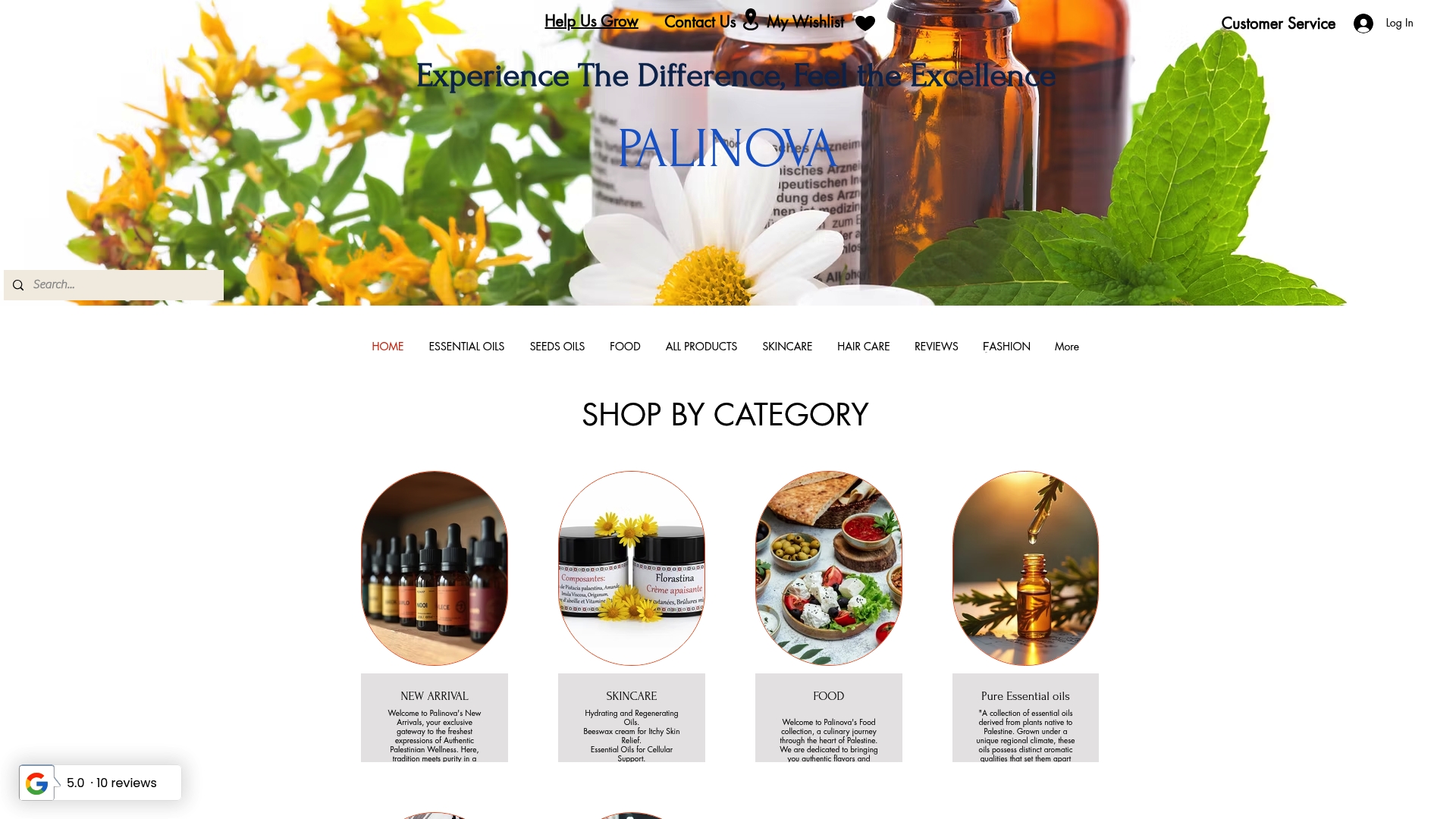
For readers who want to go further, Palinova’s Geranium essential oil is available separately for DIY blending, alongside Barbary Fig Seed Oil and other Palestinian botanical oils. Book a free aromatherapy consultation directly through the Palinova website to get a personalized recommendation for your skin type and concerns.
FAQ
Can you add essential oils directly to any cream?
No. Essential oils must be diluted into a carrier base before skin contact. Adding them directly to a water-based cream without proper emulsification can cause uneven concentration and skin irritation.
What dilution is safe for sensitive skin?
Start at 0.5–1% for sensitive or facial skin. That equals 3–6 drops per 30 g of base cream.
Is Palinova Soothing Cream safe for eczema-prone skin?
Palinova formulates its Soothing Cream for itchy and irritated skin using low-sensitization ingredients like Barbary Fig Seed Oil and Geranium. A patch test is still recommended before full use.
How long before a soothing cream with essential oils shows results?
Initial calming can occur within minutes. Visible barrier repair and reduced reactivity typically take 7–14 days of consistent daily use.
Which essential oils should pregnant people avoid in a soothing cream?
Avoid Frankincense in the first trimester, and avoid high-phenol oils (clove, cinnamon, oregano) entirely during pregnancy. Lavender at 0.5% dilution in the second and third trimesters is generally considered low-risk, but always confirm with a healthcare provider first.
Recommended
Comments