
Natural Itchy Skin Relief: Fast, Safe Home Remedies
- Palinova
- a few seconds ago
- 14 min read

For fast, safe natural itchy skin relief, cool the affected area immediately, protect it from scratching, and lock in moisture with a gentle emollient or colloidal oatmeal within minutes. That three-step sequence, cool, protect, moisturize, is the foundation of the American Academy of Dermatology and Mayo Clinic both point to before anything else.
Evidence-backed topical options: colloidal oatmeal (Aveeno colloidal oatmeal bath products are widely available), cool compresses, fragrance-free emollients, and diluted menthol gels all have clinical or dermatology-endorsed support.
Safety first: always patch-test new topicals on your inner forearm for 48 hours before wider use, and never apply undiluted essential oils directly to skin.
Table of Contents
How to stop itching right now: your first 15 minutes
When itch hits hard, the goal is sensory interruption and barrier protection, not just distraction. Work through these steps in order.
Apply a cool, damp compress. A cloth soaked in cool (not ice-cold) water held over the area for 5–10 minutes activates cold-sensitive nerve fibers that compete with itch signals. This is one of the simplest, fastest itch-relief measures clinicians recommend.
Pro Tip: Store your fragrance-free moisturizer in the refrigerator. The extra chill adds a second wave of cooling relief when you apply it, and the cold temperature itself briefly suppresses itch nerve activity.
One safety note: never place ice cubes directly on skin. Ice can cause frostbite on fragile or already-inflamed skin. A cool damp cloth or a gel pack wrapped in a thin towel is the right tool.
12 proven natural and home remedies for itchy skin
1. Colloidal oatmeal baths
Colloidal oatmeal is finely milled oat flour that dissolves in water and forms a protective, anti-inflammatory film on the skin. It contains avenanthramides, compounds with antioxidant and anti-inflammatory properties that reduce redness and itch. Add one cup of colloidal oatmeal (Aveeno makes a widely available bath packet) to a tub of lukewarm water, soak for 10–15 minutes, then pat dry and moisturize immediately. Research supports its use for dry, itchy, and eczema-prone skin. Avoid hot water, which strips the skin barrier.
2. Wet wrap therapy
Wet wraps rehydrate skin, create a physical barrier against scratching, and can boost absorption of any topical you apply underneath. They are especially useful during eczema flares and for children. Apply a thin layer of moisturizer or prescribed topical to the affected area, then wrap with a layer of damp (not dripping) cotton bandage or clothing, followed by a dry layer on top. Leave on for 2–6 hours or overnight. The American Academy of Dermatology endorses wet wraps for intense flares.
3. Coconut oil and chia seed oil
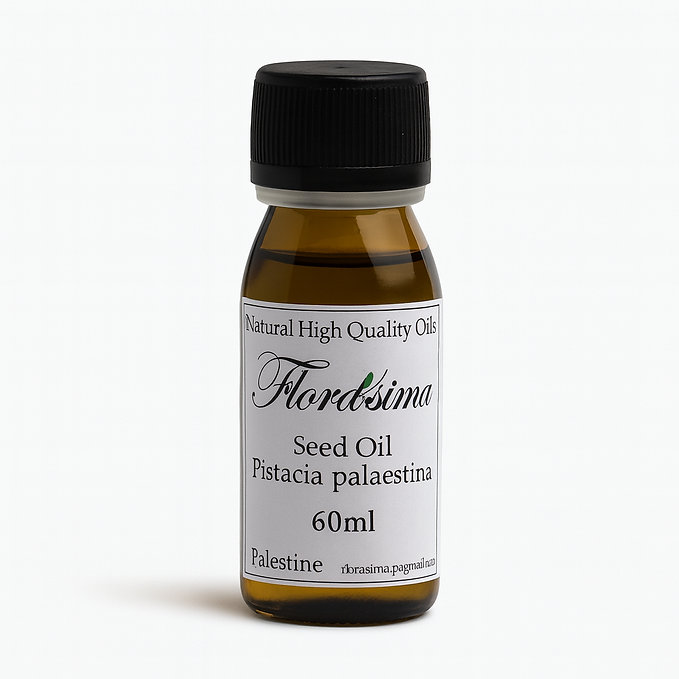
Both oils work as emollients that soften and seal the skin barrier. A controlled study in hemodialysis patients found that topical chia seed oil and coconut oil significantly reduced pruritus scores compared to a control. Apply a thin layer of virgin coconut oil or a chia-seed-oil lotion to clean, damp skin once or twice daily. The omega-3 fatty acids in chia seed oil may reduce inflammatory signaling in the skin. These are generally well tolerated, though pestacia palestina seed oil, coconut oil can clog pores for acne-prone skin.
[
4. Diluted peppermint or menthol gel
Menthol activates TRPM8 cold receptors in the skin, creating a cooling sensation that directly competes with itch signals. Mix 1–2 drops of peppermint essential oil into 5 mL of a carrier oil (jojoba, sweet almond, or a seed oil), or use an over-the-counter menthol gel at 1%. Apply to the itchy area and let it absorb. Do not use near eyes, on broken skin, or on children under two. The cooling effect is temporary, typically 30–60 minutes, so layer it over a moisturizer for longer relief.
5. Aloe vera gel
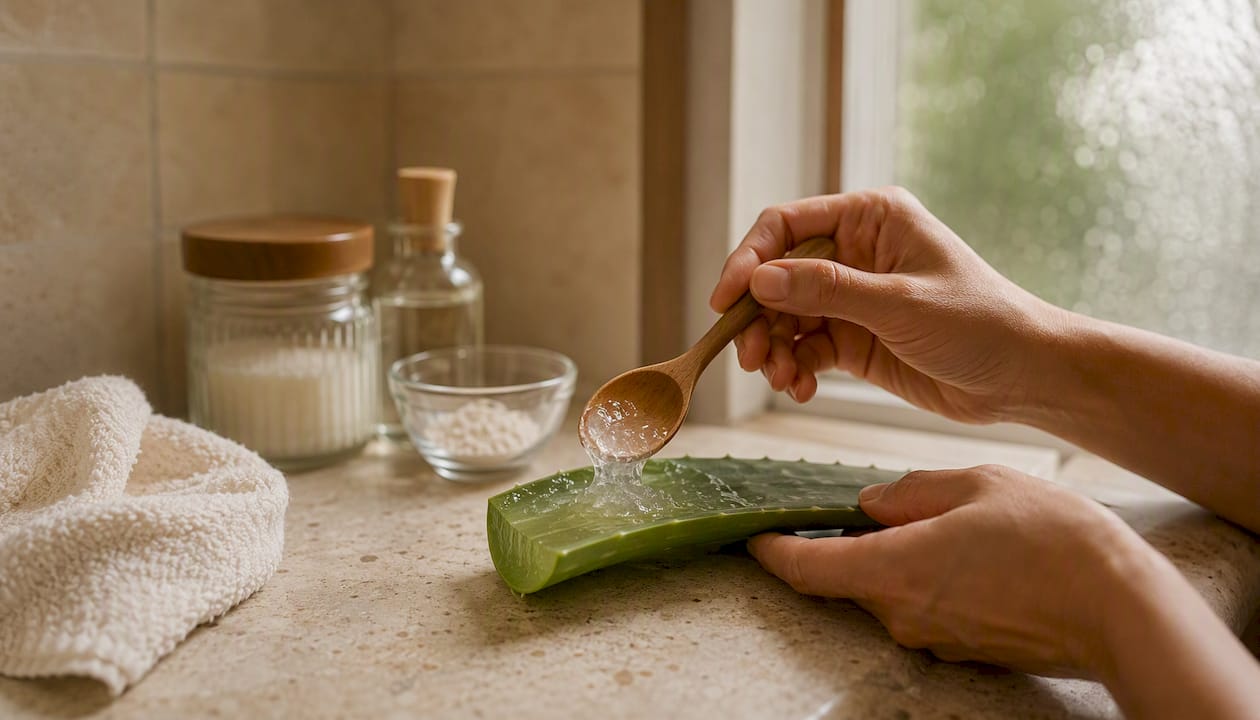
Fresh aloe vera gel contains polysaccharides and glycoproteins that reduce inflammation and cool the skin on contact. Slice a leaf, scoop out the clear gel, and apply directly to the itchy patch. Refrigerating the leaf first adds a bonus cooling effect. Aloe is generally safe for most skin types, but a small percentage of people react to latex compounds in the yellow sap just under the leaf skin. Stick to the clear inner gel and rinse off if irritation develops.
6. Chamomile compress or cream
Chamomile contains bisabolol and apigenin, two compounds with documented anti-inflammatory and mild antipruritic effects. Brew a strong chamomile tea, let it cool completely, soak a cloth in it, and apply as a compress for 10 minutes. Alternatively, look for chamomile-containing creams formulated for sensitive skin. Avoid chamomile if you have a ragweed allergy, since cross-reactivity is possible.
7. Baking soda bath
A quarter to half a cup of baking soda dissolved in a lukewarm bath can temporarily relieve itch from insect bites, mild rashes, and dry skin. Its mild alkalinity may help neutralize acidic irritants on the skin surface. Soak for 10–15 minutes, then rinse and moisturize. Never apply baking soda paste directly to open or broken skin, as it can cause chemical burns with prolonged contact.
8. Epsom salt soak
Epsom salts (magnesium sulfate) dissolved in warm water are a traditional remedy for itchy, inflamed skin. Add two cups to a standard bath and soak for 15 minutes. Some people find the magnesium content soothing for muscle-related skin tension and mild inflammatory conditions. Rinse thoroughly afterward, since residue can dry the skin further.
9. Apple cider vinegar (diluted)
Diluted apple cider vinegar can help restore the skin’s slightly acidic pH, which supports the barrier and may reduce itch from certain fungal or dry-skin conditions. Mix one part vinegar with one part water and apply with a cotton pad. Never use undiluted vinegar on skin, and avoid entirely on cracked, broken, or raw skin where it will cause a burning reaction.
10. Humidifier use
Dry indoor air, especially during winter heating season, strips moisture from the skin and worsens itch. Running a cool-mist humidifier in the bedroom at night keeps ambient humidity in a range that supports the skin barrier. Clean the humidifier weekly to prevent mold growth, which would create a different kind of irritant.
11. Lavender essential oil (diluted)
Lavender oil has mild analgesic and anti-inflammatory properties and is one of the better-tolerated essential oils for skin use. Dilute to 1–2% in a carrier oil (roughly 1–2 drops per teaspoon of carrier) and apply to the itchy area. Always patch-test first. Lavender is photosensitizing in high concentrations, so avoid sun exposure on treated skin for several hours.
12. Dietary and hydration support
Omega-3 fatty acids from walnuts, flaxseed, and fatty fish support the skin’s lipid barrier from the inside out. Staying well hydrated keeps skin cells plump and less prone to the micro-cracking that triggers itch. Some people with chronic itch find that reducing alcohol and highly processed foods reduces flare frequency, though individual responses vary.
How to prevent recurring itch: triggers, routines, and environment
Treating itch effectively requires more than remedies. If the skin barrier stays compromised and triggers go unaddressed, itch will keep returning. The Cleveland Clinic and NHS both emphasize that prevention and routine are as important as any single remedy.
Top triggers to cut first:
Hot showers and baths strip the skin’s natural oils faster than lukewarm water. Keep water temperature below 98°F and limit showers to 5–10 minutes.
Fragranced soaps, detergents, and fabric softeners are among the most common contact irritants. Switch to fragrance-free alternatives and wash new clothing before wearing.
Wool and synthetic fabrics trap heat and physically irritate nerve endings. Loose, breathable cotton or bamboo fabric against the skin makes a real difference for itch-prone people.
Stress activates inflammatory pathways that lower the itch threshold. Techniques like progressive muscle relaxation, mindfulness, and regular aerobic exercise have shown measurable reductions in itch flare frequency.
Daily moisturizing routine:
Apply moisturizer within minutes of stepping out of the bath or shower. That window is when the skin is still slightly damp and the emollient can trap water in the outer skin layer rather than just sitting on top of dry skin. At night, use a thicker ointment (petrolatum-based or a rich seed oil) on very dry patches for prolonged barrier repair. Creams work well during the day; ointments are better overnight when you are not worried about greasiness.
Pro Tip: Keep your nails short and filed smooth. Even unconscious nighttime scratching causes significant barrier damage. Short, smooth nails reduce the injury from scratching you do not even realize you are doing.
For a complete sensitive-skin routine that fits these principles, Palinova’s AM/PM guide walks through each step with product-type recommendations.
How to use natural remedies safely: dilution, patch testing, and who should avoid what
“Natural” does not mean risk-free. Essential oils are highly concentrated plant extracts, and undiluted application is one of the most common causes of contact dermatitis among people trying home remedies.
Dilution table for essential oils
Use case | Essential oil drops | Carrier oil amount | Approximate concentration |
Adult body use | 2–3 drops | 1 teaspoon (5 mL) | 1–2% |
Adult face use | 1 drop | 1 teaspoon (5 mL) | — |
Children (2–12 yrs) | 1 drop | 1 teaspoon (5 mL) | — |
Children under 2 | Not recommended | — | — |

Suitable carrier oils include jojoba, sweet almond, and seed oils such as Pistacia Palaestina oil. Avoid mineral oil as a carrier, since it does not absorb well and can block pores.
Patch test: step by step
Mix the diluted oil blend at the concentration you plan to use.
Apply a small amount (about the size of a dime) to the inner forearm.
Cover loosely with a bandage and leave undisturbed for 48 hours.
Check for redness, swelling, itching, or blistering. Any reaction means avoid that oil or reduce the concentration further.
When home care isn’t enough: red flags and next steps
Most itch responds to home care within a week or two. Some does not, and waiting too long to see a clinician can let an underlying condition worsen.
See a doctor if you notice any of these:
Itch that persists for more than two weeks despite consistent home treatment
Systemic symptoms alongside the itch: unexplained weight loss, fever, night sweats, or fatigue
Signs of skin infection: pus, spreading redness or warmth, crusting, or swollen lymph nodes nearby
Itch severe enough to disrupt sleep most nights
A rash that spreads rapidly or appears after starting a new medication (possible drug reaction)
Itch with no visible rash at all, which can signal internal causes such as liver, kidney, or thyroid conditions
A clinician evaluation typically includes a full skin exam, a detailed history of triggers and timeline, and possibly blood tests to rule out systemic causes. A dermatologist may also perform patch testing for contact allergens or a skin biopsy if the diagnosis is unclear.
What to bring to your appointment:
A list of all products currently on your skin (soaps, lotions, laundry detergents, essential oils).
Photos of the rash at its worst, since it may look different by appointment day.
A timeline: when it started, what makes it better or worse, any new exposures.
For non-urgent itch without systemic symptoms, telehealth dermatology platforms offer photo-based triage that can get you a prescription or referral faster than waiting for an in-person slot.
Baking soda, Epsom salts, and vinegar baths
These three bath additives are among the most searched itchy skin home remedies, and they each work through a different mechanism. Baking soda’s mild alkalinity can neutralize surface irritants and has some antifungal properties, making it useful for itch from fungal rashes or insect bites. Epsom salts provide magnesium sulfate, which some research suggests may reduce localized inflammation when absorbed transdermally, though evidence in healthy skin is limited. Apple cider vinegar restores the skin’s acidic pH, which supports the barrier and may discourage bacterial overgrowth.
The key rule for all three: correct dilution and intact skin. Use a quarter to half a cup of baking soda or two cups of Epsom salts per standard tub. For vinegar, a cup in a full bath is sufficient. Never apply any of these in concentrated form to broken, cracked, or infected skin. Soak for no more than 15 minutes, rinse with clean water, and apply moisturizer immediately while skin is still damp.
What you eat and drink affects your skin’s itch threshold
Skin is not separate from the rest of the body, and what you consume shows up in how well the barrier holds. Omega-3 fatty acids, found in fatty fish, walnuts, and flaxseed, are building blocks for the lipid layer that keeps moisture in and irritants out. A diet consistently low in these fats tends to produce drier, more reactive skin.
Hydration matters too, though it is often overstated as a cure. Drinking adequate water keeps skin cells from becoming dehydrated and micro-cracking, which is one of the physical triggers for itch. Eight cups a day is a reasonable baseline for most adults, adjusted for activity and climate.
Vitamin D deficiency has been linked to eczema severity in several studies, and many Americans are deficient, particularly in winter. A blood test can confirm your level, and supplementation is inexpensive. Zinc and vitamin E also support skin barrier function and wound repair. If your diet is restricted or you have chronic skin issues, a conversation with a registered dietitian about targeted supplementation is worth having.
Natural anti-inflammatory agents: aloe vera, chamomile, and coconut oil
These three are the most widely used plant-based anti-inflammatory options for itchy skin, and each has a distinct profile.
Aloe vera works fastest for surface-level itch and heat-related irritation. The gel’s polysaccharides form a cooling film that reduces transepidermal water loss while the glycoproteins interrupt inflammatory signaling. It is the right first reach for sunburn-related itch, mild contact reactions, and post-shave irritation.
Chamomile is slower but more sustained. Its active compounds, particularly bisabolol and the flavonoid apigenin, reduce histamine release and calm mast cell activity in the skin. This makes it more useful for chronic, low-grade itch than for acute flares. A chamomile-infused cream applied twice daily over several days tends to outperform a single chamomile compress.
Coconut oil is primarily an emollient rather than a direct anti-inflammatory, but its lauric acid content gives it mild antimicrobial properties that can reduce itch driven by bacterial or fungal surface colonization. Virgin, cold-pressed coconut oil is the form most studied for skin use. Apply it to damp skin after bathing for best absorption.
For a deeper look at how these ingredients fit into a natural eczema skincare routine, Palinova’s guide covers barrier repair and ingredient layering in detail.
Safe use and real risks of herbal remedies
The most important thing to understand about herbal remedies for skin is that “plant-derived” and “gentle” are not synonyms. Tea tree oil, for example, is one of the most potent contact sensitizers in common use. Undiluted, it causes chemical burns. Even at 5%, it can trigger allergic contact dermatitis in sensitized individuals. The same applies to cinnamon, clove, and oregano oils, which are far too irritating for direct skin application at any practical concentration.
Cross-reactivity is another underappreciated risk. People with ragweed allergies may react to chamomile, calendula, and echinacea. Those with latex allergy may react to aloe vera, banana extract, and avocado oil. Before trying any new herbal topical, check for known botanical cross-reactions relevant to your allergy history.
Herbal remedies also interact with medications. St. John’s Wort, sometimes used in topical preparations, is a potent inducer of liver enzymes and can reduce the effectiveness of several prescription drugs when absorbed transdermally in significant amounts. Topical use is generally lower risk than oral, but it is worth mentioning to your pharmacist if you are on any long-term medications.
The practical rule: start with one new remedy at a time, patch-test it, use it for one week, and assess. Adding three new things simultaneously makes it impossible to know what helped or what caused a reaction.
Key Takeaways
Natural itchy skin relief works best when you combine immediate sensory interruption (cool compress, emollient) with consistent barrier repair and trigger avoidance, not just a single remedy applied once.
Point | Details |
Cool and moisturize first | Apply a cool compress, then a fragrance-free emollient within 3–5 minutes of bathing to trap moisture. |
Colloidal oatmeal is the top evidence-backed remedy | Aveeno-style colloidal oatmeal baths reduce inflammation and form a protective barrier on itchy skin. |
Dilute all essential oils | Use 1–2 drops per teaspoon of carrier oil for adults; never apply undiluted; patch-test 48 hours before wider use. |
Avoid the main triggers | Hot water, fragranced products, wool, and stress all worsen itch; removing them reduces flare frequency. |
Palinova for targeted support | Palinova’s Palestinian seed oils and soothing skincare line up directly with the emollient and carrier-oil routines described here, with free aromatherapy consultations available for personalized guidance. |
The part most guides skip about natural itch care
Most articles on natural itchy skin relief hand you a list of remedies and leave it there. The harder truth is that the remedy is rarely the bottleneck. The bottleneck is the skin barrier.
If the barrier is compromised, whether from over-washing, harsh products, or chronic inflammation, no topical remedy will hold its effect for long. Aloe vera soothes for an hour. Colloidal oatmeal helps during the bath. But if you step out and apply nothing, or apply a fragranced lotion, you have undone the work. The itch returns because the underlying problem, a leaky, inflamed barrier, was never addressed.
The remedies in this article are not alternatives to barrier repair. They are tools that work within a barrier-repair routine. The sequence matters: cleanse gently, moisturize immediately, then add a targeted remedy on top. Reversing that order, or skipping the emollient step because you applied aloe, is why many people find natural remedies “don’t work.”
There is also a tendency to escalate to more exotic remedies before exhausting the basics. Frankincense oil, Pistacia seed oil, and specialized botanical blends all have genuine merit. But if you are still showering in hot water and using a fragranced body wash, no oil will compensate for that daily damage.
Start boring. Fix the routine first. Then layer in the botanicals.
Palinova’s soothing options for itchy, sensitive skin
Palinova’s skincare line is built around Palestinian botanicals that fit directly into the barrier-repair and emollient routines described throughout this article. The soothing creams and emollients are formulated without synthetic additives, making them a practical choice for people who have already cut fragranced products from their routine and want a clean replacement.
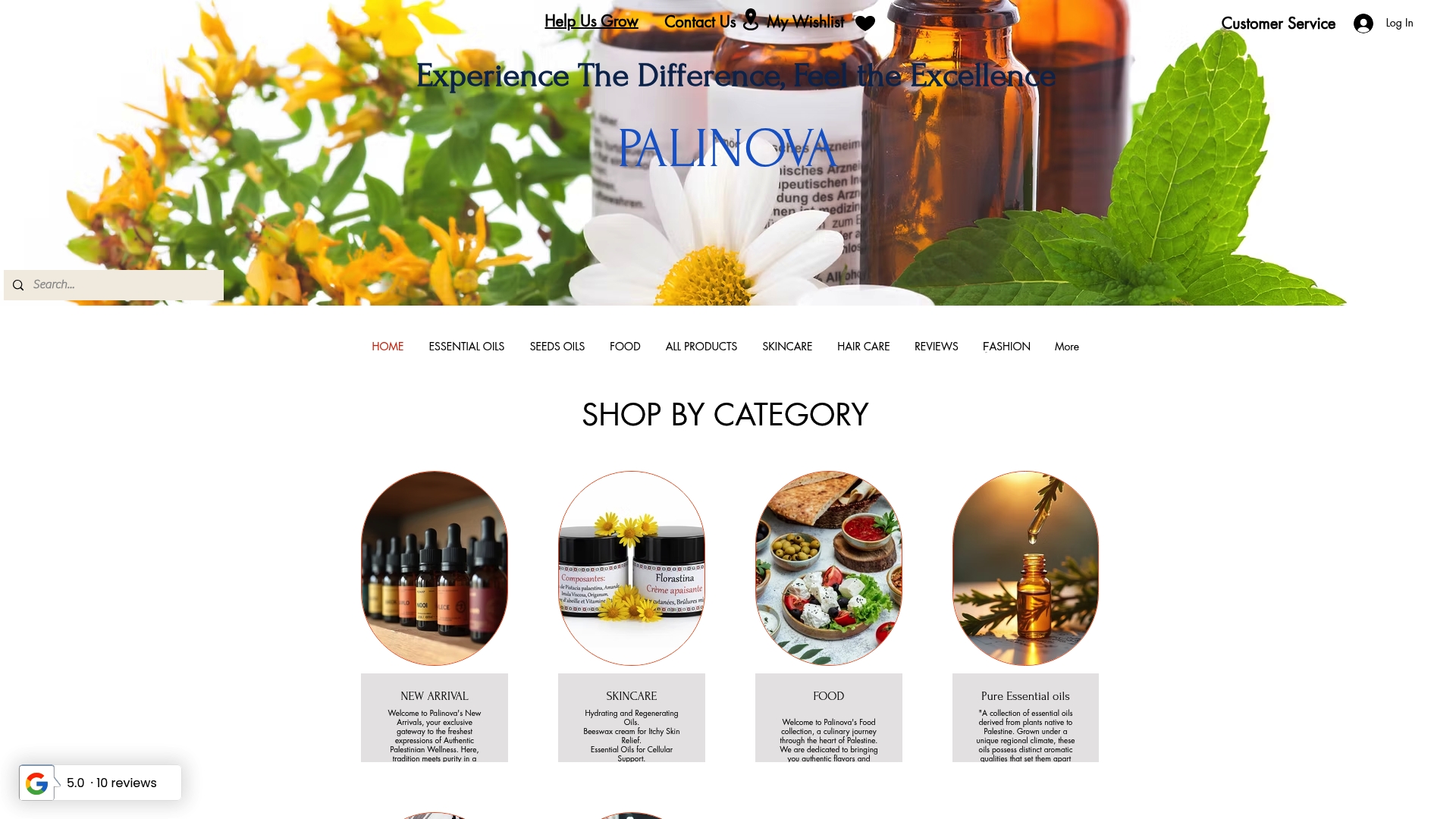
Pistacia Palaestina seed oil works well as a carrier oil for diluted essential oil blends and as a standalone emollient on damp skin after bathing. Its fatty acid profile supports barrier lipid replenishment. For those interested in adding an essential oil to their routine, Palinova’s Cypress essential oil can be blended at 1–2% in a carrier for spot use on non-sensitive adults, always after a patch test.
Not sure where to start? Palinova offers free aromatherapy consultations to help you match the right product to your skin’s specific needs. Browse the full skincare range or book a consultation at palinova.shop.
Useful sources and further reading
FAQ
What stops skin itching fast?
A cool, damp compress applied for 5–10 minutes provides the fastest relief by activating cold nerve receptors that compete with itch signals. Following it immediately with a fragrance-free emollient or colloidal oatmeal locks in the effect.
How do you reduce body itching naturally?
The most effective natural approach combines lukewarm (not hot) showers, moisturizer applied within 3–5 minutes of bathing, and a targeted remedy such as colloidal oatmeal, diluted menthol, or aloe vera gel. Removing triggers like fragranced products and wool fabrics reduces recurrence.
What is the most powerful itch relief?
For inflammatory or allergic itch, short-term 1% hydrocortisone cream is the most clinically effective over-the-counter option. Among purely natural remedies, colloidal oatmeal has the strongest dermatology-endorsed evidence base for reducing itch and inflammation.
What am I lacking if my skin is always itchy?
Persistent itchy skin can reflect low levels of vitamin D, omega-3 fatty acids, or zinc, all of which support the skin barrier. It can also signal a compromised barrier from over-washing or harsh products. If itch persists beyond two weeks, a clinician can run blood tests to rule out systemic causes such as thyroid, liver, or kidney conditions.
Are essential oils safe for itchy skin?
Essential oils can relieve itching when properly diluted (1–2% in a carrier oil for adults) and patch-tested first. They are not safe undiluted, and are contraindicated for children under two, pregnant women without medical guidance, and people with asthma or broken skin.
This article provides general information only and is not a substitute for professional medical advice. Consult a dermatologist or healthcare provider for persistent, severe, or unexplained itching.
Recommended