
5 Oils Rich in Linoleic Acid Dermatologists Recommend for Dry Skin


Start with linoleic-rich oils like sunflower seed and jojoba to repair a compromised barrier, and reserve richer, oleic-heavy oils like avocado or coconut for severe dryness where occlusion matters more than repair. The rule of thumb: lighter, high-linoleic oils rebuild the barrier, thicker oils seal it. See a dermatologist if your skin is cracked, bleeding, or shows signs of infection.
TL;DR:
Oils high in linoleic acid, such as sunflower seed oil, support barrier repair and reduce water loss, especially on inflamed or compromised skin.
Richer, oleic-heavy oils like avocado and coconut oils are best reserved for severe dryness or winter-damaged skin, and may worsen inflammation on compromised skin.
Applying oils immediately after cleansing on damp skin enhances occlusive effects, with lighter oils layered under creams and thicker oils used as the final occlusive layer.
For inflamed or severely damaged skin, barrier-supporting creams with ceramides are more effective than oils alone.
The fatty-acid profile of an oil, especially its linoleic-to-oleic ratio, is more important for skin health than whether the oil is labeled organic or cold-pressed.
Table of Contents
How oils help dry skin: occlusion, water loss, and timing
Plant oils work mainly by forming a semi-occlusive film on the skin’s surface, which slows transepidermal water loss (TEWL) rather than adding water directly. That thin barrier keeps existing moisture from evaporating, which is why oils feel hydrating even though they contain no water themselves.

A review of 27 clinical studies covering 17 vegetable oils found measurable improvements in stratum corneum hydration starting within 30 minutes of application, with benefits sustained across study periods of up to 60 days. That split matters: the fast effect is largely occlusion, while the slower, cumulative effect likely reflects lipids integrating into the skin’s outer layers.

Fast fact: some oils showed hydration gains within 30 minutes of a single application, a timeline dermatology reviews attribute to the semi-occlusive barrier oils form on contact.
Not every oil helps equally, though. The same review found that fatty-acid composition influenced whether an oil supported repair or caused issues in inflamed skin, which is the single most useful thing to understand before choosing one.
Fatty-acid profiles: the practical rule for picking oils
The fastest way to judge an oil is to look at its ratio of linoleic acid to oleic acid. Linoleic acid, an essential omega-6 fatty acid, feeds directly into ceramide synthesis, the lipid-building process your skin uses to patch its own barrier. Oils rich in linoleic acid tend to calm and rebuild compromised skin, which is why sunflower seed oil’s high linoleic content is tied to improved barrier recovery and reduced TEWL in clinical comparisons.
Oleic-acid-dominant oils behave differently. They tend to penetrate deeper and can loosen the lipid organization of the stratum corneum, which is fine on healthy skin but risky on inflamed or eczema-prone skin, where it may worsen barrier disruption instead of fixing it.
A few label-reading habits help:
Check the fatty-acid breakdown when listed. High linoleic, lower oleic favors barrier repair.
Favor cold-pressed, unrefined oils, which usually retain more antioxidants and unsaponifiables.
Expect a tradeoff: those same antioxidant-rich oils oxidize faster and need cooler, darker storage.
Pro Tip: If a product lists “high oleic” on the label and your skin is actively inflamed, patch-test on a small area first rather than applying it to your whole face.
Best oils to try for dry skin by type and need
Instead of ranking brands, it helps to match oil type to skin need. Each of these has a distinct fatty-acid profile and texture.
Jojoba oil is technically a liquid wax that closely mimics natural sebum, which makes it a good fit for dry or combination skin without leaving a heavy residue, according to dermatology coverage of skin barrier oils.
Sunflower seed oil carries a high linoleic-acid content and has been shown to support barrier recovery and reduce water loss more consistently than oleic-heavy oils.
Squalane, a stable, non-greasy oil, resists oxidation well and works as a lightweight daily option for people who dislike the feel of heavier oils.
Avocado, coconut, and argan oils run richer and more occlusive, useful for very dry or winter-damaged skin, though their higher oleic-acid content means they carry more comedogenic and inflammation risk on acne-prone or already irritated skin.
Oat oil shows anti-inflammatory activity and may help upregulate the skin’s own ceramide-processing genes, based on research into plant oils and barrier repair, making it a reasonable pick for reactive or eczema-prone skin.
Coconut oil deserves a specific note: it performed well against mineral oil in studies on childhood dry skin, largely because its saturated medium-chain fats are strongly occlusive. Olive oil, by contrast, showed the opposite pattern in atopic skin, where its high oleic-acid content appeared to damage rather than repair the barrier.
For the face, a few drops go a long way given how thin the skin is there. Body application can use more oil and tolerates richer, thicker formulas since body skin is less reactive and less exposed than facial skin.
How to apply and layer oils correctly
The order and timing you use matters almost as much as the oil itself.
Apply oil to slightly damp skin right after cleansing or showering. Dermatology guidance on emollients notes this traps existing surface water before it evaporates.
Use two to three drops for the face and a coin-sized amount per limb for the body, adjusting for dryness level.
Layer light, fast-absorbing oils like squalane or jojoba under a cream. Save thicker oils like avocado for the last step, on top of a cream, when the goal is pure occlusion.
Wait a few minutes before applying retinoids or AHA/BHA products over an oil layer, since oils can slow the penetration of actives if applied first.
Pro Tip: Patch-test any new oil on your inner forearm for 24 hours before applying it to your face, especially if you have a history of reactive or eczema-prone skin.
When oils aren’t enough: dermatologist-recommended next steps
Oils help maintain hydration, but they are not a substitute for medical-grade repair when skin is already damaged.
Cracked, bleeding, or weeping skin needs more than an oil, since a broken barrier is prone to infection.
Rapid worsening, spreading redness, or intense stinging after applying any product is a signal to stop and check with a clinician.
For clinical xerosis or a severely compromised barrier, dermatologists generally recommend ceramide-based creams or ointments over oils alone, since these formulations replace lipids in ratios closer to what skin naturally needs.
Notable finding: professional guidance on moisturizer selection specifically points to thicker, ceramide-based options for cases where oils alone have not resolved dryness, since occlusion without ceramide replacement may not address the underlying barrier defect.
If you’re dealing with inflamed or eczema-prone patches specifically, it’s worth reading more on gentle cleansing and moisturizing for eczema-prone skin before adding any new oil to your routine.
Sourcing seed oils and where the evidence still falls short
Choosing a natural seed oil worth recommending means checking fatty-acid data and customer feedback against clinical evidence, not marketing claims. This means favoring cold-pressed extraction methods rooted in agricultural tradition, paired with personalized support to help match an oil to individual skin conditions, including options like Barbary Fig Seed Oil noted for anti-aging effects. None of this replaces a prescribed treatment for diagnosed skin conditions.

What the fatty-acid data actually tells you
Most advice on dry skin oils treats every “natural oil” as interchangeable, which is where the conventional wisdom breaks down. The linoleic-to-oleic ratio explains far more about whether an oil helps or harms than any marketing claim about being “cold-pressed” or “organic.” A refined sunflower oil high in linoleic acid can outperform an unrefined, prestige-branded oil that happens to be oleic-dominant.
The bigger gap in most guides is honesty about limits. Oils are maintenance tools for barrier support, not repair tools for damaged skin. Readers with genuinely compromised skin, cracked, inflamed, or diagnosed with a condition like eczema, are often sold oil blends when what they need is a ceramide ointment or a dermatologist’s input. The oil aisle is not where clinical xerosis gets solved.
If you take one thing from this, prioritize matching fatty-acid profile to your skin’s current state over chasing a trending oil. Layering technique and timing matter more than most people assume, and they cost nothing to fix.
— abdelmuhsen
Where to start with Palinova’s seed oils
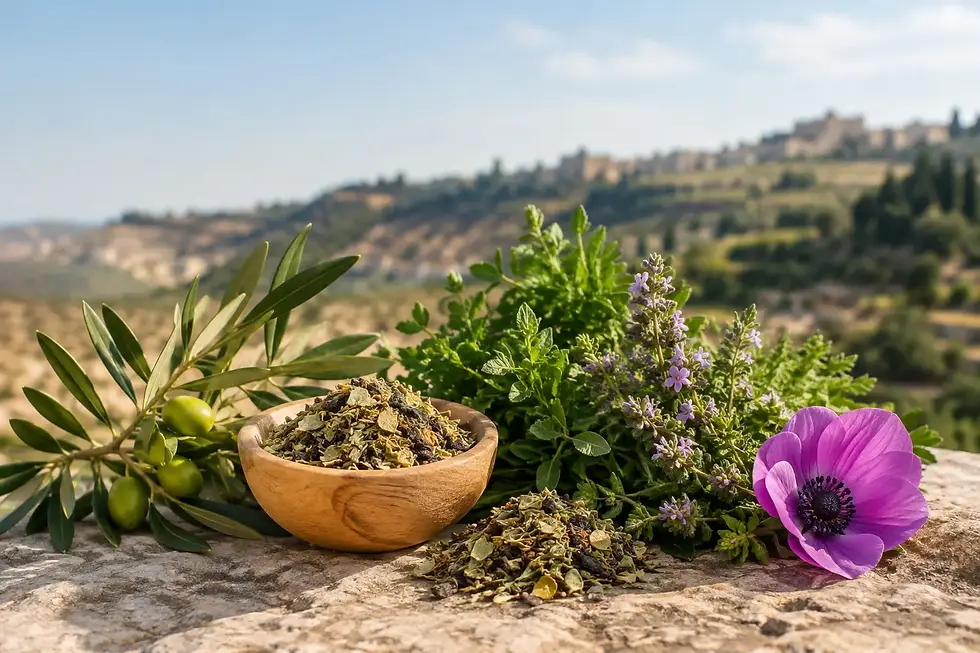
If you want to try a linoleic-rich or richer occlusive oil without guessing which one fits your skin, Palinova’s seed oils category carries cold-pressed options rooted in Palestinian agricultural tradition, alongside skincare blends built for dry and irritated skin.
Browse cold-pressed seed oils for fatty-acid-focused options suited to barrier repair.
Check the skincare category for creams and blends built to pair with oils.
Consider consulting with an aromatherapy expert to help match an oil type to your specific dryness pattern before you buy.
Start at the Palinova shop to see the full range and find the option that fits your skin’s needs today.
FAQ
What is the best body oil for extremely dry skin?
For extremely dry body skin, richer, more occlusive oils like coconut or avocado tend to work best because they slow water loss more aggressively than lighter oils. If your skin is cracked or bleeding, pair oil with a ceramide-based ointment or see a dermatologist rather than relying on oil alone.
What is the best oil for old dry skin?
Aging skin often loses both oil and water content, so a combination of a linoleic-rich oil like sunflower seed oil with a richer oil for very dry patches tends to work better than one oil alone. For a deeper look at options suited to mature skin, see this comparison of oils for aging skin.
What is the best oil for face dry skin?
Jojoba and sunflower seed oil are strong first choices for facial dryness because jojoba mimics natural sebum and sunflower seed oil’s high linoleic-acid content supports barrier repair without heaviness. Apply a few drops to damp skin right after cleansing for the best absorption.
What is the best body oil for hydrating dry skin?
Squalane is a good daily option for general body hydration since it is lightweight, resistant to oxidation, and non-greasy, while richer oils like avocado suit more severe dryness. The right choice depends on how dry the skin is and how much occlusion it needs.
Recommended

Comments