
Make Your Garden Smell Mediterranean: Placement, Chemistry, Ethical Oils
- Palinova

- 8 hours ago
- 14 min read
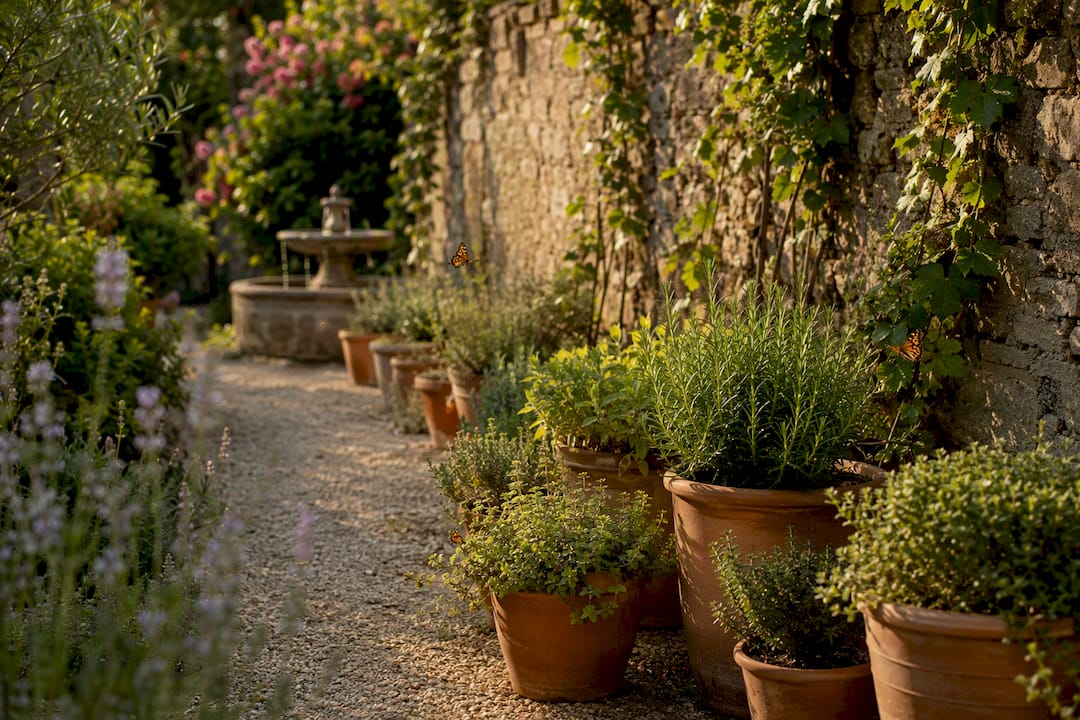
Mediterranean gardens owe their signature fragrance to a small cluster of plant families, led by the Lamiaceae, or mint family, which gave the region lavender, rosemary, thyme, sage, and oregano. Add in resinous shrubs like Cistus and Myrtus, aromatic trees like Pistacia and bay laurel, and flowering standouts like jasmine and citrus blossom, and you have the backbone of Mediterranean scent culture. For millennia, these plants have flavored food, treated ailments, scented incense and perfume, and shaped the outdoor spaces people actually want to sit in.
TL;DR:
Mediterranean aromatic plants, especially Lamiaceae herbs like thyme, oregano, and rosemary, grow best in poor, well-drained soil with strategic placement near paths and seating areas to maximize fragrance.
The scent strength of these plants depends heavily on growing conditions such as soil fertility, drought stress, and leaf disturbance, which concentrate essential oils.
Most Mediterranean herbs release their aroma when crushed, heated, or disturbed, making thoughtful placement in gardens crucial for optimal sensory impact.
Traditional uses of these plants for food preservation, medicine, and incense have shaped centuries of Mediterranean culture and still influence modern aromatherapy and cosmetics.
Proper harvesting, drying, and distillation techniques are key for preserving aroma, with cultivated plants and traceable essential oils supporting sustainable practices and protecting wild populations.
Table of Contents
How Were These Plants Used Traditionally Across the Mediterranean?
Palinova’s Perspective on Garden Plants and Genuine Botanical Extracts
How Are These Plants Used in Aromatherapy and Cosmetics Today?
Why Have These Plants Mattered to Mediterranean Cultures for So Long?
Does Soil or Altitude Really Change How Strong a Plant Smells?
Bring the Garden Indoors With Palinova’s Mediterranean Botanicals
Which Mediterranean Plants Have the Strongest Aromas?
If you’re building a garden around fragrance, start with the Lamiaceae family. It comprises many genera and thousands of species worldwide, and a disproportionate share of the world’s most aromatic culinary herbs come from it, thanks to essential-oil constituents like carvacrol, thymol, and γ-terpinene. But the family doesn’t stand alone. Resinous shrubs and aromatic trees round out the sensory picture in most traditional Mediterranean plantings.
Culinary herbs (foliage-scented, released by touch or heat):
Lavender (Lavandula spp.) — Sweet, floral, slightly camphorous. Best in full sun, gravelly or sandy soil with sharp drainage. Traditionally dried for sachets and used in confectionery and perfumery. Plant along a sunny path edge where brushing releases the oil.
Rosemary (Salvia rosmarinus, formerly Rosmarinus officinalis) — Piney, resinous, with a eucalyptus edge from its dominant compound, eucalyptol. Thrives in poor, rocky soil and tolerates real neglect once established. Works as a low hedge or trained upright near a kitchen door.
Thyme (Thymus vulgaris) — Warm, peppery, herbaceous, driven largely by thymol. Ideal for gaps between paving stones or a low border, since foot traffic crushes the leaves and releases scent. Needs excellent drainage; rot is the main killer.
Sage (Salvia officinalis) — Earthy, slightly musky, with camphor notes. Grows well in average, well-drained soil and appreciates a bit more organic matter than rosemary. Traditionally used to flavor fatty meats and preserve them.
Oregano (Origanum vulgare, and the related Origanum syriacum) — Pungent, spicy, dominated by carvacrol. Full sun and lean soil concentrate the oils; too much fertilizer produces lush but bland-tasting leaves.
Mint (Mentha spp.) — Cool, sharp, menthol-forward. Unlike its dry-loving relatives, mint wants consistent moisture and part shade, and it spreads aggressively, so most gardeners contain it in a pot.
Shrubs and trees (foliage- and flower-scented, often strongest in heat or at bloom):
Cistus (rock rose) — Resinous, balsamic foliage that perfumes the air on hot afternoons; the sticky leaf resin, labdanum, has been harvested for perfumery since antiquity. Needs poor, dry, alkaline soil and full sun.
Myrtus communis (myrtle) — Clean, slightly spicy foliage plus small white flowers with their own sweet scent. Tolerant of coastal conditions and light shade, making it a good screening plant.
Pistacia (mastic and terebinth) — Resinous, turpentine-like aroma from wounded bark and leaves, historically tapped for mastic resin on Chios. Slow growing, extremely drought tolerant, best as a long-term structural planting.
Bay laurel (Laurus nobilis) — Sweet, spicy foliage scent released by crushing or drying. Tolerates part shade and container life, useful where garden space is tight.
Citrus blossom (orange, lemon) — Intensely sweet flowering scent for a few weeks each year, worth it for the burst alone. Needs full sun, good drainage, and frost protection outside true Mediterranean climates.
Jasmine (Jasminum officinale and related) — Heady, sweet evening fragrance from the flowers rather than the foliage. Plant near a seating area used at dusk, since scent peaks after sundown.
The split between foliage-scented and flower-scented plants matters for how you plan a garden. Foliage plants like rosemary, thyme, and Cistus release scent when disturbed, crushed, or heated by the sun, so they reward proximity to paths and hands. Flower-scented plants like jasmine and citrus release scent on their own schedule, tied to bloom time and often concentrated in the evening, so they belong near where people linger after dark.
What Chemicals Make These Plants Smell So Strong?
The short answer: terpenes. These are volatile organic molecules that plants manufacture largely as a defense mechanism, deterring herbivores and pathogens while sometimes attracting pollinators, and they happen to smell distinctive to the human nose. Mediterranean scrub species are unusually rich in them. A 2025 review cataloged 197 distinct terpenes across just 21 Mediterranean scrub species. Most of them are monoterpenes and sesquiterpenes, which explains why a walk through maquis or garrigue vegetation delivers such a layered, shifting scent rather than one dominant note.
Pro Tip: Scent in the garden is almost never one compound acting alone. It’s the ratio of a dozen or more terpenes shifting throughout the day that gives a plant its “signature” — which is why the same rosemary bush can smell sharper at noon than at dusk.
A handful of named compounds do most of the heavy lifting across the region’s signature herbs:
Carvacrol — the dominant compound in oregano, giving it that spicy, almost medicinal punch.
Thymol — dominant in thyme, contributing the warm, slightly antiseptic note most people associate with the herb.
1,8-cineole (eucalyptol) — the main driver behind rosemary’s cool, camphor-like freshness.
Camphor — prominent in sage, adding a sharp, cooling edge to its earthier base notes.
Linalool — a floral, slightly citrusy compound common in lavender and many flowering shrubs.
Limonene — a bright, citrus-forward terpene found in abundance in citrus peel and blossom.
GC/MS analysis of these species confirms the pattern is consistent enough to be almost diagnostic: carvacrol shows up reliably in Origanum vulgare, thymol in Thymus vulgaris, eucalyptol in rosemary, and camphor in Salvia officinalis.
Heat and leaf damage are the two big triggers for stronger scent. Dry, hot conditions increase evaporation of the essential oils stored in leaf glands, which is exactly why Mediterranean foliage plants smell strongest on hot, dry afternoons rather than on cool, humid mornings. Physical disturbance does the same job mechanically: brushing against foliage ruptures the oil glands and releases scent instantly, which is why plants massed along paths and doorways deliver far more fragrance than the same species tucked into a back border. If you’re harvesting for drying or infusion, pick on a dry, sunny morning after the dew has burned off but before peak afternoon heat, when oil concentration in the leaves tends to be highest without excessive evaporation loss.
How Were These Plants Used Traditionally Across the Mediterranean?
The pattern across Mediterranean cultures, from Andalusia to the Levant, is remarkably consistent: the same handful of aromatic plants show up simultaneously in the kitchen, the medicine cabinet, and the incense burner. Ethnobotanical surveys back this up directly. More than 40% of Lamiaceae taxa are documented in traditional use for both food and medicine, a dual role that has kept them in continuous cultivation for generations.
The culinary logic runs deeper than flavor alone. Aromatic herbs let cooks build layered, satisfying dishes with far less salt, which mattered enormously in cultures without refrigeration and, as research on Mediterranean gastronomy suggests, likely supported healthier eating patterns long before anyone understood the underlying chemistry. Rosemary and thyme, both rich in antimicrobial phenolics, were also folded into meat preservation, doing double duty as flavor and a rough form of food safety.
Ways to bring these traditional uses into your own routine:
Dried herb sachets — bundle lavender, thyme, or rosemary sprigs and hang them to dry for linen closets or drawers, echoing centuries of household use.
Savory preservation — pack rosemary sprigs into oil or salt-cure meats the way Mediterranean cooks have for generations, taking advantage of the herb’s antimicrobial phenolics.
Fennel infusion — a mild fennel-seed tea is a long-standing folk remedy for digestive discomfort; check with a doctor before relying on it if you’re pregnant or on medication.
Incense and ritual burning — dried sage, bay, or resinous Cistus leaves have been burned in Mediterranean households and temples alike, valued for both scent and symbolic cleansing.
Perfumery bases — labdanum resin from Cistus and orange blossom absolute remain foundational notes in perfumery today, largely unchanged from ancient formulations.
Designing and Planting a Garden for Maximum Fragrance
A scented garden isn’t an accident. It’s the product of deliberate placement, the right soil, and a pruning schedule that keeps plants producing new, oil-rich growth instead of going woody and sparse.
Plant along paths and seating first. Because most Mediterranean herbs release scent when brushed or crushed, put thyme between paving stones, rosemary along a walkway edge, and low Cistus near a bench. This single decision does more for perceived fragrance than any other design choice.
Separate day-scenters from night-scenters. Group rosemary, sage, and lavender where you walk during the day; reserve jasmine and citrus for spots near evening seating, since their fragrance peaks after dusk.
Prioritize drainage over fertility. Nearly every plant on this list originates in thin, rocky, alkaline soil. Amend heavy clay with coarse grit or plant on a raised mound rather than adding compost, which tends to produce leggy, less aromatic growth.
Water deeply but rarely once established. First-year plants need regular water to root in; after that, most Mediterranean herbs and shrubs prefer to dry out between waterings. Overwatering is the single most common way gardeners kill rosemary and lavender.
Mulch with gravel, not bark. A gravel mulch reflects heat, keeps crowns dry, and mimics the stony ground these plants evolved in. Organic mulch retains too much moisture around the base.
Prune hard after flowering. Lavender and rosemary get woody and stop producing fragrant new growth without an annual haircut. Cut back by roughly a third right after bloom.
Propagate uncommon species from cuttings, not seed. Named Cistus and Myrtus cultivars rarely come true from seed. Source rooted cuttings from a specialty nursery, and take your own softwood cuttings each spring to expand a planting for free.
Courtyard-style enclosures amplify all of this. Traditional Mediterranean garden design relied on walls and water features to trap warm, still air, concentrating fragrance in a way an open, windy border never will.
Why Cultivation Matters More Than Wild Harvesting
Wild populations of some prized aromatic species, particularly certain Salvia taxa harvested for essential oil, face real pressure from overharvesting, habitat loss, and a shifting climate. Conservation researchers increasingly recommend a shift from wild collection toward deliberate cultivation of vulnerable aromatic species to protect both biodiversity and the traditional knowledge tied to these plants.
Gardeners and buyers both have a role here:
Buy nursery-propagated plants rather than wild-collected specimens, especially for slower-growing shrubs like Cistus and Pistacia.
When purchasing essential oils, look for traceable, sustainably sourced supply chains rather than unverified wild-harvest claims.
Propagate generously from your own plants and share cuttings. Every home-rooted lavender or rosemary reduces demand pressure on wild stock.
Palinova’s Perspective on Garden Plants and Genuine Botanical Extracts
Palinova works directly with Palestinian growers to turn Mediterranean-climate aromatic plants, including desert-adapted species like Achillea fragrantissima and Origanum syriacum, into traceable essential oils and skincare ingredients. The same principles that guide a well-designed scented garden, matching plants to their native soil and climate, apply to how we source. We favor cultivated and ethically wild-managed stock over unverified wild harvest, and we document origin for every batch.
[
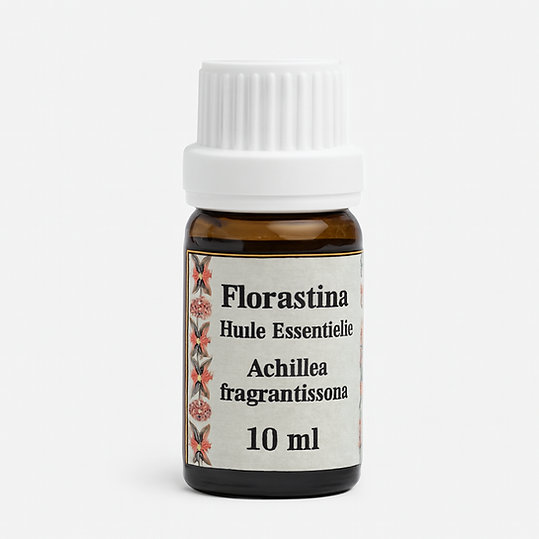
If you grow your own rosemary or thyme, treat it as flavor and fragrance for the kitchen and sachets. For concentrated, consistent aromatherapy use, a small bottle of properly distilled Origanum syriacum oil fills the gap home distillation can’t easily reach.
What Pests and Diseases Threaten These Plants?
Mediterranean herbs and shrubs evolved in lean, dry, well-drained soil, so most of their problems trace back to too much water or too little airflow. Root rot from overwatering is the single most common killer of lavender, rosemary, and thyme in home gardens, especially in heavier clay soils or containers without drainage holes.
Above ground, aphids and spider mites occasionally target new growth on rosemary and sage, particularly in greenhouse or container settings with still air. A strong jet of water or insecticidal soap usually handles both without resorting to harsher chemicals that would compromise the plant’s use in cooking or skincare. Powdery mildew can appear on mint and, less often, on sage during humid spells, and it spreads fastest where plants are crowded. Thinning plants for airflow does more to prevent it than any fungicide. Rosemary beetle, a metallic green and purple pest now established across parts of Europe, strips foliage from rosemary, sage, and lavender; hand-picking adults and larvae in early morning keeps small infestations from becoming large ones. The consistent fix across nearly every problem on this list is the same: better drainage, more airflow, and resisting the urge to fertilize or water like you would a vegetable bed.
How Do You Harvest and Process Aromatic Plants for Scent?
Timing and method both affect how much aroma survives from garden to jar. Harvest foliage herbs like thyme, oregano, and rosemary in the late morning on a dry day, after dew has evaporated but before the afternoon sun drives off too much volatile oil through evaporation. Flowers like lavender are best cut just as buds begin to open, since fully opened flowers have already begun releasing their fragrance into the air rather than holding it in the tissue.
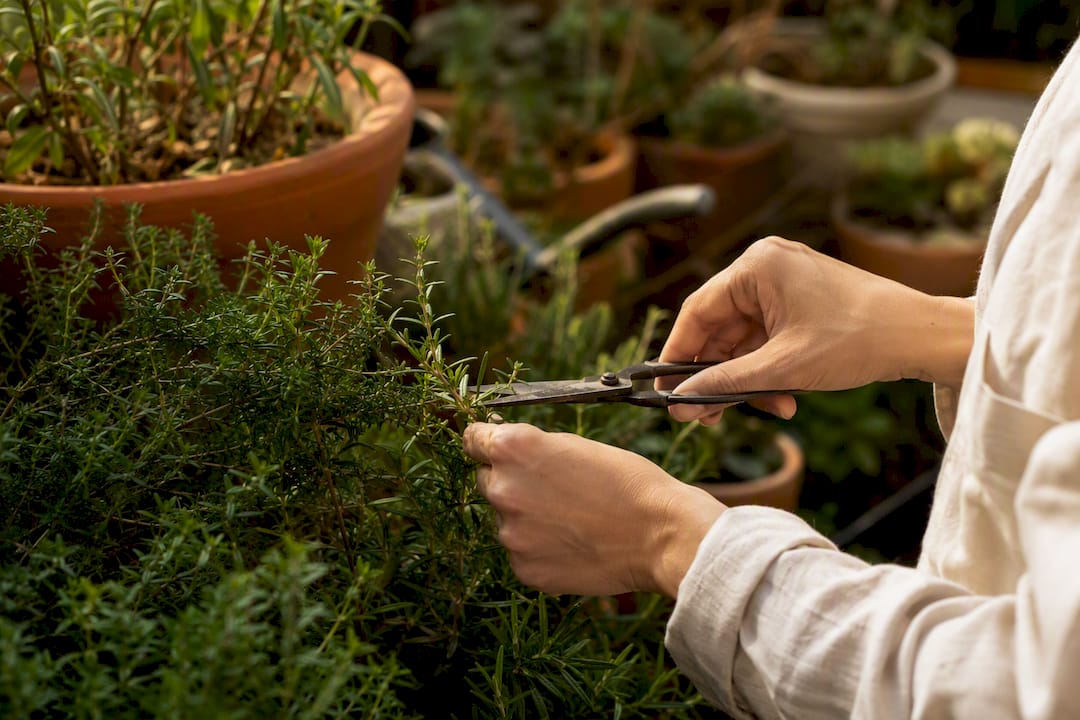
For home preservation, air-drying remains the simplest method: bundle small sprigs, hang them upside down in a dark, well-ventilated space, and expect two to three weeks depending on humidity. Darkness matters more than most people realize, since light degrades several of the terpenes responsible for scent. A dehydrator on its lowest setting works faster and preserves color better, though some gardeners find it flattens aroma slightly compared with slow air drying.
Commercial and serious hobbyist production relies on steam distillation, the same process used for centuries to make rose water and orange blossom water, where steam passes through plant material and carries volatile oils into a condenser. This is how essential oils are actually made, as opposed to infused oils, which simply steep plant material in a carrier oil and capture a milder, less concentrated version of the scent. Distillation concentrates the aromatic compounds dramatically, which is also why a genuine essential oil should always be diluted before skin contact.
How Are These Plants Used in Aromatherapy and Cosmetics Today?
The compounds that made these plants valuable to ancient cooks and healers are the same ones driving their use in modern aromatherapy and skincare. Rosemary oil, high in 1,8-cineole, shows up in scalp and hair-care formulations. Lavender, rich in linalool, remains the most common single ingredient in relaxation-focused diffuser blends and bath products. Sage and oregano extracts, both carrying notable antioxidant and antimicrobial phenolics, increasingly appear in natural preservative systems for cosmetics, an alternative to synthetic additives that brands marketing “clean” formulations lean on heavily.
Barbary Fig Seed Oil, pressed from prickly pear seed rather than distilled from an aromatic herb, represents a related but distinct branch of this tradition: a Mediterranean-region botanical valued not for scent but for its concentrated vitamin E and fatty acid content, widely used in anti-aging skincare. The throughline across both categories, aromatic oils and seed oils alike, is the same one that shaped Mediterranean gardens for millennia: the compounds a plant develops to survive its harsh native climate often turn out to be exactly what benefits human skin and well-being.
Why Have These Plants Mattered to Mediterranean Cultures for So Long?
Rosemary, bay laurel, and myrtle carried ceremonial weight in ancient Greece and Rome, woven into wreaths for victors and burned as offerings. Mastic resin from Pistacia lentiscus, tapped on the island of Chios for thousands of years, became valuable enough to be tightly controlled by Genoese and later Ottoman authorities, a rare case of an aromatic plant product shaping regional trade politics.
Across North Africa and the Levant, za’atar, a blend built on wild thyme, oregano, and sumac, moved from a foraged wild food to a cultural staple served daily, tying aromatic plants directly to identity and heritage rather than mere flavor. Jasmine holds similar status in parts of North Africa and the eastern Mediterranean, worn as garlands at weddings and grown specifically for its evening fragrance near homes. What unites these traditions isn’t a single use. It’s that nearly every Mediterranean culture treated the same core plants, thyme, rosemary, bay, myrtle, jasmine, as simultaneously food, medicine, and ceremony, rarely separating the three the way modern categorization tends to.
Does Soil or Altitude Really Change How Strong a Plant Smells?
Growing conditions change aroma intensity more than most gardeners expect. Lean, rocky, mineral-poor soil consistently produces more concentrated essential oil in Mediterranean herbs than rich, fertile soil, because the plant channels less energy into leafy growth and more into the secondary compounds, including terpenes, that make up its chemical defenses. A rosemary bush in gravelly, near-starved soil will often smell noticeably sharper than the same variety grown in enriched garden loam.
Water works the same direction. Mild drought stress concentrates oils in the leaves, while frequent irrigation dilutes them and pushes soft, less fragrant growth. This is a major reason nursery-grown herbs sometimes smell weaker at first than the same species growing wild on a dry hillside; they need a season of tougher conditions to build up their oil concentration.
Altitude and microclimate play a smaller but real role too. Plants grown at higher elevations with cooler nights and more intense daytime sun sometimes develop different terpene ratios than the same species at sea level, shifting the balance of a scent’s notes rather than its overall strength. None of this means you should neglect your plants into stress deliberately, but it does explain why the fussiest, most pampered plant in the garden is rarely the most fragrant one.
What the Research Actually Tells Gardeners
The conventional advice on Mediterranean gardening tends to fixate on drought tolerance and drainage, which is accurate but incomplete. What gets underemphasized is placement relative to human movement. The chemistry is clear: these plants release their strongest scent when disturbed or heated, not simply when grown well. A perfectly healthy rosemary hedge tucked at the back of a property delivers a fraction of the sensory payoff of the same plant crowding a well-used path.
The other gap in most guidance is treating fragrance as static once a plant matures. It isn’t. Soil fertility, water frequency, and pruning discipline all shift oil concentration season to season, which means a garden’s scent is something you actively manage, not something you plant once and collect forever. If you take one thing from this, prioritize where you put these plants before you worry about which cultivar to buy. Placement decides whether the aroma reaches you at all.
— abdelmuhsen
Bring the Garden Indoors With Palinova’s Mediterranean Botanicals
Growing thyme and rosemary at home gets you fresh flavor and a fragrant path, but distillation is what concentrates a plant’s aromatic compounds into something potent enough for daily aromatherapy or skincare use. That’s the gap Palinova’s Mediterranean Botanical Essential Oil Collection fills, sourced directly from Palestinian growers using traditional steam distillation rather than mass extraction.
Two places to start: the Wildcrafted Cypress Essential Oil, a resinous, woody oil steam distilled in small batches for perfumery and diffuser use, and the Achillea Fragrantissima Essential Oil, a lesser-known desert aromatic with a sharp, herbaceous profile you won’t find at a typical retailer. Every bottle comes with traceable sourcing, so you know exactly which growers and region your oil came from. If you’re not sure which scent profile fits your space or skin, Palinova offers a free aromatherapy consultation to match a botanical to your specific need. Browse the full collection and start with one bottle to see how a genuinely distilled oil compares to what you’re growing on the windowsill.
Sources
FAQ
What are typical Mediterranean plants?
The most typical are Lamiaceae herbs like lavender, rosemary, thyme, sage, and oregano, alongside aromatic shrubs like Cistus and Myrtus and trees like Pistacia, bay laurel, and citrus.
What is the most aromatic plant of the Mediterranean?
There’s no single “most” aromatic species since intensity depends on compound concentration and growing conditions, but thyme, oregano, and rosemary are consistently ranked among the strongest due to their high thymol, carvacrol, and eucalyptol content.
What are some examples of aromatic plants beyond common herbs?
Beyond kitchen herbs, jasmine, orange blossom, myrtle, bay laurel, and resinous Cistus (rock rose) all carry strong traditional fragrance uses in perfumery and incense.
What flowers are native to the Mediterranean region?
Native flowering species include several Cistus (rock rose) species, wild Lavandula varieties, native Jasminum species in parts of the region, and wild forms of myrtle, all long valued for scent as much as bloom.
Is it better to buy wild-harvested or cultivated Mediterranean essential oils?
Cultivated, traceable sources are generally the better choice, since wild harvesting places pressure on vulnerable populations of species like certain Salvia taxa, while cultivated and sustainably managed sourcing, the model Palinova follows, protects both the plants and the traditional knowledge tied to them.
Recommended


Comments