
Traceable Oils: Palinova for Mindful Buyers, Free Consults

Choose Palinova for authentic Palestinian botanicals combined with ethical sourcing and small-batch quality control. The brand’s range spans essential oils, seed oils, and skincare, backed by free aromatherapy consultations for buyers who want guidance rather than a guessing game. Every purchase also channels support toward rural producers and women-led cooperatives, which means the case for Why Choose Palinova rests on more than marketing language, supported by authentic sourcing and sustainable practices.
TL;DR:
Palinova sources botanicals directly from named farms and cooperatives in Palestine, ensuring traceability and supporting local communities.
The brand uses cold-pressing and low-temperature distillation to preserve the natural active compounds and aroma of its oils.
Product labels should include the botanical name, origin, extraction method, and batch number for assurance of craft quality and transparency.
Buyers are encouraged to start with small samples, such as a single essential or seed oil, and utilize free aromatherapy consultations for personalized guidance.
Certifications like organic or fair trade may vary; the brand emphasizes direct relationships and sustainability over formal seals.
Table of Contents
How Palinova Blends Tradition and Modern Quality Practices
Botanicals grown in Palestine carry a chemical signature shaped by specific soil mineral content, a Mediterranean climate with sharp seasonal shifts, and native plant varieties cultivated across generations. That combination, often called terroir in the world of fine agriculture, shows up directly in the finished oil: a sharper aromatic profile, a different balance of active compounds, and a scent that doesn’t fade into something generic after a few weeks on a shelf.
Palinova pairs that raw material with production methods meant to protect it rather than dilute it. Cold-pressing for seed oils and careful, low-temperature distillation for essential oils preserve the compounds that heat and rushed processing tend to destroy. Small-batch runs mean less time between harvest and bottle, which matters more than most buyers realize.
What that translates to on the shelf:
A cleaner, truer scent instead of a muted or “off” aroma
Longer shelf stability because fewer heat-damaged compounds degrade the oil early
A stronger concentration of the plant’s natural active profile
Consistency batch to batch rather than a formula that shifts with each harvest
This approach reflects the brand’s own account of blending Palestinian herbal knowledge with modern validation, rather than treating tradition and quality control as opposing forces.
Pro Tip: Check any essential oil label for four things: the full botanical name (not just a common name), the country or region of origin, the extraction method, and a batch or lot number. If a label is missing all four, that’s usually a sign of mass production, not craft.
Ethical Sourcing, Sustainability, and Community Impact
Palinova sources through direct relationships with farmers and women-led cooperatives rather than anonymous bulk suppliers, and the brand frames every purchase as reinvestment in rural Palestinian livelihoods. That distinction matters to anyone who has ever wondered where a $12 bottle of “pure” oil actually originated.
Sourcing splits between wildcrafted and cultivated botanicals depending on the plant. Wildcrafting, which means harvesting from naturally growing wild stock instead of a managed field, tends to fit hardy, native species that thrive without cultivation. Cultivated sourcing supports plants that need consistent, protected growing conditions and allows for more predictable annual yields, which helps farming communities plan their income year to year. Read more about the brand’s approach in its pioneer in ethical essential oils post.
Buyers who want proof beyond a brand’s own claims should look for a few concrete traceability signals:
A named farm, region, or cooperative on the product page, not just a country
Harvest season or year noted somewhere in the listing
Explicit small-batch or limited-run language
A batch code or lot number that lets a buyer trace a specific bottle
Product Range and How Customers Commonly Use Palinova Items
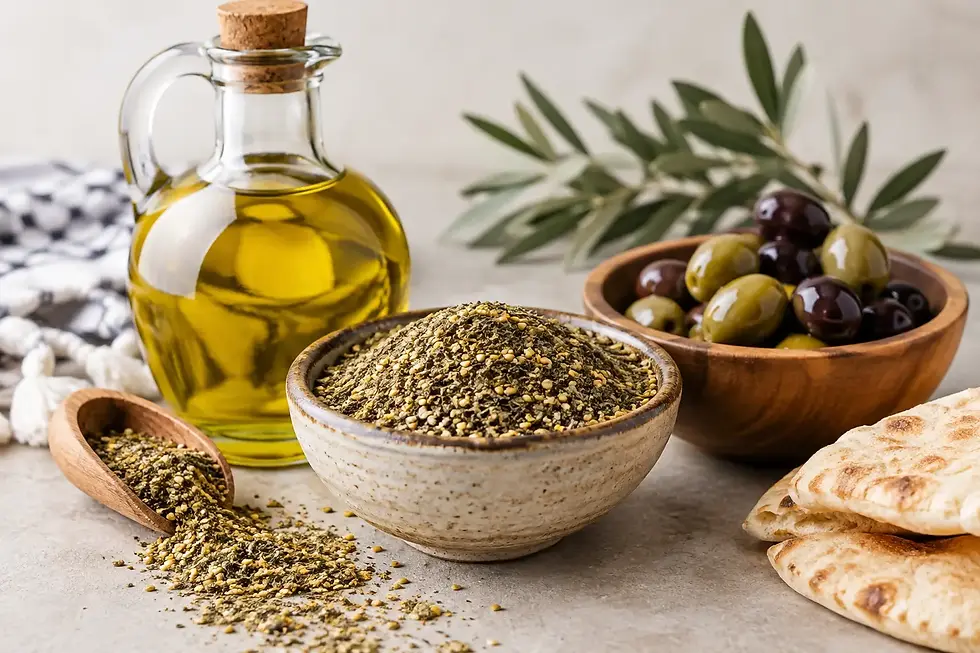
Palinova’s five categories map to distinct, practical uses rather than overlapping in one vague “wellness” bucket. Essential oils suit aromatherapy and diffusion. Seed oils target topical skincare, especially anti-aging routines. Skincare creams handle soothing and barrier repair for irritated or dry skin. Hair oils address strength and growth support. Culinary items, including za’atar and edible oils, bring the same sourcing standard into the kitchen rather than just the bathroom cabinet.
First-time buyers get the best read on the brand by starting small and specific:
Try a single essential oil vial with a basic diffuser before committing to a full aromatherapy routine.
Test a seed oil topically on a small patch of skin for 24 hours before applying it to your face or a larger area.
Sample a skincare cream on one small section of skin for several nights before making it a nightly staple.
Barbary fig seed oil deserves particular attention inside the seed oils lineup. Palinova positions it as a standout for anti-aging use, prized in traditional skincare for its high vitamin E and essential fatty acid content.
Customer Care, Guarantees, and How to Get Personalized Help
Palinova offers customer support to assist buyers who may be unhappy with a purchase, encouraging them to reach out through the site’s support contact. Check the returns window listed on the official policy page before initiating a return, since terms can vary by product category.
The free aromatherapy consultation gives buyers a chance to get matched to the right product before spending money on the wrong one:
Personalized oil or blend recommendations based on skin type, scent preference, or wellness goal
Dilution ratios and safe application guidance for topical or diffuser use
General usage tips, including how often and how much to use for a given goal
A few safety basics apply regardless of which product you choose: dilute essential oils before skin contact, never ingest an oil unless it’s explicitly labeled food-grade, and always patch test a new product before regular use.
Evidence and Proof Points Behind Palinova’s Claims
Palinova’s own material states the brand specializes in authentic Palestinian botanicals across essential oils, seed oils, skincare, hair care, and food, with sustainability and community support as stated pillars rather than an afterthought, according to its core positioning statement. A separate brand post details how the company blends inherited herbal knowledge with modern quality-focused practices, addressing safety and effectiveness rather than relying on tradition alone.
Independent coverage adds outside context. News Worthy Journal’s feature on the brand frames Palinova’s oils as part of an intentional aromatic routine, emphasizing that scent quality shapes the sensory experience of aromatherapy in ways cheaper oils rarely deliver. That’s useful lifestyle context, not a clinical endorsement, and readers should treat it as such.
“Palinova blends Palestinian herbal knowledge with modern validation and quality-focused practices,” the brand states on its own site, tying ancestral technique to present-day standards rather than presenting them as separate stories.
Company History and Mission
Palinova grew out of a straightforward frustration: high-quality Palestinian botanicals rarely reached international shelves in a form that preserved their character, and when they did, the story behind them usually got stripped out along the way. The brand’s mission centers on changing that. Instead of treating Palestinian agriculture as a supply source to be anonymized, Palinova keeps the origin story attached to every product, from the specific plant variety to the community that harvested it.
That mission shows up in how the company frames its own purpose: not simply selling oils and skincare, but preserving an agricultural heritage that spans generations of farming knowledge specific to the region’s soil and climate. The company positions ethical sourcing and sustainability as inseparable from that mission rather than as a marketing add-on layered over standard production.
Palinova’s growth has followed product category expansion rather than aggressive scaling. Starting with essential oils and seed oils, the brand extended into skincare, hair care, and traditional food products like za’atar and olive oil, each addition staying within the same sourcing standard rather than diluting it to move faster. That pattern suggests a company more interested in getting the standard right across more categories than in maximizing volume in any single one.

Certifications and Industry Recognition
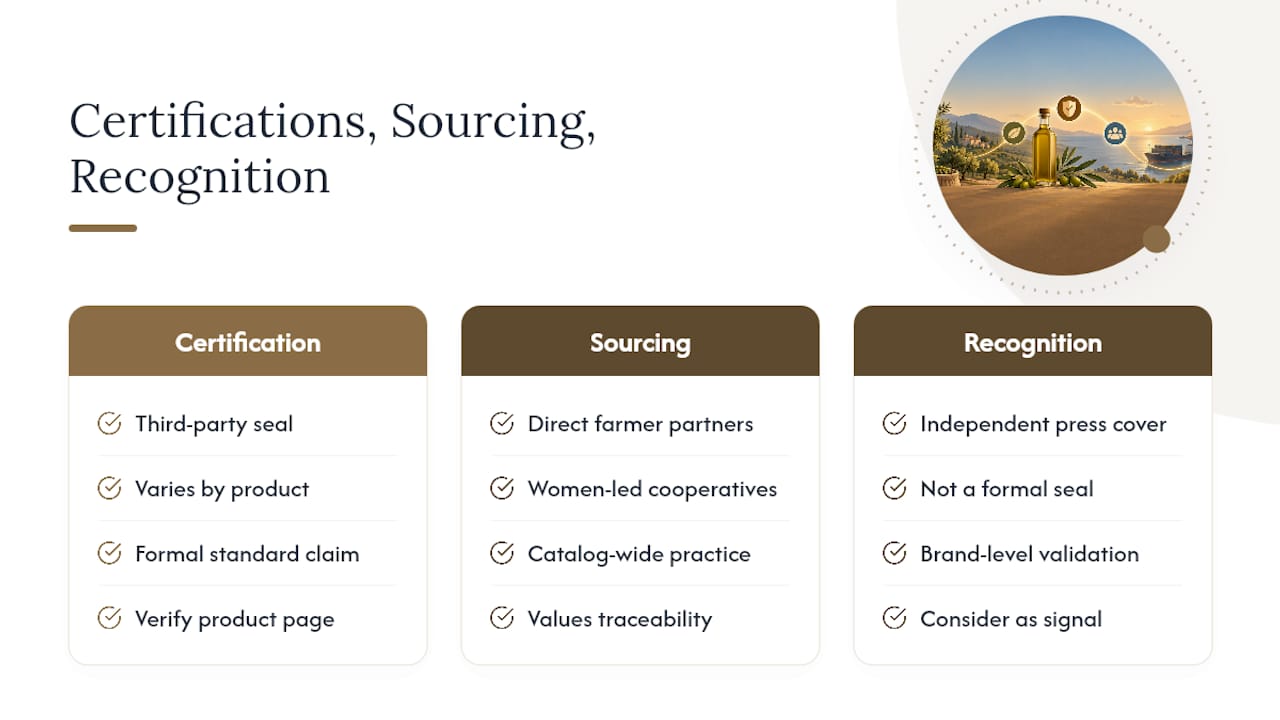
Buyers evaluating natural wellness brands often look first for organic or fair trade seals, since those labels offer a quick third-party signal of practice standards. Palinova’s public materials emphasize ethical sourcing, direct cooperative partnerships, and sustainability commitments as core to its identity, though shoppers should verify current certification status directly on individual product pages before assuming a specific formal seal applies, since certification details can change and vary by product line.
What Palinova does document clearly is its sourcing relationship model: direct partnerships with farmers and women-led cooperatives rather than sourcing through unnamed intermediaries. That structure aligns with the spirit behind fair trade certification, even when a formal label isn’t listed on every item. For a buyer who prioritizes traceability over a logo, that distinction can matter more than a badge.
Independent recognition also plays a role here. News Worthy Journal’s coverage of the brand’s aromatic oils offers a form of third-party validation that isn’t tied to a formal certification body, but still signals that the brand’s positioning holds up under outside scrutiny. Readers who want certainty on a specific certification for a specific product should check that product’s own page rather than assume blanket coverage across the entire catalog.
What Customers Say About Palinova
Palinova maintains a dedicated testimonials page where buyers describe their experience with specific products, and the recurring themes are worth noting: purity, potency, and a scent or texture quality that customers say distinguishes these products from mass-market alternatives they’d tried before.
That kind of feedback is useful, but it’s worth reading testimonials the way you’d read any review: as one person’s experience with one product, not a guarantee of your own results. A buyer with different skin sensitivity or a different scent preference may have a different reaction to the same bottle. What testimonials do reliably confirm is that Palinova’s quality claims aren’t purely theoretical. Enough customers report consistent potency and purity that it points to a real production standard behind the marketing language, not just aspirational copy.
If you’re deciding whether a product is worth trying, reading a handful of testimonials tied to that specific item, rather than the general brand page, tends to give a more useful signal than a broad satisfaction score.
How Palinova Compares to Other Wellness Brands
Most essential oil and skincare brands compete on price or on broad wellness claims that could describe almost any bottle on the shelf. Palinova competes on origin specificity instead. A generic “lavender essential oil” tells you almost nothing about growing conditions, extraction method, or sourcing ethics. A Palestinian-grown oil tied to a named cooperative, a stated extraction method, and a batch number tells you quite a bit more, and that difference in transparency is where Palinova separates itself from mass-market alternatives.
The other differentiator is the sourcing relationship itself. Many wellness brands source from large-scale distributors several steps removed from the actual grower, which makes any “ethical sourcing” claim difficult to verify. Palinova’s direct partnerships with farmers and women-led cooperatives create a shorter, more traceable supply chain, and the brand backs that structure with the free aromatherapy consultation, a service most competitors in this category skip entirely in favor of pure self-service checkout.
None of that means every Palinova product will outperform every competitor’s version of a similar oil on every metric. It does mean the brand’s claims are more checkable, and the sourcing model more accountable, than what most alternatives disclose.
Why This Brand Matters to Mindful Wellness Shoppers
There’s a version of wellness shopping that’s purely transactional: grab whatever oil is cheapest, use it until it’s gone, buy the next one without a second thought. Palinova asks for something different, treating a bottle of essential oil less like a commodity and more like an object with a specific origin and a specific hand in its production, which changes how you use it. A ritual built on that kind of attention tends to stick in ways described in this holistic regeneration approach rather than a random purchase never does.
Choosing ethically sourced products is worth treating as one explicit factor in a buying decision, not an obligation. If knowing your purchase supports a farming cooperative rather than an anonymous supply chain matters to you, that’s a legitimate reason to choose one brand over another, and it’s one more reason Palinova’s model holds up under scrutiny.
— abdelmuhsen
Ready to Try Palinova? Here’s Where to Start
Palinova gives you a way to buy natural wellness products without the usual guesswork of unlabeled sourcing or vague “pure” claims that don’t hold up on inspection. Start on the main shop page and browse by category rather than trying to take in the entire catalog at once.
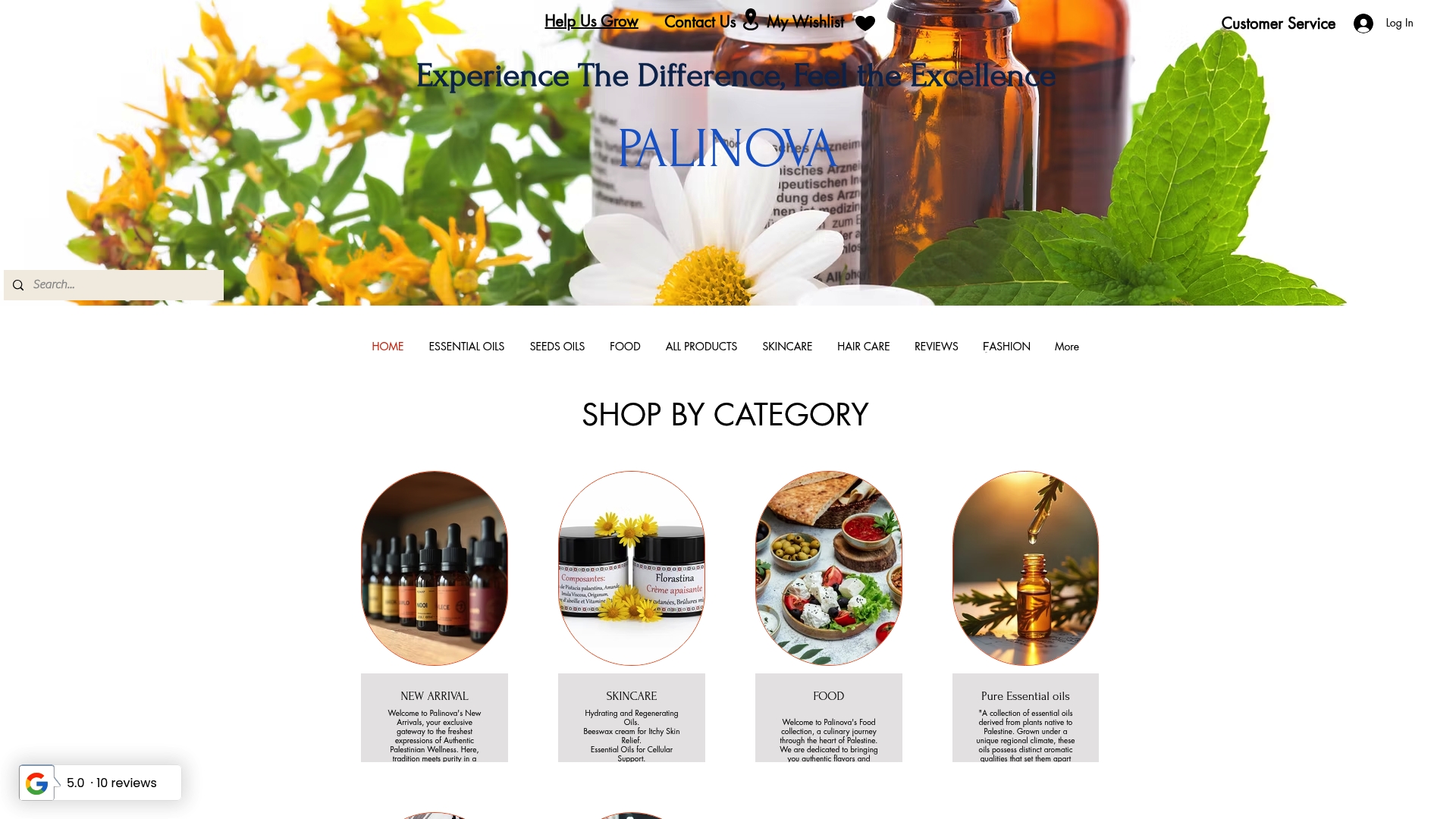
If you’re new to the brand, a smart entry point is a single seed oil or essential oil rather than a full skincare set. The seed oils collection includes the Barbary fig seed oil buyers often ask about for anti-aging use, and the skincare line offers a gentler starting option if creams fit your routine better than oils. Not sure which product fits your skin type or wellness goal? Request a free aromatheropy consultation before you check out, and remember that every order carries the brand’s satisfaction guarantee. A first purchase doesn’t have to feel like a gamble.
FAQ
Is Palinova Worth It for a First-Time Buyer?
Yes, if you value verifiable sourcing over the lowest possible price. Palinova’s direct cooperative partnerships and small-batch production give buyers more traceability than most mass-market alternatives, and the free aromatherapy consultation removes much of the guesswork from a first purchase.
What Makes Palinova Different From Other Essential Oil Brands?
Palinova ties every product to a specific Palestinian origin, a named extraction method, and, in many cases, a direct farmer or cooperative relationship rather than an anonymous supply chain. That transparency, paired with the brand’s blend of traditional botanical knowledge and modern quality practices, sets it apart from brands that rely on generic wellness claims.
Does Palinova Offer Organic or Fair Trade Certification?
Palinova’s sourcing model, built on direct partnerships with farmers and women-led cooperatives, reflects fair trade principles in practice. Specific certification status can vary by product, so check the individual product page for current details before assuming a formal seal applies.
How Much Do Palinova Products Cost?
Current prices for Palinova’s essential oils, seed oils, skincare, hair care, and food items are listed directly on the Palinova shop, since pricing varies by product and category. Checking the product page also confirms current stock and any bundle options available at checkout.
Recommended

Comments