
Health benefits of Origanum syriacum essential oil
- Palinova
- Jul 24
- 11 min read
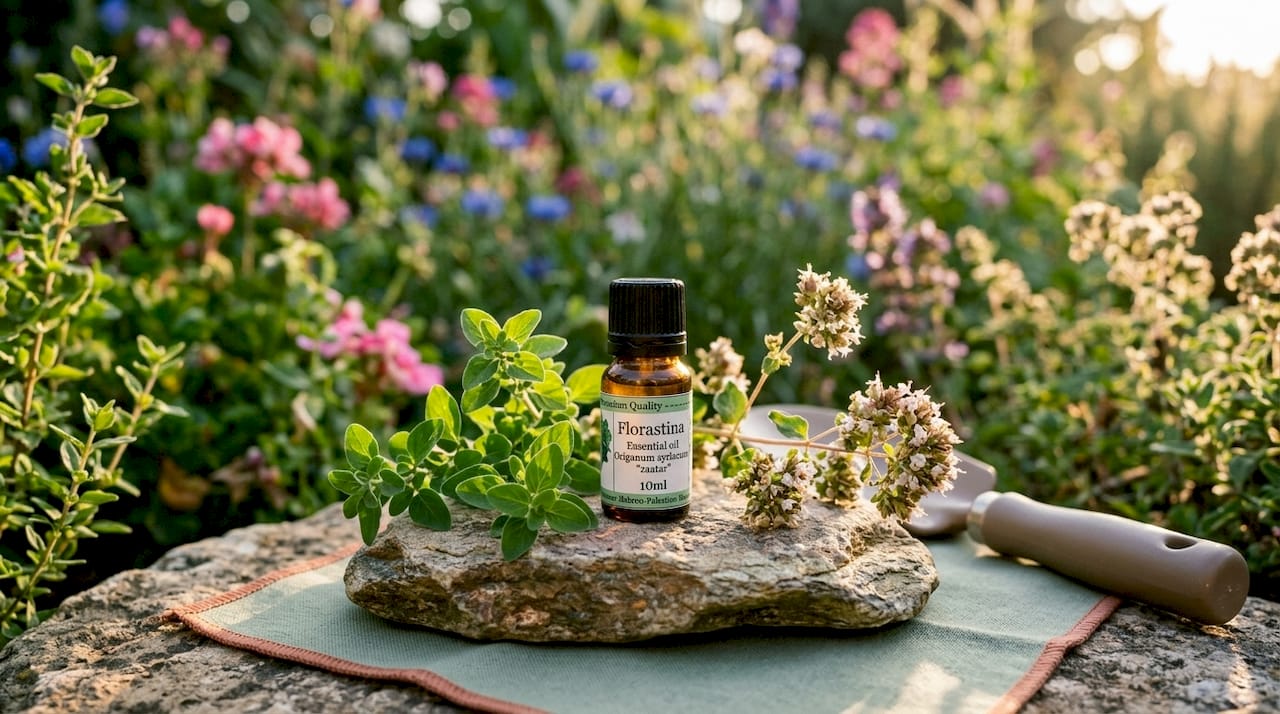
Origanum syriacum essential oil is one of the most potent plant-derived oils studied for therapeutic use, and its reputation is grounded in chemistry rather than folklore. The oil’s dominant compounds, carvacrol and thymol, account for the bulk of its bioactivity, driving effects that range from killing antibiotic-resistant bacteria to reducing inflammatory markers in animal studies. If you are looking for a natural oil with genuine scientific backing, this is one of the more credible options available.
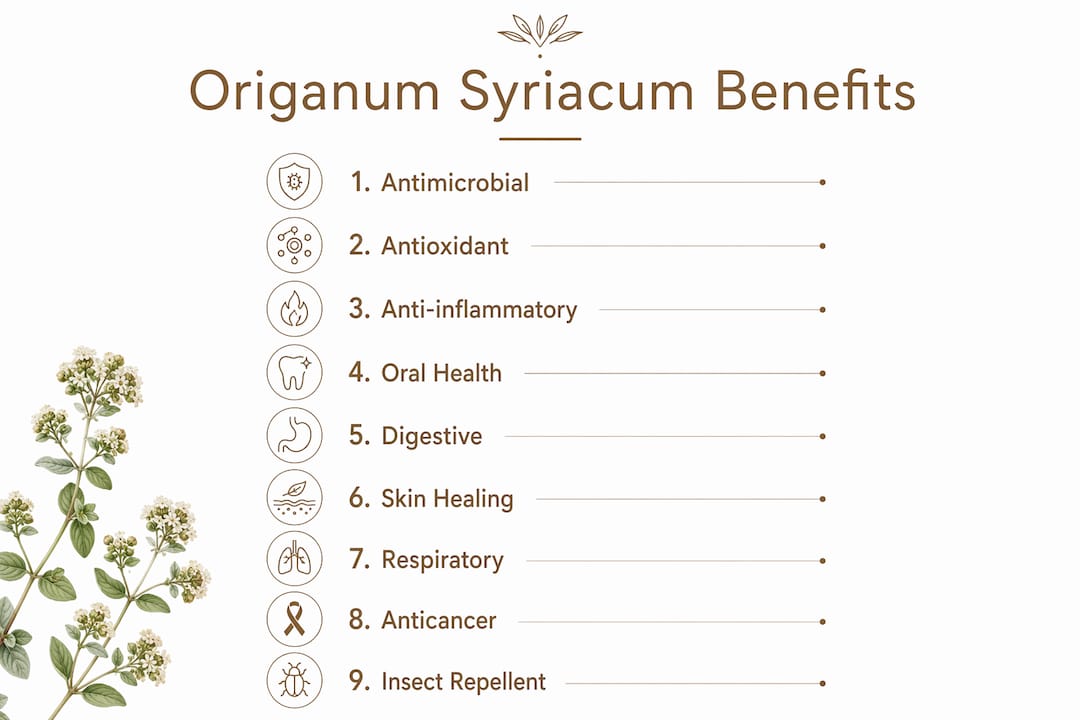
The core health advantages of this oil include:
Antimicrobial activity against a broad spectrum of bacteria, fungi, and some viruses
Antioxidant protection that helps shield cells from oxidative damage
Anti-inflammatory effects with potential immune-modulating properties
Digestive support, including relief from intestinal spasm and discomfort
Oral health benefits, particularly against pathogens linked to dental and gum infections
Skin health and wound care, including action against fungal skin conditions
Respiratory support, used traditionally for coughs and bronchial complaints
“O. syriacum essential oil and its extracts have extensive antimicrobial efficacy, giving it great importance in pharmaceutical and medical purposes. These properties are because of its richness in carvacrol and thymol, which are the predominant compounds in the essential oils” — PMC, National Institutes of Health
The distinction between eating za’atar as a culinary herb and using the concentrated essential oil therapeutically is critical. The oil is far more potent than the dried herb and requires careful handling. Clinical human trials remain limited, so the evidence base, while promising, is still largely drawn from laboratory and animal research.
Table of Contents
Health benefits of Origanum syriacum essential oil: what the science shows
Origanum syriacum sits in a different league from most oregano species when it comes to therapeutic potential. Its exceptionally high carvacrol and thymol concentrations, up to 79.8% carvacrol and up to 83.8% thymol depending on chemotype, give it a pharmacological profile that other oregano varieties rarely match. These two phenolic compounds are not simply flavour molecules; they are the engine behind nearly every health effect attributed to this oil.
1. Antimicrobial action against bacteria and fungi
The oil works against both Gram-positive and Gram-negative bacteria by a well-characterised mechanism. Carvacrol and thymol are hydrophobic, meaning they penetrate bacterial cell membranes readily. Once inside, they disrupt membrane permeability and inhibit ATPase activity, effectively starving the cell of energy and causing it to collapse. Laboratory studies have confirmed activity against pathogens including Staphylococcus aureus, Escherichia coli, Salmonella enterica, Klebsiella pneumoniae, and Pseudomonas aeruginosa.
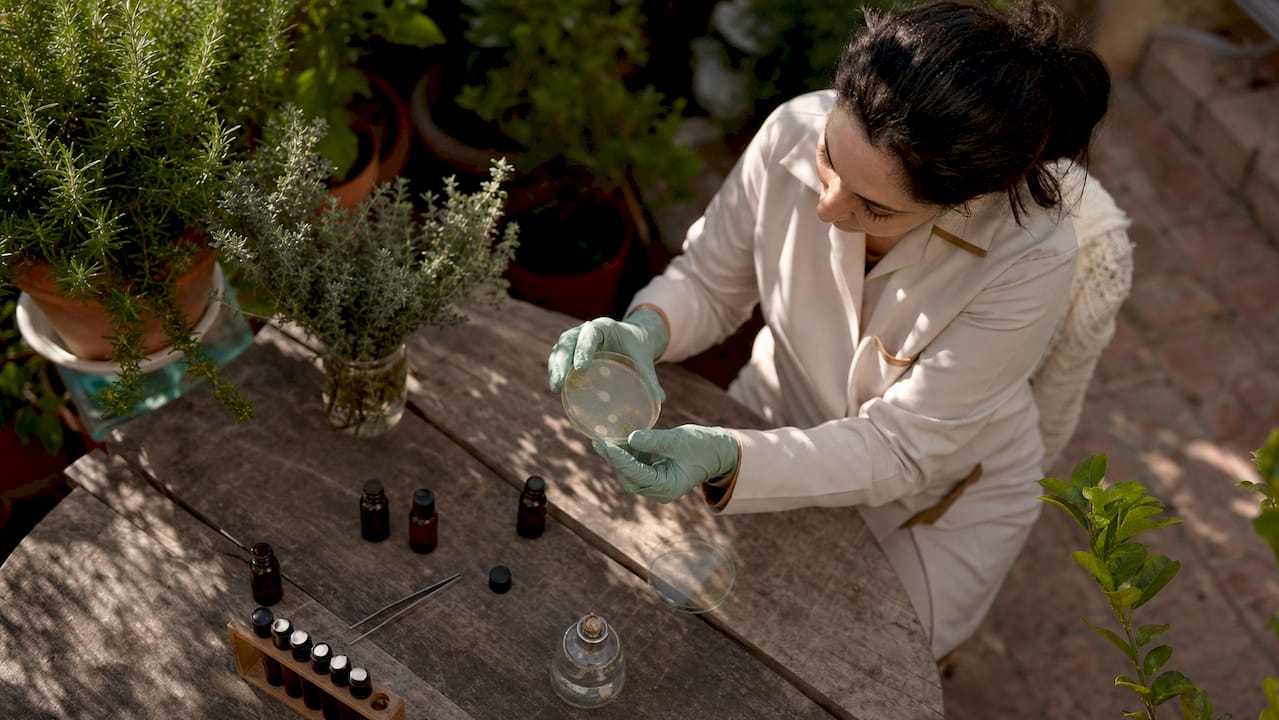
The antifungal mechanism follows a similar logic. The oil’s lipophilic nature allows it to penetrate fungal cell walls, damage mitochondria, inhibit aflatoxin biosynthesis, and deplete the ATP pool. Studies have shown efficacy against Candida albicans, the organism responsible for most yeast infections, as well as Aspergillus flavus and other common fungal pathogens. Its antimicrobial strength against resistant bacteria positions it as a promising natural companion to conventional antibiotics, though human trials are still needed to confirm clinical utility.
One nuance worth knowing: the oil’s antimicrobial potency is concentration-dependent and influenced by chemotype, soil type, and harvest timing. Two bottles labelled identically can differ meaningfully in activity if sourced from different growing conditions.
2. Antioxidant capacity and cell protection
Free radical damage accumulates quietly over time, contributing to ageing, chronic disease, and cellular dysfunction. The phenolic and flavonoid content of Origanum syriacum oil gives it measurable antioxidant activity that protects cells from oxidative stress and supports DNA repair mechanisms. Multiple laboratory assays have confirmed this effect, and it scales with concentration.
Eleven flavonoids have been identified in the plant, adding to the antioxidant profile beyond carvacrol and thymol alone. This matters because different antioxidant compounds neutralise different types of free radicals, so the oil’s broad phenolic spectrum offers wider protection than a single-compound supplement would.
3. Anti-inflammatory properties
Carvacrol reduces the expression of genes involved in the inflammatory response, and animal studies have demonstrated reductions in inflammatory markers including swelling and pro-inflammatory cytokines. This is relevant for conditions driven by chronic low-grade inflammation, from joint discomfort to skin irritation.

The immune-modulating angle is worth noting separately. Rather than simply suppressing inflammation, carvacrol appears to influence how immune cells respond to stimuli, which could have implications for autoimmune conditions. Human research in this area is still early, so the practical applications remain speculative for now.
4. Oral health benefits
The oil has shown particular promise for oral health. Laboratory studies confirm efficacy against oral pathogens including Staphylococcus aureus, Streptococcus mutans (a primary driver of tooth decay), and Candida albicans (the organism behind denture stomatitis and oral thrush). These findings suggest potential applications in mouthwash formulations or oil-pulling practices, though standardised clinical protocols have not yet been established.
5. Digestive support and gut health
Origanum syriacum has a long history in traditional medicine as a carminative and antispasmodic, used to relieve bloating, intestinal cramps, and digestive discomfort. The antispasmodic properties of carvacrol and thymol help relax smooth muscle in the gut wall, which explains the traditional use for stomach pain. The oil’s antimicrobial action also means it may help reduce populations of harmful gut bacteria, though this cuts both ways: at high concentrations, it can disrupt the balance of beneficial gut flora as well.
Pro Tip: If you are using Origanum syriacum oil to support digestion, always dilute it significantly and consider a food-grade oregano oil product rather than a pure essential oil, which is far too concentrated for internal use without specialist guidance.
6. Skin health and wound healing
Topically applied (always diluted), the oil’s antimicrobial and anti-inflammatory properties make it useful for minor skin infections, fungal conditions such as athlete’s foot, and wound care. Traditional medicine in the Levant region has long used O. syriacum preparations for skin fungus, and laboratory evidence supports this application. The antioxidant compounds also contribute to skin protection against environmental oxidative stress, which connects to broader anti-ageing skincare applications.
For those interested in how traditional Middle Eastern oils fit into modern skincare, Palinova’s guide on essential oils for anti-ageing covers this territory in detail.
7. Respiratory support
O. syriacum has been used for centuries as a remedy for coughs, bronchial congestion, and respiratory infections. The antimicrobial activity against respiratory pathogens provides a plausible mechanism, and the aromatic compounds in the oil may help open airways when used in steam inhalation. Antiviral evidence is thinner: the oil has shown activity against Herpes Simplex Virus Type 1 in laboratory settings, but broader antiviral claims require more research before they can be stated with confidence.
8. Potential anticancer effects
In vitro studies have confirmed cytotoxic activity against colon cancer and breast cancer cell lines, attributed primarily to carvacrol’s ability to induce apoptosis (programmed cell death) in malignant cells. This is genuinely interesting science. However, current evidence is mostly in vitro or animal-based, and the gap between a laboratory dish and a human tumour is enormous. No clinical trials have established Origanum syriacum oil as a cancer treatment, and it should never be used as a substitute for oncology care.
9. Natural insect repellent
Carvacrol and thymol have demonstrated insect-repelling properties in studies involving ticks, mosquitoes, and fire ants. This is a practical, lower-risk application of the oil that does not require ingestion or intensive dilution protocols. Diluted in a carrier oil and applied to exposed skin, it offers a plant-based alternative to synthetic repellents for everyday outdoor use.
10. Oral antimicrobial synergy with other compounds
One detail that separates O. syriacum from single-compound extracts is the synergistic effect between its components. Studies have confirmed that carvacrol and thymol together produce greater antimicrobial activity than either compound alone, and the presence of γ-terpinene, β-myrcene, and sabinene in the oil’s full profile adds further complexity to its action. This synergy is one reason why whole essential oils often outperform isolated compounds in laboratory comparisons.
“The antimicrobial efficacy of essential oils is caused by phenolic and monoterpene components, the most important of which are carvacrol and thymol. Many studies have confirmed the synergistic effect between essential oil components.” — PMC, National Institutes of Health
Chemical composition at a glance
Compound | Role | Typical range |
Carvacrol | Primary antimicrobial and antioxidant | Up to 79.8% |
Thymol | Antimicrobial, antifungal, antioxidant | Up to 83.8% |
γ-Terpinene | Precursor to carvacrol and thymol | Variable |
β-Myrcene | Aromatic, potential anti-inflammatory | Variable |
Sabinene | Aromatic monoterpene | Variable |
The carvacrol and thymol figures reflect the maximum recorded concentrations; actual levels vary by chemotype, growing region, and harvest time. Palestinian-grown O. syriacum, the botanical source behind Palinova’s products, is cultivated in conditions that have historically produced high-phenol chemotypes.
How Origanum syriacum compares to other oregano species
Most commercially available “oregano oil” in the UK is derived from Origanum vulgare, the common Mediterranean oregano. O. syriacum, also known as za’atar or Bible hyssop, is a distinct species with a chemical profile distinguished by exceptionally high carvacrol and thymol concentrations compared to other oregano varieties. This difference in phenolic density partly explains why O. syriacum is considered more potent for therapeutic purposes. The antimicrobial minimum inhibitory concentrations recorded for O. syriacum essential oil are generally lower than those for O. vulgare, meaning less oil is needed to achieve the same effect against a given pathogen.
How to use Origanum syriacum essential oil safely
The single most important thing to understand about this oil is concentration. What makes it therapeutically potent also makes it potentially irritating or harmful when used incorrectly. Pure essential oil can cause irritation if applied undiluted, and oral ingestion of concentrated oil carries real risks that are not present with the culinary herb.
Dilution and topical application
Always dilute in a carrier oil before applying to skin. A 1–2% dilution (roughly 1–2 drops per teaspoon of carrier oil such as jojoba, sweet almond, or olive oil) is appropriate for most adults.
Perform a patch test on a small area of inner arm skin before wider application. Wait 24 hours and check for redness, itching, or swelling.
Avoid applying near eyes, mucous membranes, or broken skin.
Do not use undiluted on children or people with sensitive skin conditions.
Aromatherapy use
Add 3–5 drops to a diffuser with water and run for no more than 30–60 minutes at a time.
For steam inhalation, add 1–2 drops to a bowl of hot (not boiling) water, drape a towel over your head, and inhale for 5–10 minutes.
Avoid prolonged, unventilated exposure, particularly for people with asthma or respiratory sensitivities.
Oral use: proceed with caution
Oral ingestion of pure essential oil is not recommended without direct guidance from a qualified healthcare professional. The oil is highly concentrated, and adverse effects from oral administration are possible at doses that might seem small. Food-grade oregano oil supplements, which are pre-diluted to safe concentrations, are a different product category and carry their own dosage guidelines from the manufacturer.
Safety warnings and contraindications
Pregnancy and breastfeeding: avoid therapeutic use of the essential oil during pregnancy; the safety profile has not been established in this group.
Medication interactions: carvacrol may interact with blood-thinning medications. Consult your GP or pharmacist before use if you take anticoagulants.
Allergies: people with known allergies to plants in the Lamiaceae family (mint, basil, lavender, sage) should exercise caution and consult a healthcare provider.
Children: essential oils are generally not recommended for use on or around young children without specialist advice.
Storage: keep in a dark glass bottle away from direct sunlight and heat. Properly stored, the oil retains potency for 2 years.
Animal toxicity studies on oral administration showed no adverse haematological or biochemical changes under controlled conditions, which is reassuring background data. That said, controlled animal studies use precise doses that are difficult to replicate in everyday use, so the safety margin in practice is narrower than those results might suggest.
Integrating the oil into a daily wellness ritual alongside other aromatic practices is a sensible way to use it consistently without overdoing any single application.
Does Origanum syriacum oil affect cholesterol?
The cholesterol-related research on O. syriacum essential oil is still at an early stage, and most of the available evidence comes from animal models rather than human trials. Carvacrol has been studied in rodent models for its effects on lipid metabolism, with some findings suggesting it may reduce total cholesterol and LDL levels while supporting HDL function. The proposed mechanism involves carvacrol’s influence on hepatic enzyme activity and its antioxidant protection of LDL particles from oxidative modification, which is a key step in the development of arterial plaque.
What the science does not yet support is a specific dosage recommendation or a clinical claim that the oil lowers cholesterol in humans. The anti-inflammatory properties of the oil are relevant here too, since chronic vascular inflammation is closely tied to cardiovascular risk. Using the oil as part of a broader wellness approach that includes diet and exercise is a reasonable framing; using it as a standalone cholesterol treatment is not supported by current evidence.
Can Origanum syriacum oil support weight management?
The weight-related research on carvacrol is genuinely interesting, even if it is preliminary. Animal studies have shown that carvacrol supplementation can reduce fat accumulation and body weight gain, with proposed mechanisms including effects on gene expression related to fat cell formation (adipogenesis) and improvements in metabolic rate. Thymol has also been studied for its potential to modulate gut microbiota composition in ways that may support metabolic health.
The practical reality is that no essential oil is a weight loss tool on its own. What the research suggests is that carvacrol may have metabolic effects that complement a calorie-controlled diet and regular physical activity, rather than replacing them. Aromatherapy use of the oil may also support stress reduction, and chronic stress is a well-established driver of weight gain through cortisol-mediated appetite changes. These are indirect pathways, but they are plausible ones.
Palinova’s approach to Origanum syriacum essential oil
Palinova sources its Origanum syriacum essential oil directly from Palestinian botanical heritage, a region where za’atar has been cultivated and used medicinally for centuries. The agricultural conditions of the Levant, including the soil composition, altitude, and climate, contribute to the high-phenol chemotype that makes Palestinian O. syriacum particularly valued for its therapeutic profile. Every product in the Palinova range is free from synthetic additives and produced with ethical sourcing practices that respect both the land and the communities that tend it.
The Origanum syriacum essential oil Palinova offers is steam-distilled to preserve the full aromatic and bioactive profile of the plant. This matters because heat-sensitive compounds can degrade under less careful extraction methods, reducing both the fragrance and the therapeutic value of the finished oil. Palinova also offers a range of complementary Palestinian botanicals, including frankincense essential oil, geranium essential oil, and Barbary Fig seed oil for skin care, all rooted in the same commitment to authentic sourcing.
For those new to therapeutic essential oils, Palinova provides free personalised aromatherapy consultations, which is a practical way to get guidance on dilution ratios, application methods, and which oils suit your specific health goals before you commit to a routine.
Pro Tip: When exploring Palestinian essential oils for the first time, Palinova’s aromatherapy and za’atar guide is a useful starting point for understanding how these oils have been used historically and how to integrate them into modern wellness practice.
Palinova’s skincare range also incorporates botanical oils with proven skin-active properties, and the new arrivals section regularly features seasonal additions from the Palestinian botanical catalogue. Complementary oils worth exploring alongside O. syriacum include Achillea fragrantissima for its own anti-inflammatory profile, Aleppo pine for respiratory support, and wildcrafted cypress for circulatory and toning applications. For digestive wellness, fennel seed oil pairs well with O. syriacum’s gut-supportive properties. The Pistacia palaestina oil rounds out the range with its own distinct therapeutic character rooted in Palestinian tradition.
Where to find Palinova’s Origanum syriacum oil
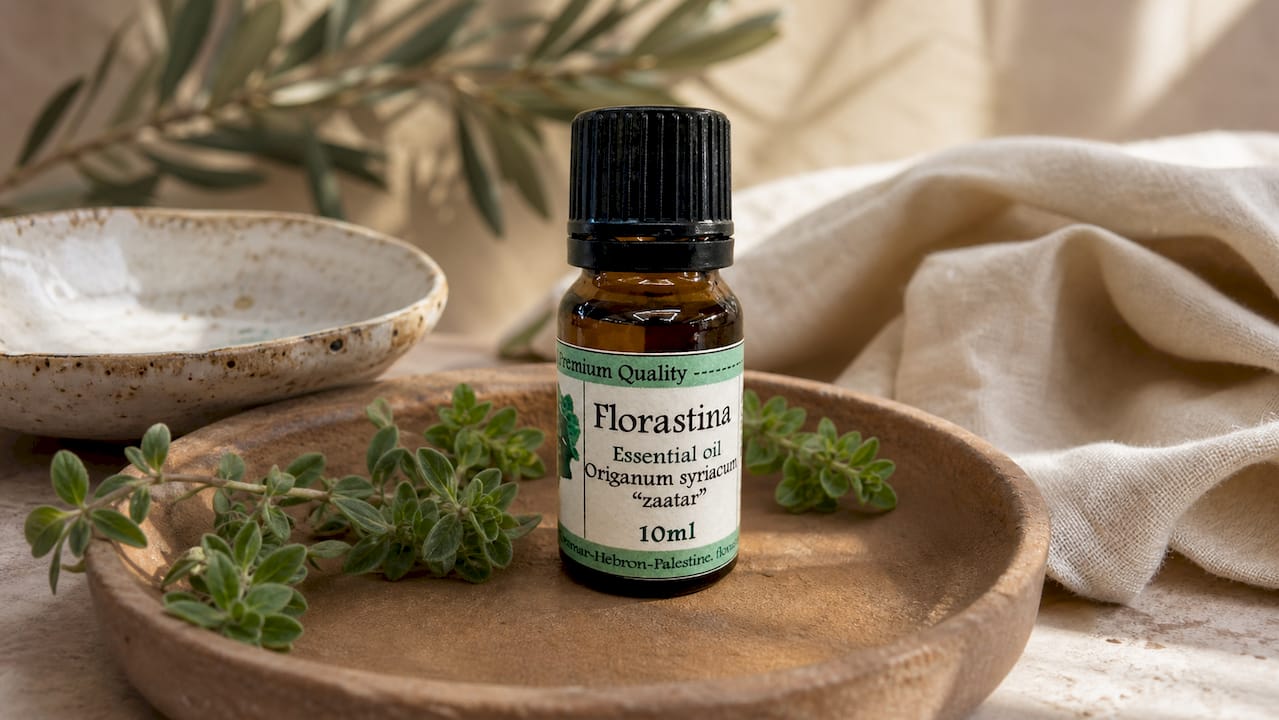
Palinova offers something specific that most essential oil retailers do not: direct traceability to Palestinian botanical sources, combined with free expert consultation so you actually know how to use what you buy. For anyone who has read this far and wants to move from research to practice, the pure za’atar essential oil is the natural starting point. It is steam-distilled, additive-free, and backed by the kind of sourcing transparency that matters when you are using an oil for health purposes rather than just fragrance.
A natural body brush pairs well with diluted Origanum syriacum oil for a full-body skin care routine that combines mechanical exfoliation with the oil’s antimicrobial and anti-inflammatory properties.
Book a free aromatherapy consultation through the Palinova website to get personalised guidance on dilution, application, and which oils from the Palestinian range suit your specific goals. The consultation costs nothing and takes the guesswork out of building a routine that actually works for you.
Key takeaways
Origanum syriacum essential oil’s health benefits are driven primarily by carvacrol and thymol, two phenolic compounds that give it antimicrobial, antioxidant, and anti-inflammatory properties supported by laboratory and animal research.
Point | Details |
Active compounds | Carvacrol (up to 79.8%) and thymol (up to 83.8%) are responsible for the oil’s core therapeutic effects, providing potent antimicrobial and antioxidant properties. |
Antimicrobial breadth | The oil acts against Gram-positive and Gram-negative bacteria, fungi including Candida albicans, and some viruses. |
Clinical evidence limits | Most research is in vitro or animal-based; human clinical trials remain scarce, so therapeutic claims require cautious interpretation. |
Safe use requires dilution | Pure oil must always be diluted before topical application; oral ingestion of undiluted oil carries real risks. |
Palinova’s sourcing | Palinova’s steam-distilled O. syriacum oil is ethically sourced from Palestinian botanical heritage, with free aromatherapy consultations available. |
Recommended

Comments