

How to Identify Pure Oils Before You Buy

A bottle can look beautiful, smell botanical, and still leave you guessing what is actually inside. Learning how to identify pure oils is less about finding one dramatic test and more about reading the full story: the plant, the place, the extraction, the maker, and the care taken between harvest and bottle.
For oils that become part of your skincare, aromatherapy, or kitchen ritual, purity deserves more than a vague promise on the front label. It should be something a brand can describe clearly and stand behind.
How to Identify Pure Oils by Reading the Label
Start with the ingredient statement, not the marketing language. Terms such as “natural,” “premium,” “therapeutic,” and “pure” can be meaningful, but they are not standardized proof on their own. A transparent label tells you exactly what the product is.
For an essential oil, look for one botanical ingredient, ideally presented with both its common and Latin name. For example, true frankincense should identify the Boswellia species used, because different species have different aromatic profiles and traditional uses. A thoughtful label may also name the plant part, such as resin, leaf, flower, peel, or seed, and state whether the oil was steam distilled, cold pressed, or extracted another way.
For a plant or carrier oil, the ingredient list should be equally direct. A pure Barbary fig seed oil, black seed oil, or olive oil should not be hidden inside a blend of unnamed vegetable oils, mineral oil, fragrance, silicones, or preservatives. Blends have their place, especially when formulated for a specific skin concern, but they should be sold honestly as blends.
Pay close attention to the word “fragrance.” In a facial oil or body oil, fragrance can refer to a proprietary mixture that is not fully disclosed. That does not automatically make a product poor, but it means it is not the same as a single-ingredient botanical oil. If you are seeking a simple, traceable oil, clarity matters.
The Botanical Name Tells a Deeper Story
Plants carry regional character. The soil, rainfall, elevation, harvest timing, and local cultivation practices can shape an oil’s aroma, fatty-acid profile, and sensory character. This is why provenance is more than a romantic detail. It is part of the product’s identity.
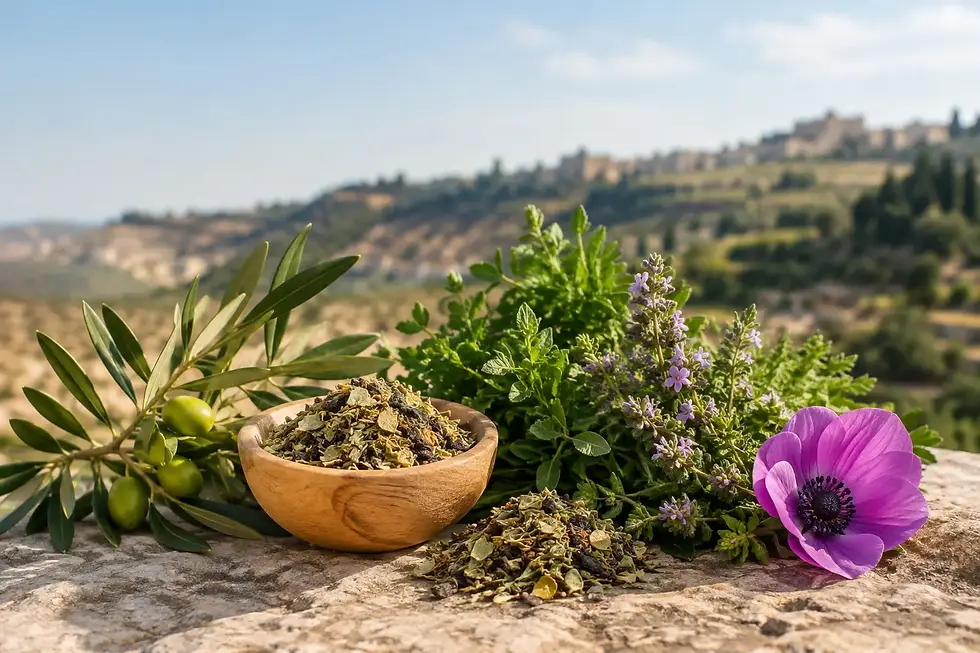
Look for a specific country or growing region rather than a broad claim such as “Mediterranean sourced.” When a maker can name the landscape, cooperative, farm, or harvesting community, it suggests a shorter and more accountable path from plant to bottle. Palestinian botanicals such as Origanum syriacum, helichrysum, pine, and frankincense connect especially deeply to place, where generations of agricultural knowledge guide when and how plants are gathered.
Still, origin alone is not a guarantee of purity. A beautiful origin story should be paired with practical facts: the species, extraction method, batch information, and complete ingredients. The strongest products honor both heritage and evidence.
Know What “Pure” Can and Cannot Mean
Purity is not the same as potency, safety, organic certification, or suitability for every use. A pure essential oil is highly concentrated and can still irritate skin if used undiluted. A pure cold-pressed seed oil can be richly nourishing but may not be the best fit for every skin type. And an oil can be authentic yet naturally vary in color or aroma from one harvest to the next.
The goal is not to demand that every bottle smell identical. Nature is not a factory. The goal is to find makers who explain natural variation rather than masking it with added fragrance or vague claims.
Ask How the Oil Was Extracted and Handled
Extraction has a direct effect on what reaches the bottle. Steam distillation is common for aromatic leaves, flowers, woods, and resins. Cold pressing is typically used for citrus peels and many culinary or beauty oils. Seed oils may be cold pressed or expeller pressed, while some delicate oils are extracted with solvents or carbon dioxide.
No one method is automatically superior. It depends on the plant and intended use. Cold-pressed olive oil preserves a different expression of the fruit than refined olive oil. Steam-distilled essential oil captures volatile aromatic compounds, while an infused oil contains plant material steeped in a carrier oil. These are distinct products, and a trustworthy label makes that distinction clear.
Ask whether the oil has been refined, deodorized, diluted, or blended. Refining can improve stability or create a lighter texture, which may suit some cosmetic formulas. But if you are buying an oil for its full botanical character, you deserve to know whether it is virgin, unrefined, filtered, or processed.
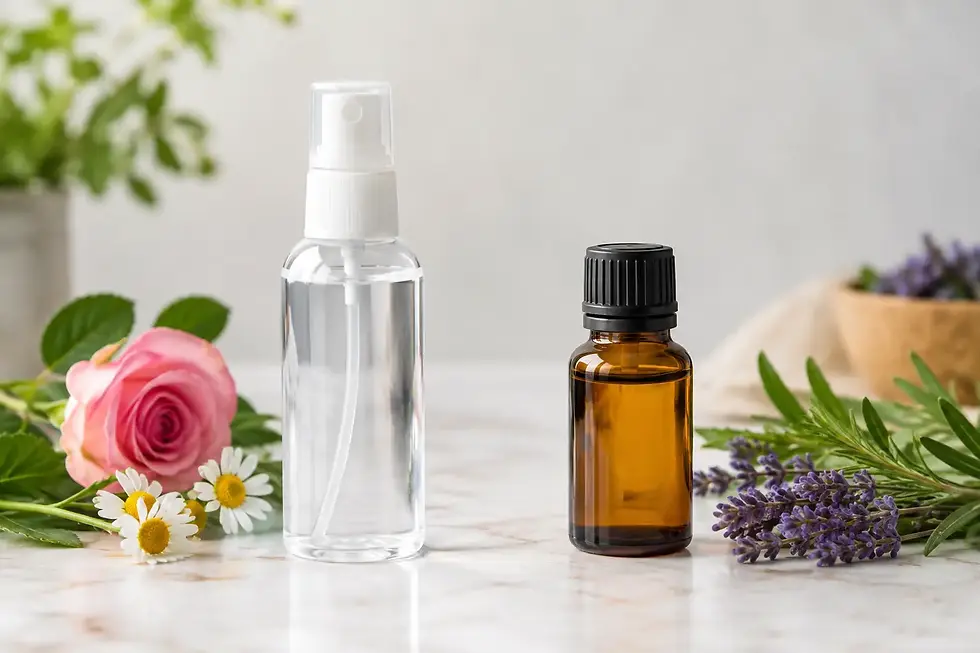
Packaging offers another useful clue. Essential oils generally belong in tightly sealed dark glass to help protect their volatile constituents from light and air. Many seed oils also benefit from opaque or dark bottles, particularly oils rich in delicate fatty acids. Clear plastic packaging, no lot number, and no storage guidance do not prove an oil is impure, but together they can suggest that preservation was not a priority.
Let Your Senses Inform You, Not Mislead You
A genuine oil should feel alive, not artificially perfect. Its aroma may be green, resinous, peppery, floral, earthy, or quietly complex. Frankincense, for example, can carry citrus, pine, balsamic, and warm resin notes rather than smelling like a single flat perfume accord.
But scent alone is not a reliable purity test. Synthetic fragrance can smell convincing, and a consumer cannot identify every adulterant simply by opening a cap. The old paper-blotter test is also limited. Essential oils evaporate at different rates, while carrier oils naturally leave a mark. A residue does not confirm or disprove authenticity.
Use your senses as one part of a larger assessment. Notice whether a carrier oil smells stale, sour, waxy, or sharply rancid. Observe whether an essential oil has an oddly perfumed sweetness that seems disconnected from the plant. Then return to the label, the batch information, and the brand’s willingness to answer questions.
Look for Testing, Traceability, and Honest Answers
For essential oils, responsible suppliers may use laboratory analysis, including gas chromatography and mass spectrometry, to assess the oil’s chemical profile and screen for unexpected additions. These reports are valuable, especially when paired with batch-specific documentation and interpretation from a knowledgeable producer.
Testing is not a magic stamp. A report needs to correspond to the actual batch, and it should make sense for the named species and extraction method. For culinary and carrier oils, quality controls may include fatty-acid analysis, peroxide values, acidity, microbial testing, or contaminant screening, depending on the oil. You do not need to become a chemist to shop well. You do need to choose sellers who can explain their standards in plain language.
Before buying, consider whether the company can answer these questions:
What is the full botanical name and plant part?
Where was it grown or wildcrafted?
How was it extracted?
Is it a single oil, or a blend with other ingredients?
Is batch testing or quality documentation available?
At PALINOVA, this relationship between botanical heritage and careful validation is central: the story of an oil begins in the soil, but it should be carried forward with responsible sourcing and clear standards.
Be Wary of Prices That Ignore the Plant
Some oils are naturally more costly because the plant yields very little oil, grows slowly, or requires careful hand harvesting. Rose, neroli, sandalwood, helichrysum, and certain seed oils are examples where unusually low prices deserve a closer look. A tiny bottle of a rare oil cannot realistically cost the same as an abundant citrus oil without compromises somewhere in the supply chain.
Price is not proof, either. A high price can reflect beautiful packaging and luxury positioning rather than exceptional raw material. Look for proportion: Does the price make sense for the botanical, bottle size, sourcing detail, and extraction method? A well-made oil is an investment in material, labor, and stewardship, not simply a label.
Use Pure Oils With Respect
Once you find an oil you trust, use it according to its category. Essential oils should generally be diluted before topical use, kept away from eyes and mucous membranes, and introduced with a patch test. Some essential oils are not appropriate during pregnancy, for young children, around pets, or for people with particular health concerns. A qualified aromatherapy consultation can help when your needs are specific.
Culinary oils require their own care. Check that the product is explicitly intended for food use, store it away from heat and light, and follow the producer’s guidance for freshness. Do not assume that an essential oil is safe to ingest simply because it comes from a plant.
The most meaningful bottle is not the one with the loudest promise. It is the one whose origin, ingredients, and handling remain clear from first glance to final drop - a small, daily gift of the earth that lets you care for yourself with confidence.
Comments