
Verify High Quality Essential Oils in 5 Minutes: GC/MS First Buyer Checklist
A high-quality essential oil is one that the seller can actually prove is what they say it is. That proof comes down to three things: a batch-specific GC/MS report or Certificate of Analysis (COA), full botanical labeling, and packaging that protects the oil from light and plastic contamination. If a bottle can’t clear those three checks in under five minutes, keep shopping.
TL;DR:
Verify that the essential oil has a batch-specific GC/MS report or Certificate of Analysis, a full botanical label with Latin binomial, and packaging that protects against light and plastic contamination.
Confirm that the GC/MS report matches the lot number on the bottle, is recent, and is from a reputable third-party lab to ensure purity, especially for high-risk botanicals like rose or sandalwood.
Check that the origin is specifically named, the extraction method is listed, and the price reflects the botanical yield, with high-quality oils costing more for expensive species such as rose or neroli.
Ensure the bottle is made of amber or cobalt glass, has a controlled dosing orifice reducer, and the seller provides prompt, specific answers about sourcing, lab details, and lot numbers.
Discard oils that oxidize quickly, especially citrus oils, and store them in cool, dark places, writing the purchase date on bottles to monitor shelf life within one to three years.
Table of Contents
What makes a high-quality essential oil: the label and packaging test
Flip the bottle over before you even smell it. The label carries the first layer of proof, and it takes less than a minute to read.
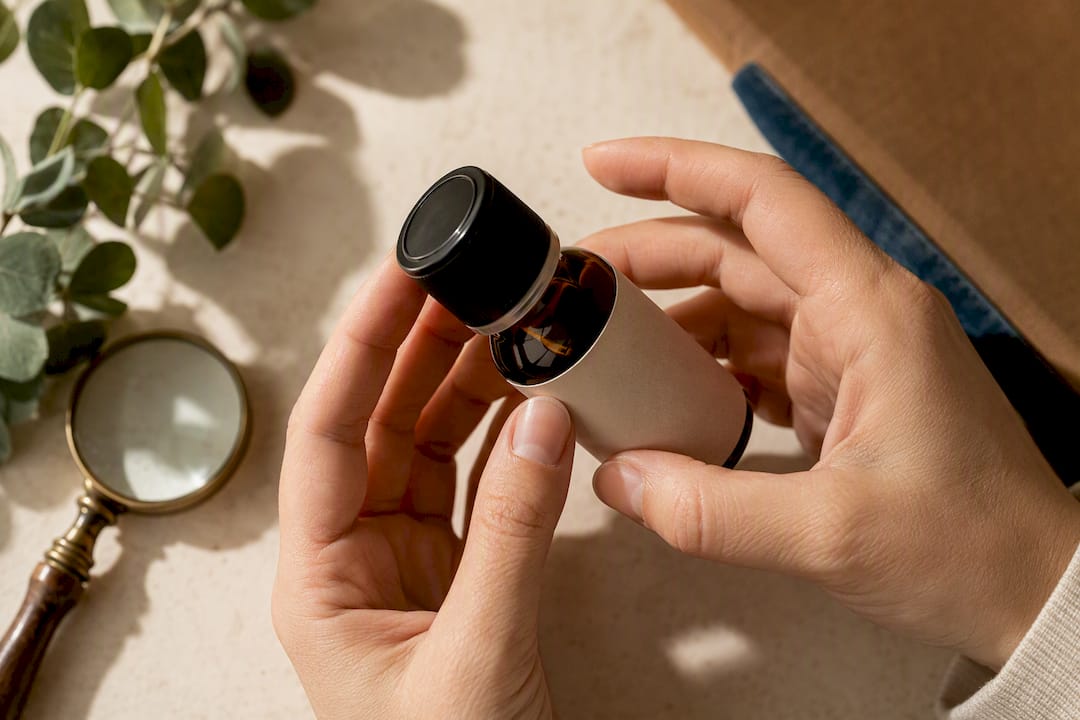
Start with the Latin binomial. “Lavender” tells you nothing useful, but Lavandula angustifolia tells you exactly which species you’re getting, and species differences matter for both scent and safety. A lavender bottle labeled only in English could be true lavender or a cheaper lavandin hybrid with a harsher chemical profile.
The label should also state the plant part (flower, leaf, root, peel), the extraction method, net volume, and a lot or batch number. That batch number is the thread connecting the physical bottle to any lab report the seller provides.
Packaging matters just as much as what’s printed on it:
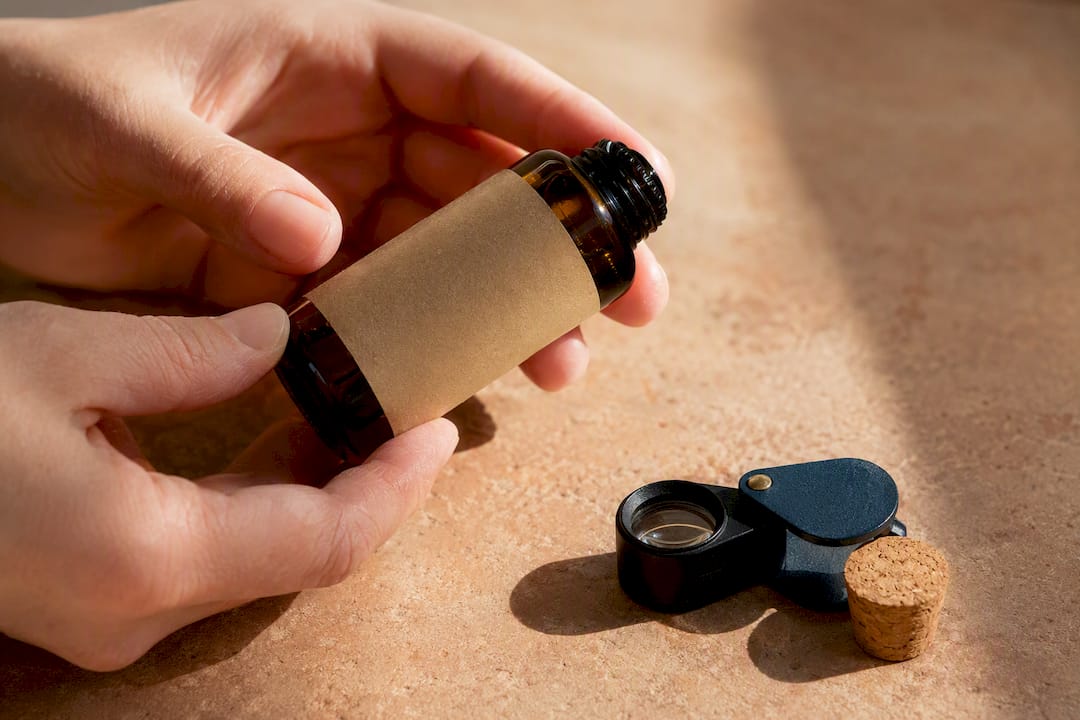
Amber or cobalt glass, never clear glass or plastic, since UV light degrades the oil’s chemistry over time
An orifice reducer that limits airflow and controlled dosing
No plastic caps or droppers, since many oil compounds can break down plastic and leach contaminants into the product
Reading a GC/MS report and COA without a chemistry degree
Gas chromatography-mass spectrometry, or GC/MS, is currently the gold standard for verifying essential oil purity. The test separates an oil into its individual aromatic compounds and reports each one as a percentage, so you can compare what’s actually in the bottle against the expected natural range for that botanical.
You don’t need to interpret every peak on the chromatogram. You need three things to line up:
The lot number on the COA matches the lot number printed on your bottle
The report is dated close to your purchase, not years old
A named third-party lab, not the brand’s own marketing team, ran the test
Pro Tip: Email the seller and ask for the COA tied to the exact lot number on your bottle. A legitimate supplier answers within a day with a document, not an apology.
Watch for reports that look more like brochures than lab data: no lab name, no lot number, or numbers that seem copied across multiple product listings. GC/MS is powerful, but it isn’t the final word on every fraud case. For high-risk, expensive botanicals like rose or sandalwood, some labs pair GC/MS with chiral GC or isotope analysis to catch more sophisticated adulteration that a standard test might miss.
Sourcing and production: where the plant grew and how it was pressed
Origin and extraction method shape the final chemistry as much as the species does. A rose oil grown at high altitude in one region can smell and test differently than the same species grown elsewhere, and buyers deserve to know which they’re getting.
Ask sellers to name the country or region of origin, and be wary of vague answers like “sourced globally.” The Tisserand Institute’s supplier checklist treats named growing regions and distiller relationships as a core green flag, not a nice extra.
Extraction method matters too, and it changes what’s actually safe and effective:
Steam distillation is standard for most flowers, leaves, and woods
Cold expression is used for citrus peels and carries a shorter shelf life
CO2 extraction or solvent-based absolutes pull different compounds than steam distillation, which affects both scent and how the oil should be used
A seller who can name their distiller, and explain why this year’s harvest smells slightly different from last year’s, is showing you normal batch variation rather than hiding it.
Why identical prices across every oil is a red flag
Price tells you almost as much as a lab report, if you know how to read it. A rose or neroli oil requires enormous amounts of raw plant material to produce a single milliliter, while citrus and conifer oils come from high-yield sources that cost far less to process. When a seller charges the same $12 for rose otto and lemon oil, something is wrong with one of them.
Run through these checks before buying:
Compare the price to known yield. Rose, jasmine, and sandalwood should cost noticeably more than lavender, tea tree, or citrus oils from the same brand.
Search the exact product name plus “COA” or “GC/MS.” A real supplier’s documentation usually turns up on their own site or through a quick email request.
Distrust “therapeutic grade” on its own. No governing body regulates that term, and the label means nothing without batch testing behind it.
Flag missing lot numbers. If a seller can’t tell you which batch you’re buying, they can’t produce a matching lab report either.
How long essential oils actually last on the shelf
Most essential oils hold peak quality for one to three years, and the range depends heavily on the botanical. Citrus oils oxidize relatively quickly, generally within a shorter timeframe compared to heavier woods and resins, which can remain stable for longer periods when stored properly.
Light, heat, and oxygen are the three forces working against every bottle. Amber glass blocks light, a tight cap limits oxygen exposure, and a cool, dark cabinet does the rest.
Write the opening date on the bottle the day you break the seal
Store oils away from windows, stoves, and bathroom humidity
Discard any oil that smells sharp, sour, or noticeably different from when you bought it
Pro Tip: Citrus oils go first. If you’re not using orange or lemon oil within a year, buy smaller bottles instead of stockpiling.
The five-minute seller check before you buy
Run this before you add anything to your cart, especially from a new or unfamiliar shop.
Ask for the COA tied to the specific lot number on the bottle you’re about to buy
Confirm the lab name is printed on the report and search it to verify it’s a real third-party facility
Ask which country or region the plant was grown in, and expect a specific answer, not “worldwide sourcing”
Check that the plant part and extraction method are listed on the product page itself, not buried in an FAQ
Walk away if the seller has no COA, gives a vague or delayed answer, ships in plastic, or prices every botanical the same regardless of yield. Any one of those alone is a caution sign. Two or more together means look elsewhere.
How these standards shape responsible sourcing and buying decisions
Small, authentic suppliers can absolutely meet lab-backed transparency standards. Traceable sourcing and batch testing aren’t reserved for large manufacturers. They’re a matter of choosing accountability over shortcuts, and consumers can apply the same checklist whether they’re shopping for a skincare formulation or a home diffuser blend. None of this replaces a conversation with a doctor or qualified aromatherapist for medical concerns.
— abdelmuhsen
How Palinova applies these same verification standards
Palinova exists because traceability shouldn’t be optional in this industry. Every botanical comes from named growing regions across Palestine, with distiller relationships the brand can actually describe rather than a vague “globally sourced” line, and batch transparency built into how products are documented from harvest to bottle.
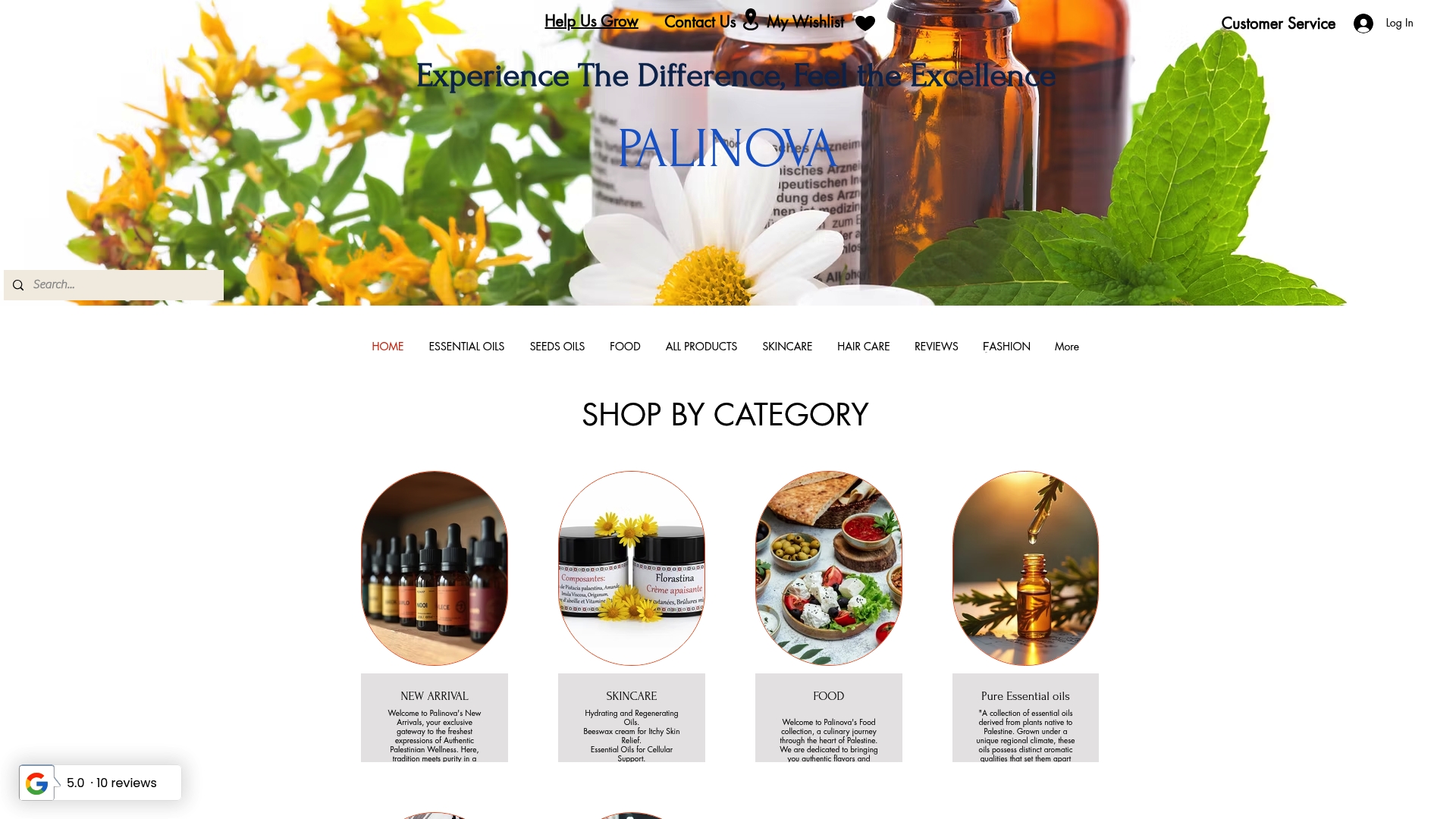
If you want to see the checklist in this article applied to a real product, look at the Origanum Syriacum Za’atar Essential Oil or the Achillea Fragrantissima Essential Oil, both tied to specific Palestinian sourcing rather than generic supply chains. Some sellers offer aromatherapy consultations, so if you have questions about a lot number, a botanical’s origin, or which oil fits your skin or wellness routine, you may be able to ask directly before you buy. Browse the full essential oils and skincare collection and request the documentation behind any bottle you’re considering.
Sources
FAQ
How can you tell if an essential oil is high quality?
Ask the seller for a batch-specific GC/MS report or COA matching the lot number on your bottle, and check that the label lists the Latin name, plant part, extraction method, and origin. If the bottle is dark glass and the price reflects realistic botanical yield, those signs together point to a legitimate, well-verified oil.
What is the highest quality essential oil brand?
There’s no single certified “best” brand, since no regulatory body grades essential oils by an official quality tier. The strongest indicator isn’t a brand name but whether that brand publishes batch-specific lab reports and full sourcing details, which is the standard Palinova builds its Palestinian-sourced oils around.
What should you avoid when buying essential oils?
Avoid bottles with no lot number, no available COA, or a “therapeutic grade” claim used as a substitute for real testing, since that term carries no regulated meaning. Also skip plastic packaging and sellers who charge identical prices across botanicals with very different natural yields.
What is the highest grade of essential oil?
No official grading system like “Grade A” or “therapeutic grade” is regulated or standardized in the essential oil industry. The real marker of quality is documented proof, a current batch-specific GC/MS report, full label transparency, and traceable sourcing, rather than a marketing label on the bottle.
Recommended


Comments