
Why Essential Oils Vary So Much From Brand to Brand
- Palinova
- 6 days ago
- 15 min read

Essential oils vary between brands because they come from living plants, and plant chemistry shifts with genetics, soil, sun, harvest timing, and how the oil is pulled from the plant. Two bottles labeled “lavender oil” can come from different chemotypes, different altitudes, and different distillation setups, and still both be genuine. On top of that, brands make their own choices about testing, blending, and disclosure, which is where the honest differences end and the marketing games begin.
Here’s the short version of what actually drives the differences you smell and pay for:
Genetics and chemotype: the same species can produce oils with wildly different chemical profiles.
Growing environment: soil, sun exposure, altitude, and plant stress all shift aroma compounds.
Harvest timing and plant part: when and what you harvest changes concentration and character.
Wildcrafted vs. cultivated: wild plants and farmed plants respond differently to their surroundings.
Extraction method: steam, cold-press, and CO₂ each pull out different molecules.
Storage and age: heat, light, and time change an oil after it leaves the still.
Testing and transparency: batch-specific lab data separates real quality claims from guesswork.
The rest of this guide breaks down each of these forces with real examples, then gives you a shopping checklist you can actually use.
Key Takeaways
Essential oils differ between brands mainly because plant genetics, growing environment, harvest choices, and extraction method all shape chemistry before a brand ever touches the bottle.
Point | Details |
Chemotype drives scent | The same species can produce chemically distinct oils, so botanical name plus chemotype matters more than the common name. |
Terroir shapes chemistry | Soil, altitude, sun, and plant stress all shift aroma compound concentrations, which is why declared origin matters. |
Harvest timing affects yield and cost | Pre-bloom, peak bloom, and post-bloom harvests change concentration, and low-yield botanicals like rose cost far more. |
Transparency beats price as a quality signal | Batch-specific GC/MS reports and COAs verify purity better than price or marketing claims alone. |
Palinova documents provenance directly | Palinova names region, harvest context, and species for Palestinian botanicals like Origanum syriacum and frankincense. |
Table of Contents
Why Essential Oils Vary So Much From Brand to Brand: Plant Genetics and Chemotypes
Two lavender plants can share a species name and produce chemically different oils. That’s because of something called a chemotype: a genetic variant of a plant that produces a distinct ratio of aromatic compounds even though it looks the same and carries the same Latin name.
This matters more than most shoppers realize. Lavandula angustifolia (true lavender) typically runs high in linalool and linalyl acetate, giving it that soft, floral, calming scent aromatherapists prize. Lavandula latifolia (spike lavender) leans heavily toward camphor and 1,8-cineole, producing a sharper, more medicinal smell. Lavandula x intermedia (lavandin), a natural hybrid of the two, splits the difference and is often used in soaps and cleaning products because it’s cheaper to grow and yields more oil per acre. All three get sold as “lavender oil” somewhere on the market, and all three are legitimately labeled if the brand names the species correctly.
Genetic diversity doesn’t stop at the species line, either. Within Lavandula angustifolia alone, cultivars grown from different seed stock, or wild populations that have adapted to a specific valley over generations, can shift the ratio of linalool to camphor by a meaningful margin. The same pattern shows up across other families: some rosemary chemotypes run high in camphor, others in verbenone or cineole, and each smells and behaves differently on skin.
A brand selling high-camphor lavender isn’t necessarily selling a lesser oil. It’s selling a different plant chemistry, and if the label doesn’t specify species and chemotype, you have no way to know which one you’re getting.
This is why the botanical name plus chemotype on a label isn’t a technicality. It’s the single fastest way to know whether two “identical” oils from different brands are actually comparable, or whether you’re comparing a floral lavender to what is chemically closer to a mild camphor oil. Consumer guides that track why essential oils smell different from batch to batch consistently point back to genetics as the starting point, before you even factor in where the plant grew.
How Terroir, Soil, Sun, and Plant Stress Shape Scent
Wine drinkers talk about terroir. Essential oil chemistry works the same way, and the effect can be just as dramatic as swapping chemotypes.
Soil mineral content, pH, and water availability all influence how much of a plant’s energy goes into producing secondary metabolites, the compounds responsible for aroma and much of an oil’s therapeutic character. Sandy, well-drained soil under intense sun tends to concentrate aromatic oils in a way that richer, wetter soil doesn’t, because the plant is producing those compounds partly as a defense mechanism, not just as a metabolic byproduct.
Altitude adds another layer. Lavender grown at higher elevations, where nights are cooler and UV exposure is more intense, often develops a more complex, higher-ester profile than lowland lavender grown for volume. It’s a well-documented pattern in the fragrance industry: high-altitude French and Bulgarian lavender fields are prized specifically because the temperature swings between day and night push the plant to produce more linalyl acetate.
Stress plays a bigger role than most people expect. Drought stress, pest pressure, and temperature extremes can all increase concentrations of certain aroma compounds as the plant ramps up chemical defenses. A plant that struggles a little, within reason, often produces a more concentrated, complex oil than one grown under easy, irrigated, climate-controlled conditions.
Two lavender fields fifty miles apart, with different soil composition and elevation, can produce oils that a trained nose would never mistake for the same batch.
This is exactly why declared country and region of origin on a label matters beyond marketing appeal:
Soil mineral profile and pH change nutrient uptake and metabolite production.
Altitude and temperature swings intensify or soften aromatic compounds.
Drought and pest stress can increase concentrations of defensive aroma chemicals.
Sun exposure duration and intensity affect how much aromatic oil a plant produces per gram of biomass.
Does Harvest Timing and Plant Part Change the Oil?
Yes, and the difference can be large enough to change both the scent and the price. A plant’s chemical profile shifts throughout its growth cycle, so the same lavender field harvested at three different points could yield three noticeably different oils.
[
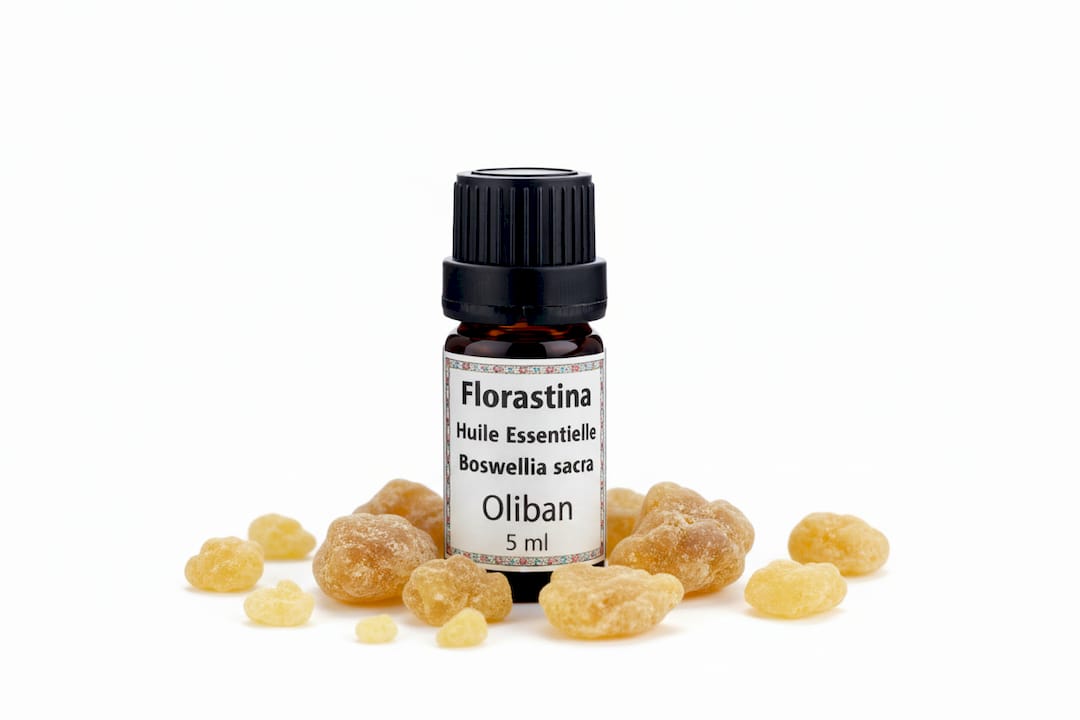
Pre-bloom harvest tends to capture higher concentrations of certain volatile compounds before the plant redirects energy toward flowering. Peak bloom, the most common harvest window for flowering herbs, usually balances yield and aromatic quality. Post-bloom harvest often produces a duller, less complex oil because the plant has already spent much of its chemical energy on reproduction.
Which part of the plant gets harvested matters just as much. Steam-distilled flowers (rose, chamomile) produce a very different chemical fingerprint than expressed citrus peel (bergamot, lemon), even when both processes are extracting oil from what’s technically the same plant family’s fruiting structures versus flowering structures. Bark, resin, root, and seed all carry their own distinct aromatic chemistry, which is one reason cinnamon bark oil and cinnamon leaf oil, from the same tree, smell and behave completely differently on skin.
Yield callout: it takes roughly 60 rose blossoms to produce a single drop of rose otto oil, while a single lemon tree can yield pounds of peel oil in one pressing season. That yield gap is the biggest reason rose and neroli oils cost dramatically more per milliliter than citrus oils, independent of any brand markup.
Pre-bloom harvest often concentrates certain volatile compounds before flowering.
Peak bloom balances aromatic complexity with practical yield for most flowering botanicals.
Different plant parts (flower, leaf, bark, resin, peel) carry entirely different chemical profiles.
Low-yield botanicals (rose, neroli, melissa) command higher prices almost purely on scarcity.
Wildcrafted vs. Cultivated: Does It Change the Oil?
Wildcrafted means the plant grew on its own, unmanaged, and was harvested from its natural habitat rather than a farmed field. Cultivated means someone planted, irrigated, fertilized, and managed the crop. Both can produce excellent oil, but they rarely produce identical oil.
Wild plants growing in competition with other species, dealing with inconsistent water, and adapting to native soil conditions often develop a more complex, sometimes more potent chemical profile than a cultivated crop optimized for uniform growth and high yield. That’s not automatically “better.” It’s different, and it’s also less consistent from harvest to harvest, since wildcrafters can’t control growing conditions the way a farm manager can.
Soil health matters regardless of which path a plant takes. Crop rotation, avoiding chemical fertilizers, and organic growing practices all support the kind of soil microbiology that produces richer secondary metabolite profiles. A depleted, over-farmed field, wild or cultivated, tends to produce thinner, less aromatic plants over time.
There’s a real trade-off here. Wildcrafting can support ecosystems and produce distinctive oils, but it also carries sustainability risk if a species is overharvested faster than it regenerates. Reputable brands treat this as a supply chain decision, not just a marketing claim.
Pro Tip: If a brand claims “wildcrafted,” ask where and by whom. A vague answer usually means the claim wasn’t verified past a supplier’s paperwork.
Wildcrafted plants adapt to natural stress and often yield more chemically complex, less consistent oils.
Cultivated plants offer more supply reliability but depend heavily on soil management practices.
Organic and rotation-based farming supports stronger secondary metabolite production over time.
How Extraction Method Changes Scent and Safety
The same flower can produce different oils depending entirely on how it’s processed. Extraction method isn’t a footnote. It’s one of the biggest levers a producer has over the final scent.
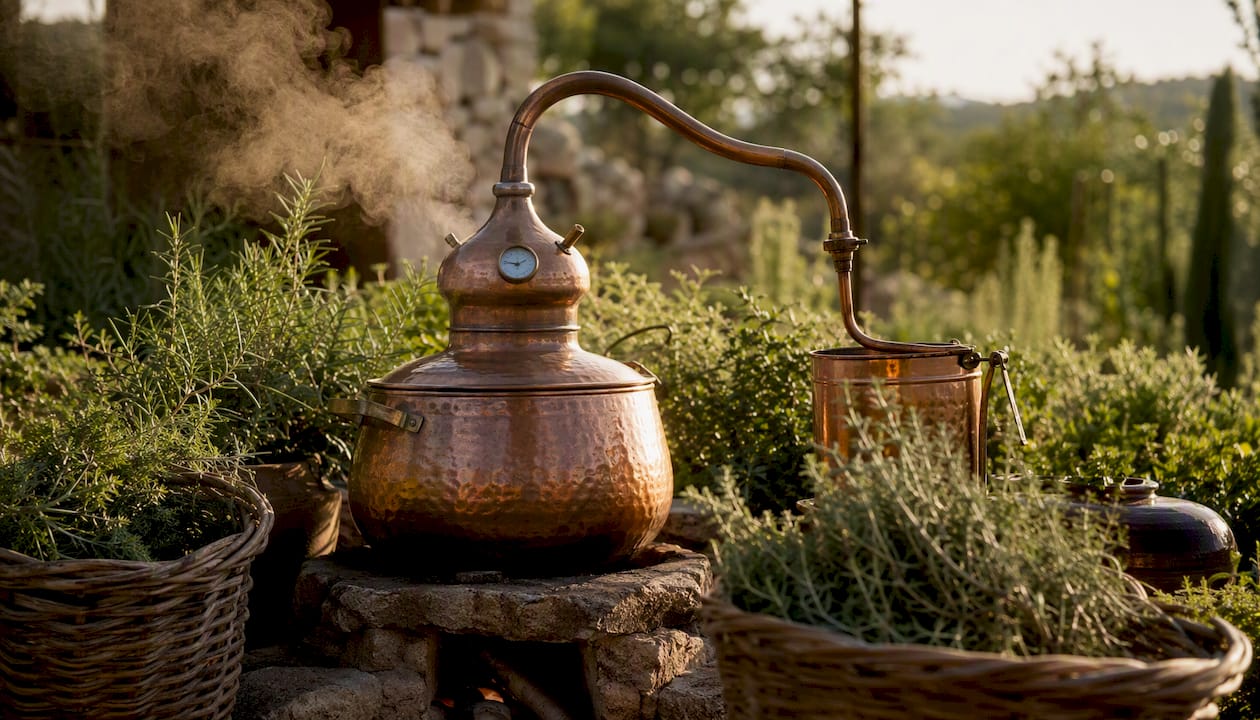
Steam distillation works for most leaves, flowers, and woody material. Steam passes through plant matter, vaporizing volatile compounds, which are then condensed and separated from water. It’s efficient and widely used, but heat-sensitive compounds can degrade slightly, softening some of the brighter top notes.
Cold-press (expression) is used almost exclusively for citrus peels. Mechanical pressure squeezes oil out of the rind without heat, which preserves delicate top notes but also carries over furanocoumarins, the compounds responsible for phototoxicity in expressed bergamot and lemon oil. Steam-distilled citrus, by contrast, typically has much lower phototoxic potential because that heavier compound doesn’t vaporize as readily.
CO₂ extraction uses pressurized carbon dioxide as a solvent, then releases the pressure so the CO₂ evaporates cleanly, leaving oil behind. It’s gentler than steam and often captures a fuller, more resin-true aroma, especially for frankincense and other resins, though the equipment cost makes it pricier per batch.
Solvent extraction and enfleurage, used for delicate flowers like jasmine that don’t survive steam well, use chemical solvents or fat to capture aroma, producing an “absolute” rather than a technically pure essential oil.
A lemon oil that was cold-pressed and a lemon oil that was steam-distilled can come from the same fruit, the same farm, the same week, and still carry different phototoxicity warnings on the label.
Steam distillation suits most leaves and flowers, with mild heat-related loss of top notes.
Cold-press expression suits citrus peels, preserving bright top notes but retaining phototoxic compounds.
CO₂ extraction suits resins and delicate flowers, capturing fuller aroma at a higher production cost.
Solvent extraction and enfleurage suit fragile flowers unsuitable for heat-based methods.
Adulteration and Blending: When Brands Alter Purity
There’s a real difference between blending for consistency and adulterating for profit, and conflating the two is where a lot of consumer confusion starts.
Legitimate producers blend compatible lots, combining oil from several harvests of the same chemotype and region, to smooth out natural batch variation so a returning customer isn’t shocked by a stronger or weaker scent. That’s normal, disclosed practice, and it’s how most mid-size brands maintain batch-to-batch consistency without pretending nature produces identical harvests every year.
Adulteration is different. It means stretching or replacing genuine oil with cheaper material while still selling it as pure. Common techniques include adding synthetic isolates (like synthetic linalool to boost a lavender’s floral note), fractionating an oil to isolate and sell only its most valuable components, diluting with a cheap carrier oil without disclosure, or using masking agents to hide a lower-quality base oil’s off notes.
Watch for these red flags:
An oil that smells identical, batch after batch, for a naturally variable botanical like rose or lavender.
A price dramatically below the market rate for a genuinely rare oil (real rose otto or melissa oil is never cheap).
A GC/MS report that never changes, harvest after harvest, which suggests either fabricated documentation or oil that isn’t actually a fresh batch.
Vague labeling that avoids naming a specific botanical species or chemotype.
Pro Tip: If a “rose oil” is priced anywhere close to lavender, it’s either not real rose otto, heavily diluted, or cut with synthetic isolates. Rarity has a price floor that marketing can’t erase.
What GC/MS Reports and COAs Actually Tell You
Gas chromatography mass spectrometry, or GC/MS, is a lab test that separates an oil into its individual chemical components and identifies each one, along with its approximate concentration. A Certificate of Analysis (COA) is the document a lab issues summarizing those results for a specific batch.
Together, they’re the closest thing this industry has to a nutrition label. A GC/MS report can confirm whether a lavender oil actually matches the linalool-to-camphor ratio expected of Lavandula angustifolia, or flag synthetic isolates and contamination that a nose alone can’t detect.
Transparent suppliers typically publish four things: the Latin botanical name and chemotype, the declared country or region of origin, a batch number tied to a harvest date, and enough detail about the testing lab that a customer could verify the claim independently. A brand that shares all four isn’t just being thorough. It’s giving you the tools to check its own claims.
A batch number without a matching COA is just a serial number. The two only mean something together.
Before buying from a new brand, run through this quick checklist:
Does the product page name the Latin species and, where relevant, the chemotype?
Is a batch-specific GC/MS or COA available on request or posted directly?
Does the listing state country or region of origin and harvest date?
Will the brand answer direct questions about sourcing without deflecting?
Why Essential Oil Prices Vary So Much Between Brands
Botanical yield explains most of the baseline price gap between oils, and it’s a bigger factor than most shoppers assume. A citrus tree can produce pounds of peel oil per pressing, while it takes an enormous quantity of rose petals or neroli blossoms to produce a single milliliter of finished oil. That yield gap alone can separate a $10 bottle from a $150 bottle before a brand adds a single dollar of markup.
Beyond yield and rarity, several other factors shift retail price:
Labor intensity: hand-harvested flowers (jasmine, rose) cost more to produce than machine-harvested herbs.
Certification costs: organic and fair trade certification add real compliance expense that gets passed to the customer.
Batch size: small-batch production costs more per unit than mass distillation runs.
Logistics: oils sourced from distant or politically complex regions carry higher shipping and import costs.
Distribution model: brands selling through multi-level marketing structures often price oils well above retail-equivalent competitors to cover distributor commissions, not because the oil inside is superior.
A certified aromatherapist’s brand-by-brand review found that testing transparency and realistic pricing were more reliable trust signals than brand prestige, and that expensive MLM pricing often reflects distribution costs rather than oil quality. Price can be a rough signal of quality, the same way researchers found with retail olive oil, where higher price often, but not always, correlated with better sensory and chemical markers. It’s a starting point, not proof.
How Storage and Age Change an Oil Over Time
An essential oil doesn’t stop changing the moment it’s bottled. Light, heat, oxygen exposure, and repeated opening all accelerate oxidation, which can dull top notes and, in some oils, increase skin sensitization risk over time.
Not every oil ages the same way. Citrus oils and most floral oils are best used within a year or two of distillation, since their brighter compounds degrade fastest. A few oils actually improve with age: patchouli, vetiver, and sandalwood can deepen and smooth out over months or even years, which is why some producers intentionally age compatible lots before release rather than rushing them to market.
Store oils in dark glass, away from heat and direct sunlight.
Keep bottles tightly capped between uses to limit oxygen exposure.
Use citrus and floral oils within one to two years for best quality.
Expect base notes like patchouli and vetiver to hold up, or even improve, over longer storage.
Pro Tip: Buy citrus oils in smaller bottles you’ll finish within months. A big discount on a large bottle of lemon oil isn’t a deal if half of it oxidizes before you use it.
What U.S. Regulations Say About Essential Oil Safety Claims
A handful of safety basics apply across almost every essential oil, regardless of brand. Citrus oils extracted by cold-press carry phototoxicity risk, meaning they can cause skin burns or discoloration when exposed to sunlight after topical application. Certain constituents, including some found in cinnamon bark and clove, are known skin sensitizers and need proper dilution before topical use. Ingesting essential oils without professional guidance carries real risk, since concentrated plant chemistry doesn’t behave in the body the way a diluted herbal tea does.
On the regulatory side, the reality is simpler than most marketing suggests: the FDA does not regulate essential oils as drugs, and “therapeutic grade” is not a standardized legal category in the United States. Any brand using that phrase is making a marketing claim, not citing a government standard.
“Therapeutic grade” sounds official. It isn’t. No U.S. regulatory body defines or enforces that term for essential oils.
Before using any new oil:
Patch test on a small area of skin before broader topical use.
Follow established dilution ratios rather than guessing.
Consult a qualified professional before considering any internal use.
Treat “therapeutic grade” labeling as marketing language, not a certification.
A Terroir-Focused Case Study: How Palinova Handles Natural Variation
Palinova’s approach to sourcing offers a useful, concrete example of how a brand can manage natural variation honestly instead of hiding it. The company sources Palestinian botanicals directly, emphasizing terroir-driven, ethically managed production rather than blending toward an artificially uniform scent.
Its product pages for signature botanicals like Origanum syriacum, the wild za’atar relative native to the region, document provenance details tied to the specific growing conditions of Palestinian agricultural land, rather than treating origin as an afterthought.
A brand willing to name the exact region, harvest window, and species behind a bottle is telling you it has nothing to hide in its sourcing.
Questions worth asking any brand, Palinova included:
Where exactly was this plant grown or harvested, and by whom?
Can I see a batch-specific GC/MS report or COA for this product?
What harvest date does this bottle correspond to?
Does the brand offer guidance on how to use the oil safely for my situation?
How to Evaluate an Essential Oil Brand Before You Buy
Green flags and red flags are easier to spot once you know what to look for. Reputable suppliers share specific, verifiable information rather than vague reassurance.
Green flags: batch-specific GC/MS available on request, Latin botanical name plus chemotype listed, declared region of origin and harvest date, price that varies realistically by rarity (rose costs more than lavender, always), a sample policy for new customers, and third-party organic or fair trade certification where relevant.
Red flags: identical flat pricing across an entire product line regardless of botanical rarity, refusal to share batch documentation, generic labeling like “lavender oil” with no species named, a scent that never varies harvest to harvest, and unqualified “therapeutic grade” or “medical grade” claims presented as regulatory fact.
A quick buying checklist you can run through on your phone:
Search the product page for the Latin name and chemotype.
Look for a batch number and harvest date.
Check whether a COA or GC/MS report is linked or available on request.
Compare the price to the botanical’s known rarity, not just to other brands.
Message the brand directly with one sourcing question and see how they answer.
Pro Tip: A brand that answers a sourcing question with specifics, region, harvest month, testing lab, is worth more trust than one that answers with adjectives like “pure” and “premium.”
Learning to Read Provenance Instead of Marketing Claims
Natural variation in essential oils isn’t a flaw to eliminate. It’s the honest signature of a plant that grew somewhere specific, under specific conditions, and was harvested at a specific moment. Chasing perfectly identical scent bottle to bottle usually means a brand is either blending aggressively or cutting corners with synthetics, and neither serves the customer looking for something genuinely botanical.
What I’d encourage any reader to do is stop treating price as a quality shortcut and start reading batch documentation instead. A $20 oil with a public GC/MS report and a named chemotype tells you more than a $60 oil wrapped in adjectives. Quality and transparency correlate far more reliably than quality and price alone.
Where Palinova Fits If You Want Provenance You Can Verify
Everything covered above points to the same conclusion: the brands worth trusting are the ones that treat natural variation as something to document, not disguise. Palinova built its sourcing model around exactly that idea, working directly with Palestinian growers and wildcrafters instead of anonymous bulk suppliers, and naming the specific land and harvest behind products like its Origanum syriacum za’atar oil and its Boswellia sacra frankincense.
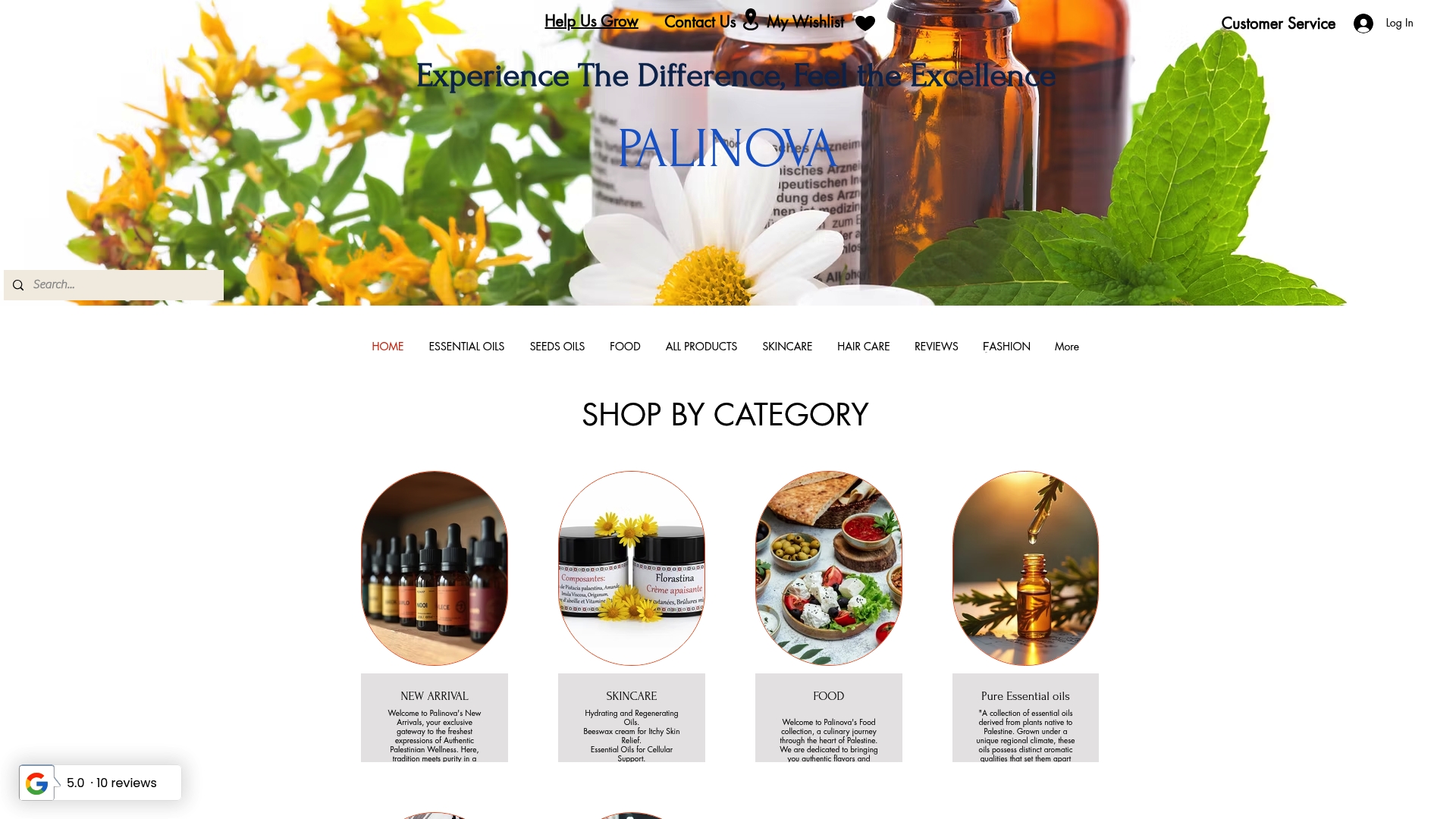
If you’ve read this far, you already know more about chemotypes and extraction methods than most product labels ever explain. Palinova’s product pages carry that same detail forward, region, harvest context, and sourcing notes, rather than generic “pure essential oil” copy. If you’re unsure which botanical or chemotype fits your skin or wellness goals, Palinova offers free personalized aromatherapy consultations to help you match the right oil to your actual needs before you buy. Browse the current harvest of wildcrafted cypress oil or request a consultation to get sourcing questions answered directly.
Sources
This article is general information, not a substitute for advice from a qualified doctor. Consult a qualified healthcare professional about your own circumstances before acting on anything here.
FAQ
What is the most trusted brand of essential oils?
No single brand holds a universal “most trusted” title, since the FDA doesn’t regulate therapeutic-grade claims. Trust comes down to whether a brand publishes batch-specific GC/MS reports, names botanical species and chemotype, and discloses harvest origin.
Which essential oil brands should I stay away from?
Avoid brands that refuse to share batch testing, use vague labeling without a Latin species name, or price rare oils like rose and melissa suspiciously close to common oils like lavender. Those patterns are classic signs of adulteration or unverified sourcing.
How can I tell if essential oils are high quality?
Check for a Latin botanical name and chemotype, a declared country or region of origin, a batch number tied to a harvest date, and access to a GC/MS report or COA. Realistic pricing relative to a botanical’s known rarity is another strong signal.
Which brand of essential oils is the purest?
Purity depends on batch-specific testing rather than brand reputation alone. Brands like Palinova that publish sourcing details, region, harvest context, and species information for products such as Origanum syriacum give you a way to verify purity claims yourself instead of taking them on faith.
Recommended

Comments