
Predictable Plant Aroma in Two Seasons for Growers

Climate and soil change both how strongly a plant smells and which scent molecules it actually makes. A multi-year tea metabolome study found some compounds shifting by more than 1,000 percent across seasons and elevations, and soil chemistry alone can double the essential-oil content of an aromatic herb grown a few miles away. The effect is real, large, and mostly predictable once you know which levers matter.
TL;DR:
Temperature fluctuations during flowering and leaf maturation significantly impact aroma intensity and composition, with even a one-degree increase causing notable changes.
Soil pH, micronutrients, and texture directly influence essential-oil yield and chemotype, with deficiencies in manganese and magnesium limiting aroma biosynthesis.
Soil microbial diversity plays a crucial role in aroma development, as microbes activate or mask scent compounds through enzymatic processes during fermentation or processing.
Multi-year, multi-site sampling is essential to distinguish genuine climate and soil effects from weather variability, ensuring accurate assessment of aroma drivers.
Harvest timing, drying techniques, and immediate post-harvest handling are critical for preserving desirable scent compounds and achieving consistent essential oil quality.
Table of Contents
How Temperature, Humidity, and Elevation Change a Plant’s Scent
Heat speeds up two separate things at once, and that’s where most of the confusion starts. Warmer air makes volatile compounds evaporate off leaf and flower surfaces faster, simply because heat increases molecular movement. Separately, warmer temperatures also speed up the enzyme reactions that build those compounds in the first place, at least up to a point specific to each species. Push past that point and heat stress kicks in, emissions drop, and the ratio between compounds can shift enough to throw off pollinators that rely on a consistent scent signature.
The scale of these shifts is bigger than most growers expect. In warming experiments on floral terpenes, a single degree Celsius of warming changed emission rates by anywhere from 0.03 to 1.4 times depending on the species, and some Mediterranean plants saw emissions jump considerably under a 5°C increase.
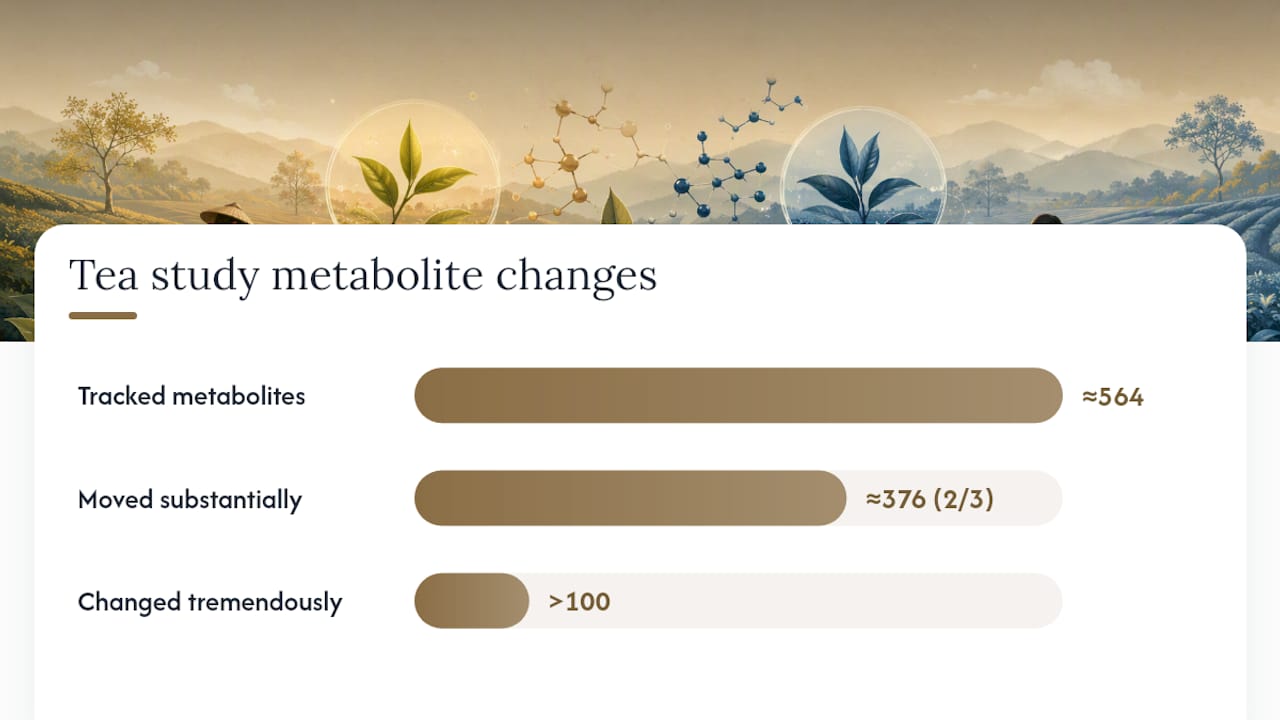
Statistic callout: In one multi-year tea study, researchers tracked around 564 metabolites and found that over 100 of them changed tremendously between different seasons and elevations. Two out of three metabolites moved substantially.
Cooler spring harvests and high-elevation plots tend to produce sweeter, floral, honey-like notes. Hot, humid, low-elevation seasons push the same plant toward grassy, hay-like, earthier profiles. A global survey of floral scent across 305 species backs this up at scale: monoterpenes showed up more in drier climates, while sesquiterpenes tracked closely with mean annual temperature.
Three climate variables worth tracking on any aromatic crop:
Daily temperature swing during flowering or leaf maturation, not just the seasonal average.
Relative humidity in the weeks before harvest, since it interacts with heat stress.
Elevation or microclimate differences across a single property, which can matter as much as the regional forecast.
Which Soil Properties Shape Essential-Oil Content and Chemotype
Soil texture decides how much water and oxygen roots get, and root stress changes what a plant invests in producing. Sandy soils drain fast and can push roots toward mild drought stress, which in some aromatic species raises oil concentration by concentrating metabolic effort into fewer, more potent compounds. Heavy clay does the opposite in many crops, diluting oil yield even when the plant looks perfectly healthy above ground.
Nutrient chemistry matters just as much as texture. Manganese and magnesium act as cofactors for terpene synthase enzymes, meaning a soil short on those micronutrients can bottleneck aroma production no matter how much nitrogen you add. A study on Zataria multiflora, a Mediterranean thyme relative, found essential-oil content ranging from 2.75 percent to 5.89 percent across different growing sites, with soil pH and texture correlating directly with whether the finished oil leaned toward carvacrol, thymol, or linalool as the dominant compound.
Before amending anything, run these basic checks:
A pH test, since most aromatic herbs have a narrow pH window where enzyme activity peaks.
An electrical conductivity (EC) reading to catch salinity problems early.
A standard nutrient panel from a soil lab, checking specifically for manganese, magnesium, calcium, iron, and potassium levels.
Pro Tip: If your oil yield is disappointing but nitrogen levels look fine, check micronutrients before reaching for more fertilizer. A manganese or magnesium deficiency will cap enzyme activity no matter how much nitrogen the plant has access to.
Do Soil Microbes Really Shape a Plant’s “Terroir”?
Yes, and the effect runs deeper than most growers assume. Reporting from ScienceNews on crop terroir describes how microbial diversity in soil and in fermenting must has been linked to more than 80 percent of certain metabolite differences in finished wine, a signal strong enough to rival climate and soil chemistry combined.
Part of the explanation lies in aroma glycosides, which are scentless, sugar-bound storage forms of volatile compounds. They only release their scent when an enzyme, heat, or a shift in pH breaks that sugar bond, which is exactly why processing conditions can unlock aromas that never showed up in the living plant.
Practical takeaways for anyone managing soil biology:
Healthy, diverse compost feeds a more active microbial community than synthetic fertilizer alone.
Minimal tillage protects fungal networks that take years to establish.
Controlled fermentation trials can reveal whether microbial activity is unlocking or masking aroma compounds during processing.
Genetics vs. Environment: Which Wins?
Genetics usually sets the baseline, but environment decides how far a plant strays from it, and for some compounds it can matter more than the genes themselves. In hops, certain aroma glycosides are dominated almost entirely by growing site rather than variety, a classic terroir signature. In Arabis alpina, nutrient-rich growing conditions boosted per-flower scent emission by 1.2 to 4 times compared to low-nutrient plots, yet the actual composition of the scent barely changed.
That distinction matters for anyone choosing a cultivar and a plot at the same time:
Pick genetics for the compound profile you want, since that’s what genetics controls most reliably.
Pick site and soil management for intensity and yield, which respond more to environment.
Run a small trial plot for one or two seasons before committing a full field to a new variety or location.
Turning the Science Into a Grower’s Checklist
None of this matters unless it changes what happens at planting, harvest, and drying. Start with the soil work: a pH and nutrient test, targeted micronutrient correction rather than blanket fertilizing, a shade or irrigation adjustment if humidity swings are extreme, and a small test plot before scaling any change.
Harvest timing deserves its own attention. Picking at the right phenological stage, and even the right hour of the day, preserves the volatile compounds and aroma glycosides that heat or midday sun would otherwise degrade. Palinova’s guide on how harvest season and hour shape oil chemistry walks through this in more detail for growers planning around it.
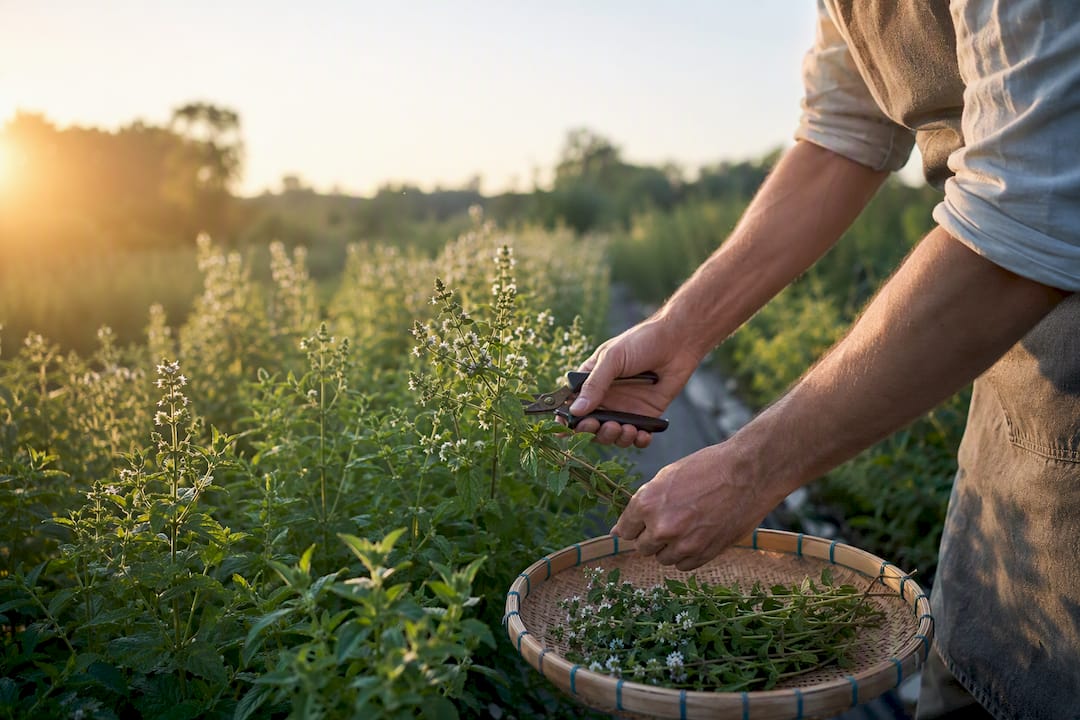
Post-harvest handling closes the loop. Slow, gentle drying and a short window between harvest and distillation both help preserve compounds that degrade fast once cut. A basic sensory panel, even an informal one, catches problems before a batch ships.
A simple two-season trial to run this on your own land:
Test soil pH, EC, and micronutrients on two comparable plots.
Correct only the limiting nutrient on one plot; leave the other as control.
Harvest both at the same phenological stage and hour of day.
Dry and process both batches identically.
Compare yield and run a basic sensory or GC snapshot if a lab is affordable.
Repeat the following season before drawing conclusions.
Pro Tip: A single season of data tells you almost nothing about soil or climate effects. Weather noise between years is often bigger than the treatment effect itself, so plan for at least two seasons before changing your whole operation.
How Scientists Actually Measure Aroma Chemistry
Most of the numbers in this piece come from gas chromatography-mass spectrometry (GC-MS), which separates a plant’s volatile compounds and identifies each one. Researchers collect samples through headspace sampling, stir-bar extraction, or solvent extraction, and the results usually report relative abundance between samples rather than a precise absolute concentration.
Multi-year, multi-site sampling matters because a single season can’t distinguish a real soil or climate effect from ordinary weather variation. That’s the whole reason the tea metabolome studies spanned several years and elevations instead of one harvest.
A contract lab makes sense when you need defensible numbers for a chemotype claim or product label.
Simple sensory panels and dated photographs work fine for tracking your own trial plots season to season.
Either method beats guessing, but only consistent, repeated sampling separates a trend from noise.
What the Data Still Doesn’t Tell Us
The strongest studies here span years and sites for a reason: single-season snapshots get drowned out by ordinary weather variation. Growers and labs rarely share the metadata that would make cross-comparisons possible, things as basic as harvest hour, phenological stage, and a soil test taken the same week as sampling. Recording that data alongside every batch, and pairing growers with analytical labs willing to run multi-year trials, would do more for this field than another single-season study. Buyers deserve product metadata that actually links an aroma outcome back to where and how a plant was grown.
— abdelmuhsen
Sample Ethically Sourced Oils Shaped by Real Terroir
Every oil Palinova sells traces back to Palestinian soil, climate, and harvest timing exactly like the mechanisms described above, since the plants come from small growers working land that’s been cultivated for generations. That heritage shows up in the finished chemistry: a Za’atar or Achillea Fragrantissima oil carries the chemotype signature of its specific hillside, not a standardized industrial blend.

Free aromatherapy consultations are available for readers who want help matching a specific oil’s chemotype to a skincare or formulation goal, and the educational posts on the site go deeper into topics like batch-to-batch variation in essential oils and Mediterranean aromatic plant placement. If you’re formulating your own products and need to understand fragrance labeling conventions, the guide on fragrance free versus unscented labeling is a useful companion read. Browse a full essential oils collection to sample a few chemotypes directly and see how soil and season show up in the bottle.
Sources
FAQ
How do climate and soil influence a plant’s aroma?
Climate changes how fast aroma compounds evaporate and how quickly a plant’s enzymes build them, while soil supplies the nutrients and micronutrient cofactors those enzymes need. Together they can shift both the intensity and the exact chemical makeup of a plant’s scent.
How does climate change impact plants and their fragrance?
Rising temperatures generally increase volatile emissions up to a species-specific limit, after which heat stress lowers emissions and can distort the ratio between compounds. Studies on floral terpenes show this effect ranging from a 0.03 to 1.4 times change per degree Celsius, varying widely by species.
What is the relationship between climate, soil, and vegetation aroma?
Climate sets the temperature and moisture conditions that drive volatility and biosynthesis rates, while soil chemistry supplies the nutrients that fuel those same biosynthetic pathways. Neither factor works in isolation. Soil microbes and harvest timing also shape which stored compounds actually become detectable scent in the finished product.
How does soil affect plant growth and aroma production?
Soil texture controls drainage and root stress, which influences how much energy a plant diverts toward aromatic compounds versus vegetative growth. Micronutrients like manganese and magnesium act as direct cofactors for the enzymes that build terpenes, so a deficiency can limit aroma production even in an otherwise thriving plant.
Recommended


Comments