
Non-Comedogenic Facial Oils: Top Picks for Sensitive Skin
- Palinova

- 6 days ago
- 8 min read
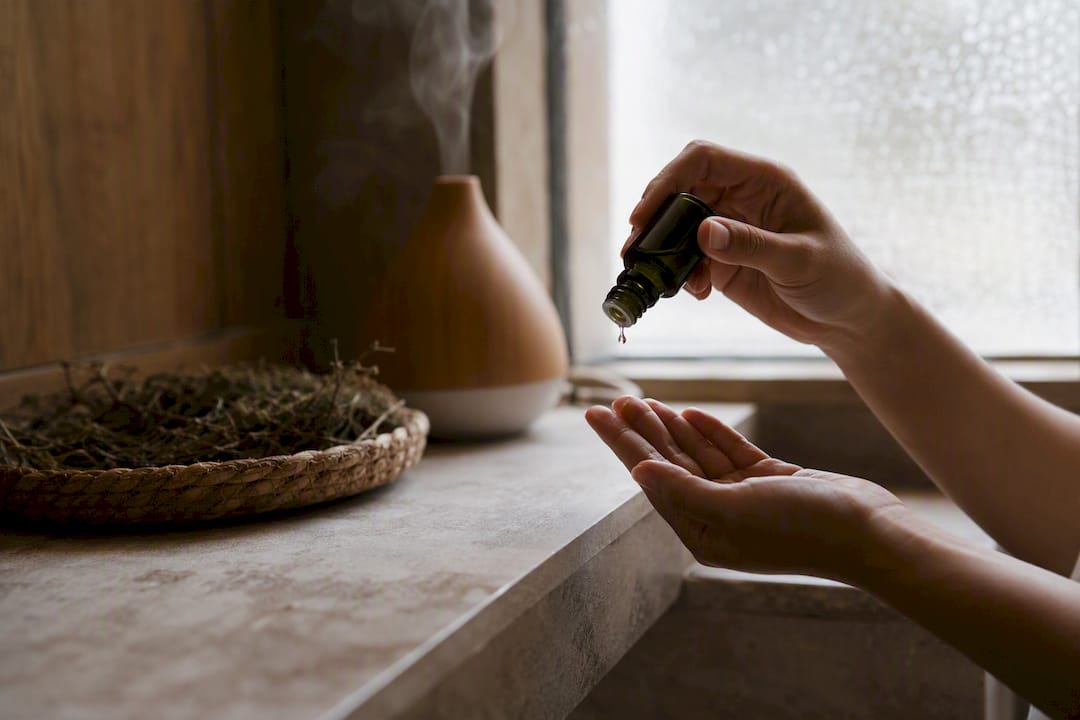
Squalane is the safest starting point for almost anyone worried about facial oils clogging their pores, and rosehip, hemp seed, grapeseed, and jojoba round out the strongest shortlist for acne-prone and sensitive skin. All five sit at or near 0 on the comedogenic scale, which runs from 0 (won’t clog pores) to 5 (highly likely to).
Squalane — lightweight, stable, and tolerated by nearly every skin type.
Rosehip oil — linoleic-rich, good for acne scarring and post-breakout marks.
Hemp seed oil — thin texture, anti-inflammatory, favors oily and dehydrated skin.
Grapeseed oil — light and antioxidant-heavy, best for combination skin.
Jojoba oil — mimics sebum, helps regulate oil production without heaviness.
That 0-1 range on the comedogenic scale is the practical cutoff dermatology-adjacent sources point to when flagging safe oils for breakout-prone faces. The sections below explain why these oils behave differently on skin, how to patch test one before committing your whole routine to it, and where a formulated option like Barbary Fig seed oil fits into that lineup.
Key Takeaways
The most reliable approach to choosing a facial oil is matching its fatty-acid profile, linoleic for acne-prone skin and oleic for dry or mature skin, to your specific goal, then confirming fit with a patch test.
Point | Details |
Start with squalane | It’s the lightest, most broadly tolerated non-comedogenic oil for testing your skin’s reaction. |
Match fatty acids to your goal | Choose linoleic-rich oils like rosehip or hemp seed for acne, oleic-rich oils for dryness. |
Respect the comedogenic scale’s limits | A 0-1 rating is a helpful guide, not a guarantee; patch test for 5 to 7 days first. |
Avoid coconut oil on the face | Its rating of around 4 makes it one of the most commonly flagged oils for acne-prone skin. |
Consider Barbary Fig seed oil | Palinova’s linoleic-rich, antioxidant option suits barrier repair and anti-aging goals. |
Table of Contents
Which Non-Comedogenic Facial Oils Actually Work?
Editorial roundups keep landing on the same names for a reason. Byrdie’s rundown of non-comedogenic oils and similar comedogenic-rating charts repeatedly list squalane, rosehip, hemp seed, grapeseed, jojoba, and tea tree among the top acne-safe choices, and Barbary Fig (Prickly Pear) seed oil follows the same linoleic-forward profile that makes those oils work.
[
A few practical notes belong next to that table, not inside it. Grapeseed oil oxidizes faster than the others here, so it needs a dark bottle and a cool cabinet, not a sunny windowsill shelf. Rosehip oil has a faint earthy scent some people find unpleasant, and its natural color can stain light-colored pillowcases if you apply it heavily. Squalane is essentially unscented and shelf-stable for years, which is part of why it works so well as a first oil to test.
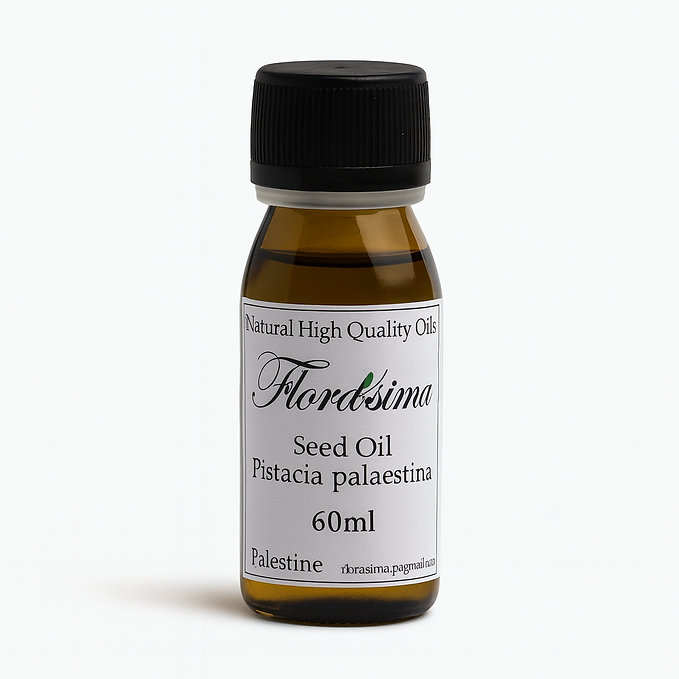
Most of these are sold as single-ingredient seed oils rather than blended face oils, which matters if you’re trying to isolate what your skin reacts to. Barbary Fig seed oil follows that same single-ingredient format. It’s cold-pressed from prickly pear seeds, carries a naturally high linoleic acid content, and is positioned by Palinova as an anti-aging and barrier-support option rather than a spot treatment, which places it closer to rosehip and hemp seed on the table than to a thick oleic oil like avocado.
What Does “Non-Comedogenic” Actually Mean?
The comedogenic scale rates how likely an ingredient is to clog pores, scored from 0 to 5. A 0 or 1 is considered generally non-comedogenic, 2 is slightly comedogenic, 3 is moderate, and 4 to 5 are high-risk for breakout-prone skin. Coconut oil, for comparison, typically rates around a 4.

The scale is a useful starting filter, not a guarantee. It was built from lab testing on rabbit ears decades ago, and real human skin varies enormously in sebum chemistry, pore size, and product formulation. An oil rated 0 can still break someone out if it’s blended with fragrance, sits under a heavy sunscreen, or simply doesn’t suit that person’s skin biology.
This is where fatty-acid profile does more predictive work than the rating alone. Oils high in linoleic acid, like rosehip, hemp seed, and grapeseed, tend to suit acne-prone skin because people with acne often run lower on linoleic acid in their own sebum, and topical linoleic can help rebalance that. Oils higher in oleic acid, like olive or avocado, are thicker and richer, better suited to dry or mature skin that needs more cushioning.
Pro Tip: Patch test any new oil on your inner forearm or jawline for 5 to 7 days before applying it across your whole face. Watch specifically for new bumps, not just redness, since comedones can take days to surface.
How Do You Choose and Use a Facial Oil Safely?
Start with your actual skin goal, not the prettiest bottle on the shelf. Are you trying to calm active breakouts, rebuild a damaged moisture barrier, or soften fine lines? That answer should drive which fatty-acid profile you reach for, more than any marketing claim.
Before buying, run through this checklist:
Identify your primary goal. Acne control points to linoleic-rich oils; dryness or aging points toward richer, more oleic options.
Check for fragrance. Added scent is one of the most common irritants in facial oils, even in otherwise gentle formulas.
Consider stability. Grapeseed and hemp seed oxidize faster than squalane or jojoba, so factor in how quickly you’ll use the bottle.
Flag any topical medications. Retinoids, benzoyl peroxide, and prescription acne treatments can interact with oils; ask a pharmacist or dermatologist if you’re layering both.
Once you’ve picked an oil, introduce it slowly:
Patch test for at least five days on your jawline or forearm.
Start with 2 to 3 drops, applied to slightly damp skin so it locks in more moisture.
Apply oil as the last step in your routine, after serums and moisturizer, before sunscreen in the morning.
Use nightly for dry or mature skin; 2 to 3 times a week is plenty for oily or acne-prone skin at first.
Some people also use lighter oils like grapeseed or jojoba for oil cleansing, massaging the oil into dry skin to dissolve makeup and sunscreen before rinsing or double-cleansing. Stop immediately if you notice new closed comedones, persistent redness, or itching that doesn’t fade within a day. That’s your skin telling you the oil, or something in it, isn’t a match.
Which Oils Should You Avoid on Your Face?
Not every “natural” oil belongs on your face, and a few show up constantly in breakout complaints.
Coconut oil rates around a 4 on the comedogenic scale, making it one of the most commonly flagged oils for facial use on acne-prone skin, even though it works fine on hair or body skin.
Cocoa butter and wheat germ oil also tend to rank high and are better reserved for body use.
Heavily fragranced “face oil” blends can irritate even when every individual ingredient looks fine on paper.
Two myths cause most of the damage here. The first: “oils always cause breakouts,” which ignores that linoleic-rich oils can actually help balance sebum rather than worsen it. The second: “natural means safe,” which ignores that plant oils are still active substances capable of triggering allergic reactions or oxidizing into irritants once opened.
Rancid oil smells noticeably different from fresh oil, often sharper or slightly sour, and using it can introduce free radicals that irritate skin rather than protect it. Store facial oils in a cool, dark place and replace them if the scent changes.
Safety Considerations and Potential Allergies
Facial oils are generally gentle, but they’re not risk-free. Botanical oils can trigger allergic contact dermatitis in people sensitive to specific plant families, so a reaction to one nut or seed oil (say, sweet almond oil) doesn’t rule out others, but it’s a reasonable flag to slow down and test carefully.
Fragrance is the most common irritant hiding in facial oils, whether it’s a synthetic additive or a strong natural scent in something like neem or tea tree. Tea tree oil in particular should never be applied undiluted; it’s an essential oil with real antimicrobial power, but used at full strength it can burn or sensitize skin. The same caution applies to neem, which has a pungent, medicinal smell and works best as a small-area spot treatment rather than an all-over facial oil.

Oxidized oil is a separate, quieter risk. Oils exposed to heat, light, or air for too long can develop rancidity that irritates skin instead of nourishing it, which is why grapeseed and hemp seed oil in particular need dark bottles and cool storage. If you develop redness, swelling, or itching after applying any oil, stop use immediately, rinse with lukewarm water, and avoid reintroducing it until you’ve confirmed the trigger with a patch test elsewhere on your body. Persistent reactions, spreading rash, or facial swelling warrant a call to a dermatologist rather than more home experimentation.
When Should You Try an Oil vs. See a Dermatologist?
Trial and error works fine for mild dryness or dullness, where a linoleic-rich oil like rosehip or a barrier-support option like Barbary Fig seed oil can genuinely help. Active cystic acne or inflamed, painful lesions are a different story. That’s when a dermatologist should guide treatment before you layer oils on top of already-irritated skin. Palinova favors seed oils precisely because they support, not replace, medical care.
A Gentle Seed Oil Option Worth Knowing
If your shortlist points you toward linoleic-rich, lightweight oils for anti-aging or barrier support, Palinova’s Barbary Fig (Prickly Pear) Seed Oil fits that exact profile: cold-pressed, single-ingredient, and rich in antioxidants alongside its linoleic acid content.
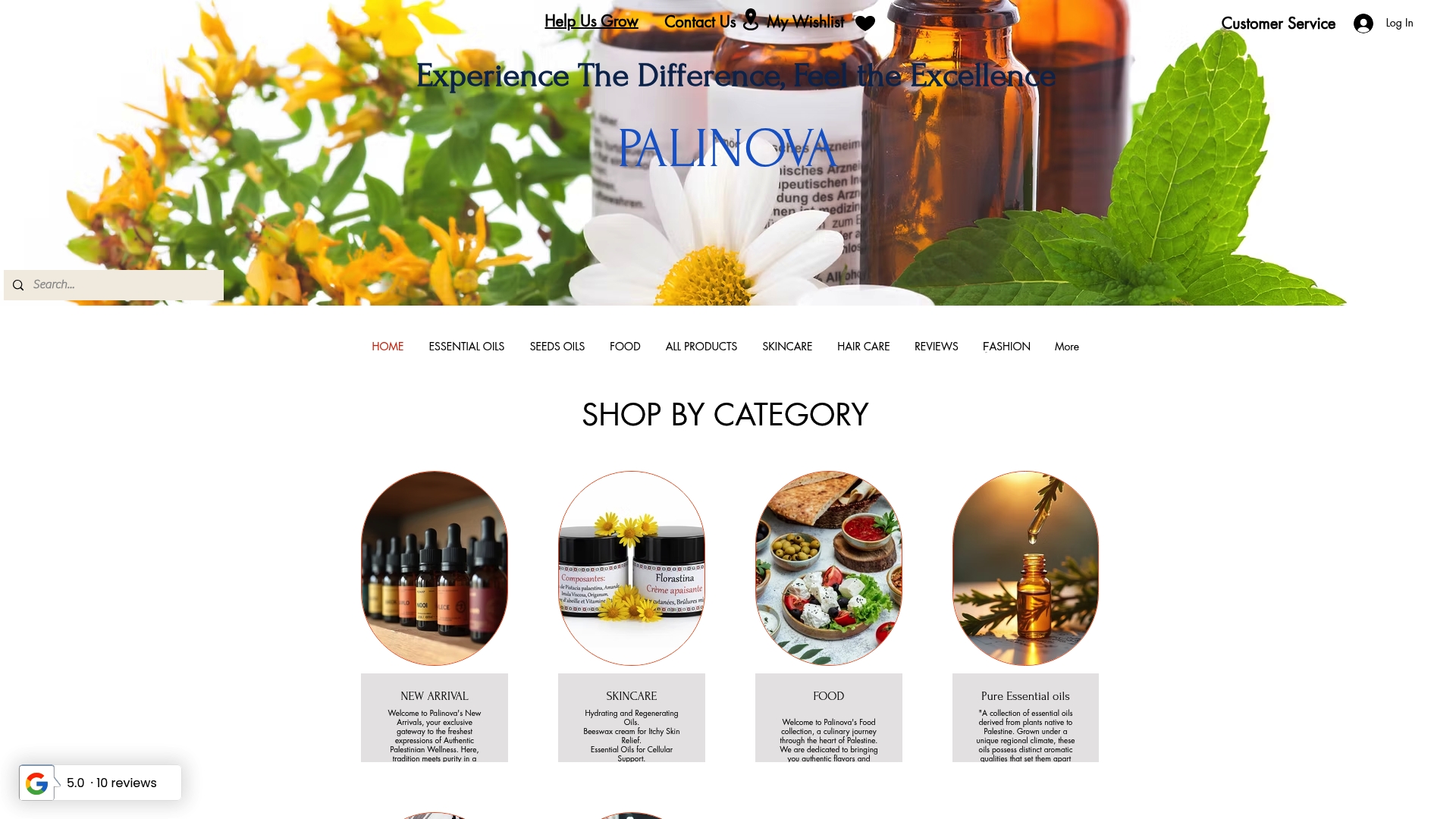
It’s not a medical treatment and won’t replace a dermatologist’s plan for active acne, but for the dry patches, fine lines, and barrier-repair goals this article covers, it sits comfortably alongside rosehip and hemp seed as a lightweight, well-tolerated pick. Palinova also carries gentler options worth exploring if Barbary Fig isn’t quite your match, including sumac seed oil and a full skincare line built around Palestinian botanicals free of synthetic additives. Visit the Barbary Fig product page to check current pricing and start a patch test this week.
Sources
This article is general information, not a substitute for advice from a qualified doctor. Consult a qualified healthcare professional about your own circumstances before acting on anything here.
FAQ
Which Facial Oils Are Non-Comedogenic?
Squalane, rosehip, hemp seed, grapeseed, jojoba, and Barbary Fig seed oil all rate 0 to 1 on the comedogenic scale, meaning they’re unlikely to clog pores for most people.
What’s the Best Non-Comedogenic Oil Overall?
Squalane is usually the safest first pick because it’s lightweight, shelf-stable, and tolerated across nearly every skin type, while rosehip and hemp seed edge it out for acne scarring and active breakouts thanks to their high linoleic content.
Which Oils Don’t Clog Pores?
Oils rated 0 or 1 on the comedogenic scale, including squalane, rosehip, hemp seed, grapeseed, jojoba, and sunflower seed oil, are the ones least likely to clog pores.
What Oils Don’t Cause Breakouts?
Linoleic-acid-rich oils like rosehip, hemp seed, and grapeseed tend to avoid breakouts because they can help rebalance sebum in acne-prone skin, unlike oleic-heavy oils such as coconut, which rates around a 4 on the comedogenic scale.
Recommended

Comments