
Pistacia Palaestina Seed Oil for Deep Skin Moisture
- Palinova

- Aug 12
- 9 min read
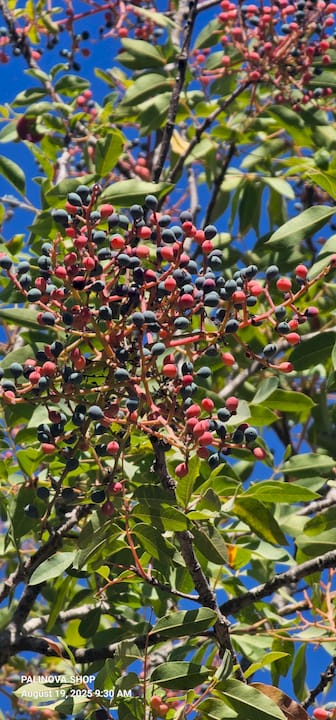
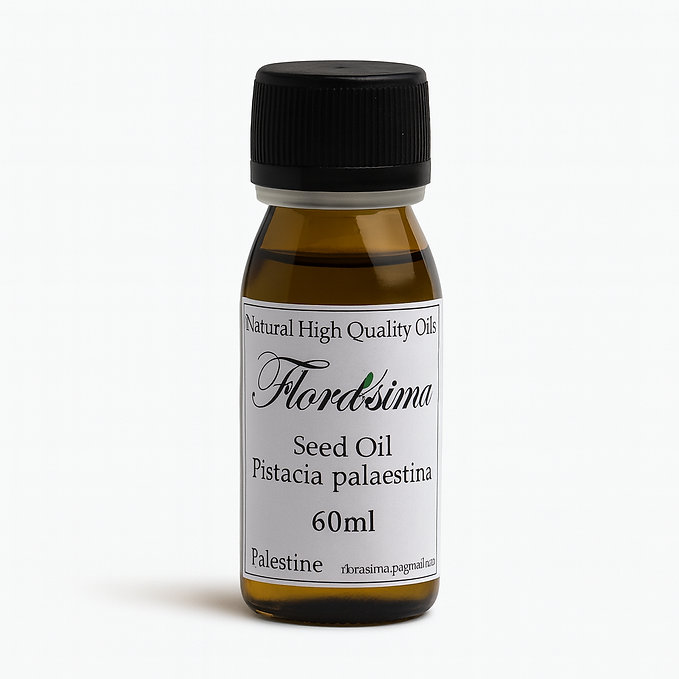
Cold-pressed Pistacia palaestina seed oil is an effective emollient that locks in deep moisture when applied correctly. Its oleic-rich triglyceride profile softens the stratum corneum, while measurable tocopherol levels protect the barrier from oxidative stress, reducing transepidermal water loss (TEWL) rather than adding surface hydration. The single US-available product worth recommending is Palinova’s cold-pressed Pistacia palaestina seed oil.
[
Who benefits most: very dry, mature, or barrier-compromised skin. It is not the right first choice for oily or acne-prone skin.
Quick start:
Patch test first: one drop on the inner forearm, 24–48 hours, check for redness or itching
Apply at night on slightly damp skin as the last step in your routine
Store in a cool, dark place; refrigerate after opening to preserve tocopherols
Key Takeaways
Pistacia palaestina seed oil delivers deep moisture through its oleic-rich emollient profile and measurable tocopherol content, making it best suited for dry, mature, or barrier-compromised skin when applied nightly on damp skin.
Point | Details |
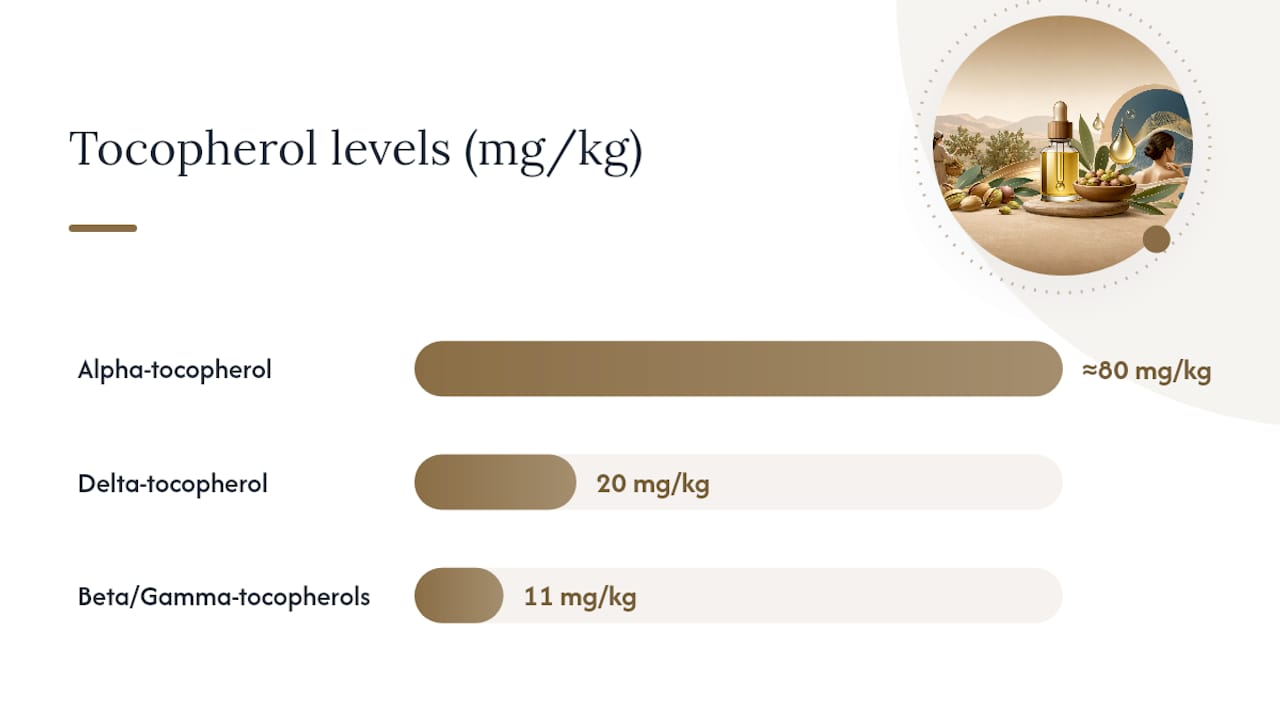
Proven antioxidant actives | Alpha-tocopherol ≈ 80 mg/kg; delta ≈ 20 mg/kg; beta/gamma ≈ 11 mg/kg — all measured in the seed oil. |
Best application method | Apply 2–3 drops on slightly damp skin as the final evening step, using a press technique rather than rubbing. |
Safety first | Patch test for 24–48 hours; tree-nut allergy risk requires physician clearance before use. |
Store correctly | Keep in amber glass, cool and dark; refrigerate after opening to preserve tocopherols and extend shelf life. |
Palinova product | Cold-pressed, single-ingredient, 60 ml, COA available on request, ships to the US from Palinova’s online store. |
Table of Contents
How Pistacia palaestina seed oil locks in deep moisture
The oil works through three overlapping mechanisms. First, its phenolic compounds and tocopherols provide antioxidant support that helps stabilize the skin barrier against environmental oxidative damage. Second, oleic-rich triglycerides act as emollients, softening the stratum corneum so it holds water more effectively. Third, the oil forms a light film on the skin surface that slows water evaporation, the same TEWL-reduction mechanism that makes facial oils effective for dry skin rather than water-based hydrators.
Tocopherol content: the antioxidant backbone
Measured tocopherol levels in Pistacia palaestina seed oil: alpha-tocopherol ≈ 80 mg/kg, delta-tocopherol ≈ 20 mg/kg, beta/gamma-tocopherols ≈ 11 mg/kg. Alpha-tocopherol is the form most bioavailable to skin tissue and the primary contributor to barrier-stabilizing antioxidant activity.
Beyond tocopherols, the oil contains phenols, tannins, flavonoids, saponins, phytosterols, terpenoids, and resins. Each of these secondary metabolites contributes to the biological plausibility of anti-inflammatory and barrier-repair effects. The essential-oil fraction, dominated by monoterpene hydrocarbons like sabinene, α-pinene, and myrcene, varies significantly by plant part and extraction method, which is one reason extraction quality matters so much when buying.
The oil yield from Pistacia palaestina fruit is notably high, with physicochemical properties characteristic of typical vegetable oils used in cosmetic formulation.
How to use Pistacia palaestina oil for maximum deep moisturization
The single most effective routine: apply 2–3 drops to a face that is still slightly damp after cleansing or toning, press gently into skin, and use it as the final step in your evening routine. Damp skin gives the oil a water layer to seal in rather than sitting on a dry surface.
Face routine (AM and PM)
Cleanse and tone as usual.
Apply any water-based serum or hyaluronic acid product while skin is still damp.
Warm 3–5 drops of oil between your palms for 5–10 seconds.
Press palms gently on to face and neck; avoid rubbing, which disperses the oil unevenly.
For daytime, follow with SPF. For nighttime, the oil is the final step.
Pro Tip: Pressing rather than rubbing the oil into skin reduces surface greasiness and improves absorption speed. The warmth from your palms also thins the oil slightly, helping it spread more evenly across the stratum corneum.
Body routine (post-shower)
Step out of the shower and pat skin until just barely dry, leaving it slightly damp.
Apply 5–10 drops to neck and chest; use roughly 1 teaspoon for arms.
Massage in circular motions toward the heart.
Allow 2–3 minutes before dressing.
Targeted use for cracked heels and elbows
Apply a generous amount (5–8 drops per foot) directly to cracked areas, then cover with cotton socks or a light wrap overnight. Repeat nightly until the skin softens, then reduce to 2–3 times per week for maintenance.
Frequency guidance: nightly for very dry or mature skin; 2–3 times per week for normal or sensitive skin. Avoid applying immediately before or after a fresh chemical peel or high-dose retinoid application. The oil can be blended into a water-based moisturizer or layered over a glycerin-based serum, but keep it separated from strong actives by at least 20–30 minutes.
Is Pistacia palaestina seed oil safe? Allergy risks and storage
For most people, topical use is well-tolerated. The important caveat: Pistacia palaestina belongs to the Anacardiaceae family, which includes tree nuts. Anyone with a known tree-nut allergy should treat this oil with the same caution they apply to any nut-derived product and consult a physician before use.
Patch test steps:
Choose a small, clean area on the inner forearm or behind the ear
Apply one drop and let it absorb without rinsing
Wait 24–48 hours without washing the area
If you see redness, swelling, or feel itching, discontinue use
Contraindications and interactions to note:
Avoid applying to open wounds or actively broken skin unless directed by a clinician
Do not layer directly over a fresh chemical peel or immediately after a high-percentage retinoid without dermatologic guidance
Phytochemically rich oils can occasionally sensitize skin when combined with strong exfoliants; introduce gradually
Storage and shelf life: heat and light degrade tocopherols and reduce the oil’s topical efficacy. Store in an amber glass bottle in a cool, dark location. Refrigeration after opening extends potency. A properly stored, opened bottle typically remains effective for 18–24 months; discard earlier if the smell turns rancid or the color shifts noticeably.
For pregnant individuals, nursing mothers, and children, consult a clinician before topical use, as safety data for these populations is limited.
How to pick a high-quality Pistacia palaestina seed oil
Not every product labeled “Pistacia palaestina oil” delivers the same tocopherol levels or purity. A buying checklist cuts through the noise:
Cold-pressed or expeller-pressed only. Cold-pressing preserves tocopherols and phenolics better than solvent extraction, which matters directly for barrier-support efficacy.
Single-ingredient formula. The ingredient list should read “Pistacia palaestina seed oil” and nothing else for a pure product.
Certificate of Analysis (COA) available. A COA confirms tocopherol content and peroxide values, the two fastest checks of freshness and processing quality.
Batch or harvest information. Wildcrafted oils vary by season and region; a reputable supplier tracks this.
Amber glass packaging. Clear plastic or glass accelerates light-induced degradation.
Sustainability signals worth asking about: wildcrafted vs. cultivated sourcing, harvest region, and whether the producer has an ethical sourcing statement. Palestinian botanical oils like this one carry a specific agricultural heritage; producers who can trace the origin add a layer of traceability that matters for both quality and ethics.
Palinova’s cold-pressed Pistacia palaestina seed oil checks each of these boxes: single-ingredient, cold-pressed, COA available on request, and shipped to the US. For price expectations, pure cold-pressed Pistacia palaestina seed oil in the US market typically runs in the range of specialty botanical seed oils; a 60 ml bottle from a traceable source represents strong value compared to diluted blends sold at similar price points.
What does the research actually support?
Direct human clinical trials for topical cosmetic claims are limited.
Study-by-study findings
Tocopherol quantification (University of Jordan): Measured alpha-tocopherol at approximately 80 mg/kg, delta at 20 mg/kg, and beta/gamma at 11 mg/kg in the seed oil. These are real, measurable antioxidant compounds, not theoretical.
Phytochemical screening and wound healing (BFSA 2023): Methanolic extracts of Pistacia palaestina showed high antioxidant activity and significantly accelerated wound healing in rat models. Fruit-extract ointments achieved final healing significantly faster than the negative control, with wound closure around one third the time of untreated wounds. The same study confirmed the presence of phenols, tannins, flavonoids, saponins, phytosterols, terpenoids, and resins.
Phenolic and flavonoid content: Separation studies report total phenolic content around 66.5 mg GAE/g in some extracts, with strong DPPH, FRAP, and CUPRAC antioxidant assay results across multiple in-vitro tests.
Limitations to keep in mind:
Most wound-healing data comes from animal models, not human skin trials
Extraction method variability means the composition of one product can differ from another
No large-scale human clinical trials specifically on topical cosmetic use of the seed oil exist yet
Antioxidant assay results (DPPH, FRAP) are in-vitro measures; skin penetration and bioavailability in humans are not fully characterized
Realistic expectations from consistent use: improved barrier function, reduced moisture loss, and antioxidant protection at the skin surface. These are emollient and occlusive benefits, not medical claims.
How does Pistacia palaestina oil compare to other facial oils?
Pistacia palaestina seed oil is oleic-dominant. That places it in the same general category as oils suited for deep moisture and aging or dry skin, rather than lighter linoleic-dominant oils better suited for acne-prone or oily skin types.
Category | Absorption speed | Best skin types | Typical use case |
Oleic-dominant oils (incl. Pistacia palaestina) | Moderate | Dry, mature, barrier-compromised | Deep moisture, overnight repair, barrier sealing |
Linoleic-dominant oils | Faster | Oily, combination, acne-prone | Lightweight hydration, daytime use |
Who should use Pistacia palaestina seed oil:
Very dry or dehydrated skin that needs a heavier emollient barrier
Mature skin where barrier function has declined with age
Skin recovering from environmental damage or mild irritation
Who should patch-test carefully or consider alternatives:
Oily or acne-prone skin types, where heavier oleic oils can feel occlusive and potentially contribute to congestion
Anyone with tree-nut allergies (see safety section above)
Practical pairing: layer the oil over a glycerin or hyaluronic acid serum on dry skin for the best deep-moisture result. The humectant draws water into the skin; the oil seals it in. For oily skin types who still want some of the antioxidant benefits, a lighter linoleic-dominant oil is a more comfortable daily option, with Pistacia palaestina reserved for targeted dry patches only.
Where to buy Pistacia palaestina seed oil in the United States
Palinova ships its cold-pressed Pistacia palaestina seed oil to the US directly through its online store. The product page lists extraction method, bottle size (60 ml), and COA availability on request.
What to look for when purchasing:
Confirm the listing states “cold-pressed” or “expeller-pressed”
Check that the ingredient list is single-ingredient
Look for COA availability or contact the seller to request one
Verify amber glass or dark packaging
Palinova also offers a free aromatherapy consultation for customers who want guidance on how to integrate the oil into an existing skincare routine. For any questions about topical use, that consultation is a practical first step before committing to a full routine change.
If your bottle smells rancid or shows unusual color separation: contact Palinova’s customer service directly for a return or exchange. Rancidity is a sign of oxidation, which reduces both safety and efficacy, and a reputable seller will address it.
When Pistacia palaestina seed oil is the right call
The skin profiles where this oil consistently makes the most sense are mature skin with declining barrier function, chronically dry skin that does not respond well to lighter oils, and barrier-compromised skin recovering from environmental stress. For those profiles, the combination of measurable tocopherols, oleic-rich emollient action, and a clean single-ingredient formula gives it a real advantage over more diluted or synthetic alternatives.
With consistent nightly use, most people notice a visible improvement in skin softness and reduced tightness within two to four weeks. The tocopherol content and cold-pressed extraction are the two qualities that make the difference between an oil that simply sits on the surface and one that actively supports the barrier over time.
Palinova’s cold-pressed Pistacia palaestina seed oil
If you’ve read this far and your skin is dry, mature, or barrier-compromised, Palinova’s cold-pressed Pistacia palaestina seed oil is the product to try. It’s single-ingredient, cold-pressed to preserve tocopherols and phenolics, and ships to the US in a 60 ml bottle sized for a full nightly routine.
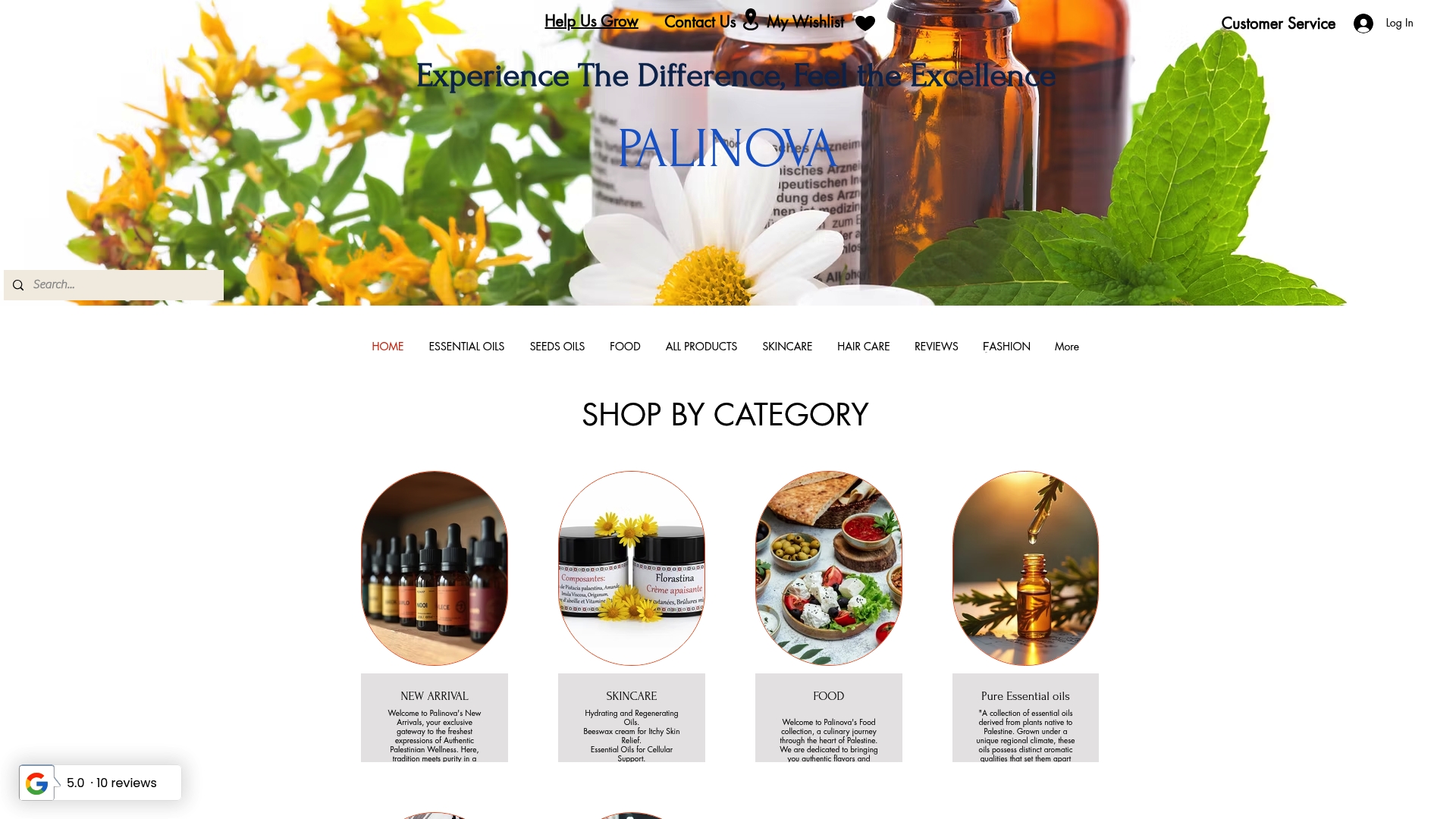
Palinova also carries complementary Palestinian skincare products including creams and ointments that pair well with the seed oil for barrier repair. If you want to compare seed oils, the Barbary Fig seed oil is another high-quality option from the same range.
New to botanical oils? Book a free aromatherapy consultation through the Palinova website. A specialist will help you match the oil to your skin type and routine before you buy. Visit the Pistacia palaestina seed oil product page to order or request a COA.
Sources
FAQ
What oil penetrates skin the deepest?
Oleic-dominant oils generally penetrate the stratum corneum more effectively than linoleic-dominant ones because oleic acid disrupts lipid bilayers in the skin barrier, allowing deeper absorption. Pistacia palaestina seed oil’s oleic-rich profile places it among the better-penetrating facial oils for dry and mature skin.
Is pistachio oil good for your face?
Yes, particularly for dry, mature, or barrier-compromised skin. Its measured tocopherol content and oleic-rich emollient profile help reduce TEWL and soften the stratum corneum; patch testing is recommended for anyone with tree-nut sensitivities.
What should you not mix with a rich facial oil like this one?
Avoid applying Pistacia palaestina seed oil immediately before or after high-dose retinoids or fresh chemical peels without dermatologic guidance. Layer it over water-based serums and humectants instead, and allow at least 20–30 minutes between strong actives and the oil.
What is the best oil for aging skin?
Oleic-dominant oils are generally preferred for aging skin because they soften the stratum corneum and support barrier repair. Pistacia palaestina seed oil, with alpha-tocopherol at approximately 80 mg/kg, offers both emollient and antioxidant benefits that address two of the primary concerns in mature skin: moisture loss and oxidative stress. Palinova’s health benefits guide covers additional use cases for this oil in detail.
Recommended

Comments