
Check Essential Oil Batch Differences with GC/MS in Five Minutes


Yes, the same essential oil can smell noticeably different from one batch to the next, and it’s rarely a defect. Natural variation comes from five overlapping sources: environmental chemistry and plant genetics, harvest timing, distillation parameters, storage and oxidation, and occasionally, adulteration. Most of these differences are proof the oil came from a living plant rather than a lab. A GC/MS lab report is the fastest way to tell authentic variability from a genuine quality problem.
TL;DR:
Essential oil scent variation primarily results from environmental factors, harvest timing, part of the plant used, and distillation methods, not necessarily quality issues.
Harvest timing and time of day significantly influence aroma profiles, with early or morning harvests often yielding brighter, fresher scents compared to later ones.
Distillation parameters like temperature and duration can alter the chemical composition and complexity of the final oil, affecting its scent profile.
Oxidation and improper storage, such as exposure to light and heat, can cause oils to lose brightness and develop muskier, less desirable notes over time.
Authenticity is best verified through batch-specific GC/MS lab reports outlining actual compound ratios, differentiating natural variation from adulteration.
Table of Contents
Why does the same essential oil smell different from one batch to another?
The short answer: plants aren’t static chemical formulas, and neither is the process that extracts their oils. Every essential oil is a cocktail of dozens to hundreds of aromatic compounds, and the ratio of those compounds shifts with soil, weather, harvest timing, and how the oil was pulled from the plant material. Change any one variable and you change the smell, sometimes subtly, sometimes dramatically.
That’s the deeper mechanism behind chemotypes. A chemotype is a plant that’s botanically identical to another of the same species, yet produces a different dominant chemistry because of where it grows. Thyme (Thymus vulgaris) is the textbook case. One field might yield a thymol chemotype with a sharp, medicinal edge, while a neighboring field produces a linalool chemotype that smells almost floral. Same species, same Latin name on the label, completely different bottle.
Soil mineral content, rainfall, altitude, and microclimate all feed into this. Plants under mild drought stress often concentrate more essential oil in their tissue as a defense response. Higher altitude plants get more UV exposure, which can push up certain terpene levels. None of this is random. It’s measurable, and increasingly, it’s being measured.
A 2025 study on harvest date and compound variation found that concentrations of specific aromatic compounds shifted by a significant percentage depending purely on when the plant was harvested, with no change to species, location, or method. That’s a wide enough swing to make a batch smell rounder, sharper, or greener than the last one, without anything being wrong.
Soil mineral composition changes precursor availability for aromatic compounds.
Rainfall and drought stress alter concentration, not just yield.
Altitude and UV exposure shift terpene ratios.
Microclimate (shade, wind, coastal proximity) affects volatile oil production.
If a supplier includes origin notes, harvest region, or growing conditions on the label, that’s not marketing filler. It’s the closest thing you’ll get to knowing why this batch smells a little different from the one before it.
How harvest timing and plant part change the scent
Harvest timing might be the single most underrated variable in essential oil production, and it operates on two timescales: which point in the growing season, and which hour of the day.
Lavender is the clearest example. Harvest it early, before the flowers fully open, and you get an oil higher in linalool, which reads as fresher and more herbaceous. Wait until the flowers mature fully, and linalyl acetate rises, giving a sweeter, rounder, more classically “lavender” note. Same field, same plant, different week, meaningfully different oil.
Clove bud oil shows just how extreme this can get. Depending on harvest stage and processing, eugenol content in clove bud oil varies widely depending on harvest and processing, with reported ranges documented between 36 percent and 95 percent. That’s not a rounding error. That’s the difference between a soft, background spice note and an oil so eugenol-heavy it can numb your tongue on contact.

Time of day matters too. Morning-harvested blossoms, picked before the heat of the day burns off their most volatile top notes, often smell brighter and fresher than the same flowers picked in late afternoon. This is why traditional harvesters in many regions still pick certain flowers, like jasmine, before sunrise.
A few practical questions worth asking a supplier:
What growth stage was the plant at when harvested?
Was harvesting done in early morning or later in the day?
Was the plant material used fresh, or dried before distillation?
Which part of the plant went into the still, flower, leaf, wood, or peel?
Fresh versus dried matters on its own. Dried lavender, for instance, tends to yield a higher ester content (more linalyl acetate) than lavender distilled fresh, because moisture loss during drying concentrates certain compounds relative to others.
How distillation and extraction methods reshape the final scent
The plant only gets you halfway there. What happens in the still or press determines which of those compounds actually end up in your bottle, and how much of each.
Steam distillation, the most common method for essential oils, works by passing steam through plant material to vaporize volatile compounds, then condensing that vapor back into liquid. It’s efficient, but it’s also somewhat blunt. Heat-sensitive esters and delicate top notes can degrade if the temperature runs too high or the process runs too long. CO2 extraction, by contrast, uses pressurized carbon dioxide at lower temperatures and tends to preserve a broader spectrum of compounds, including heavier, less volatile ones that steam distillation can miss entirely. Cold-pressing, used almost exclusively for citrus peels, skips heat altogether and captures a scent profile closer to the raw peel itself.
Distillation parameters, meaning temperature, pressure, duration, and even the equipment used, directly affect which volatile compounds get captured. A batch distilled ten degrees hotter, or run twenty minutes longer, can lose delicate esters and sesquiterpenes that a gentler run would have preserved. Two producers using identical raw material can end up with genuinely different oils just from equipment differences.
This is part of why lot blending exists as an industry practice. Rather than bottling each small distillation run separately, producers sometimes combine multiple lots to smooth out minor variation and deliver a more consistent product to buyers, without altering the oil’s natural composition.
Steam distillation: efficient, but can degrade heat-sensitive esters at high temperatures.
CO2 extraction: lower temperature, often captures a wider range of compounds.
Cold-pressing: used for citrus, preserves a raw, unheated scent profile.
Small changes in temperature or duration can measurably shift the final aroma.
Pro Tip: If a batch smells “flatter” or less complex than a previous one, ask whether the distillation run was longer or hotter than usual. Extended heat exposure is one of the most common, and most overlooked, causes of muted top notes.
Does storage and oxidation change how essential oils smell?
Yes, and this is the variable most consumers never think to check. Essential oils are chemically alive after bottling. Light, heat, and oxygen keep reacting with their compounds long after distillation ends.
Citrus oils show this most clearly. Limonene, the dominant compound in citrus oils, oxidizes over time into heavier compounds like carveol and carvone, turning a bright, zesty scent into something flatter, muskier, occasionally almost turpentine-like. That same oxidation process also raises the oil’s skin sensitization risk, which is why aged citrus oils deserve extra caution in skincare use.
Storage habits accelerate or slow this down:
Store in dark amber or cobalt glass, never clear bottles.
Keep oils in a cool, temperature-stable space, away from windows or heaters.
Buy smaller bottles you’ll use up quickly rather than large ones that sit half-empty for months.
Minimize headspace. The more air sitting above the oil, the faster oxidation proceeds.
A simple check: smell a fresh bottle next to one that’s six months old and been opened repeatedly. If the older one smells sharper, muskier, or less bright, that’s oxidation, not a manufacturing inconsistency.
How to tell natural variation from adulteration
This is the question that actually matters for your wallet: is this batch different because nature made it different, or because someone cut corners?
Adulteration usually shows up as synthetic isolates blended into natural oil to stretch volume, or a cheaper oil substituted in whole or in part. Sensory red flags include a scent that’s suspiciously sweet or perfectly uniform, a sharp synthetic edge in the top notes, or a batch that smells identical to every other batch that brand has ever sold, which, given everything above, should raise an eyebrow rather than build confidence.
The real verification tool is GC/MS testing, gas chromatography mass spectrometry, which separates an oil into its individual compounds and measures the percentage of each. A certificate of analysis (COA) built on GC/MS data lets you compare the actual chemical fingerprint of your bottle against published natural ranges for that species. Natural chemotype variation shows up as compounds shifting within known biological ranges. Adulteration shows up as compounds that shouldn’t be there at all, or ratios that fall outside anything a real plant produces.
Ask for a batch-specific COA, not a generic one for the product line.
Confirm the COA’s harvest date lines up with the bottle you’re holding.
Check whether the botanical name and chemotype are stated explicitly.
Ask whether the report includes GC/MS data or just a general purity statement.
A COA without GC/MS backing is a claim. A COA with GC/MS backing is evidence.
Our approach to verifying batch consistency
Palinova treats batch variation as something to document, not hide. The GC/MS first-buyer checklist walks new buyers through exactly what a lab report should contain and how to read it in under five minutes, so you’re not guessing at chemistry you’ve never studied.
On the growing side, harvest season and hour shape final oil chemistry more than most buyers realize, and Palinova’s growers follow a structured plan covering harvest timing, drying protocols, and distillation consistency to keep desirable compounds stable season over season.
If a batch smells different from previous ones, useful questions include:
What was the harvest date on this batch versus the last one?
Were the distillation parameters (temperature, duration) the same?
Is a current COA available for this exact lot?
Asking these questions of any supplier provides insight beyond a side-by-side sniff test.
Variability isn’t a flaw, it’s the point
People want their essential oils to smell exactly the same every time, and I understand the instinct. Consistency feels like quality. But that expectation comes from decades of synthetic fragrance, where a factory can replicate an identical molecule on command. Plants don’t work that way, and honestly, that’s the appeal.
A thyme oil that shifts slightly with the season isn’t underperforming. It’s behaving like a plant. The real safeguard isn’t demanding false uniformity, it’s demanding transparency: harvest dates, distillation notes, and a GC/MS report you can actually read. If you are unsure what a batch’s chemistry should look like, a free aromatherapy consultation can provide guidance for that conversation.
— abdelmuhsen
Where to find lab-verified, traceable oils
Some suppliers source oils from growers who document harvest conditions rather than hiding them, so what you smell in the bottle may have a paper trail behind it. This transparency is an advantage over guessing based on a label alone: it provides harvest notes and batch traceability beyond marketing claims of purity.
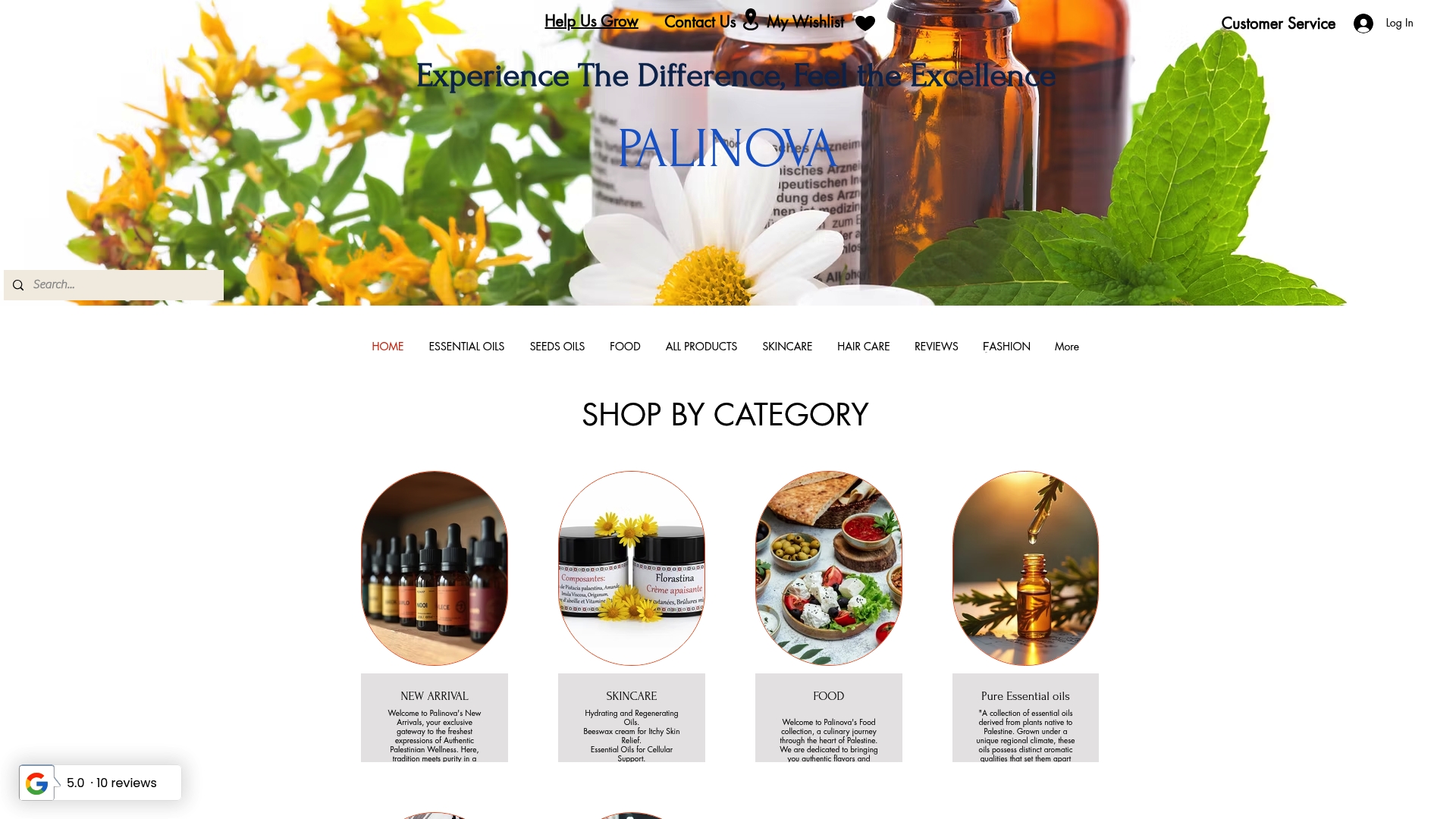
Browse the current collection of essential oils and seed oils to see traceable, single-origin options like the Achillea Fragrantissima essential oil, sourced from a specific growing region rather than blended across unknown lots. If a batch ever smells different from what you expected, Palinova’s free aromatherapy consultation gives you a direct line to ask about that specific lot’s harvest date and distillation notes before you buy again. Start by checking the current collection and requesting your consultation today.
Sources
FAQ
How do you know if an essential oil is good quality?
Check for a batch-specific certificate of analysis backed by GC/MS testing, which shows the actual compound breakdown against known natural ranges for that plant species. Palinova’s GC/MS first-buyer checklist walks through exactly what to look for in under five minutes.
Are there any essential oils that should not be used together?
Some oils are high in compounds like eugenol or cinnamaldehyde, which can compound skin irritation risk when combined with other strong oils in a single blend. A free aromatherapy consultation is the safest way to check compatibility before mixing anything for skin application.
What should I avoid when buying essential oils?
Avoid products that never disclose a harvest date, growing region, or lab report, since that’s often where adulteration hides. Also be cautious of a scent that seems suspiciously uniform across every batch a brand sells, given how much natural variation this article covers.
Which brand of essential oils is considered the best?
There’s no single universal “best,” since quality depends on traceability, harvest documentation, and lab verification rather than brand reputation alone. Some suppliers focus on oils sourced with batch traceability and harvest notes, which gives buyers the transparency needed to judge quality themselves rather than take a label’s word for it.
Recommended


Comments